
手榴弹

Search documents
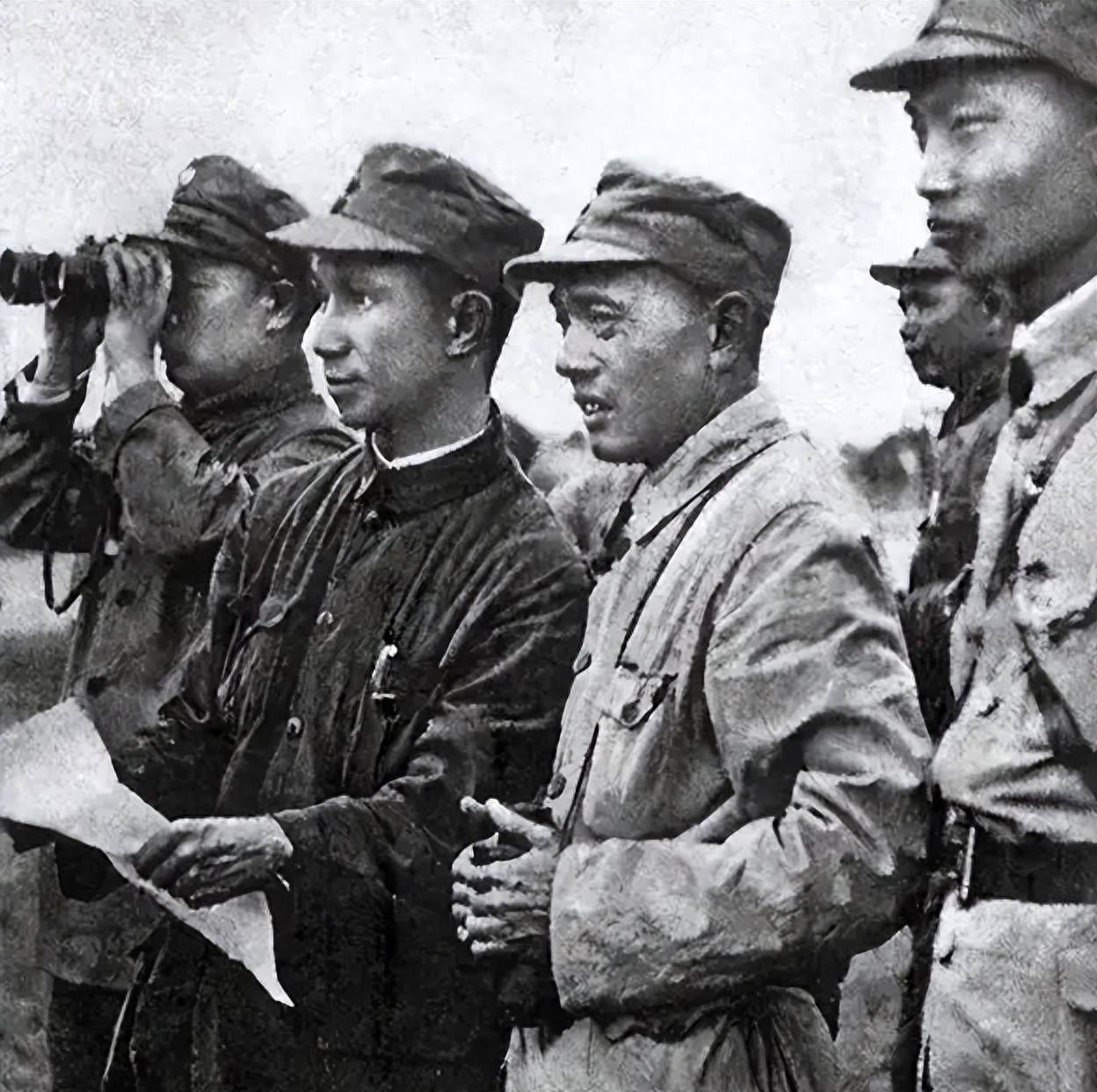
新四军兵工厂造炮弹缺原料,敌人就给送过来了,怎么回事?
Sou Hu Cai Jing· 2026-01-30 01:03
Core Viewpoint - The New Fourth Army, during the Anti-Japanese War, expanded its forces and conducted operations against the enemy in southern regions, with a focus on military production and self-sufficiency in weaponry [1][3]. Group 1: Military Organization and Production - The New Fourth Army was organized into seven divisions after 1941, with notable leaders like Su Yu, who was the commander of the first division [1]. - The first division established a military industrial department responsible for producing ammunition and repairing damaged weapons [3][5]. - Initially, the military industrial department had only about thirty workers and faced challenges in production due to a lack of equipment and resources [6][7]. Group 2: Resource Acquisition and Technical Development - The military industrial department utilized its proximity to Shanghai to procure essential machinery and materials through underground channels, including seamless steel pipes and various tools [8][10]. - The department also acquired technical books to enhance the skills of its personnel, which included a group of college graduates [10]. - Despite advancements in technology, the department faced significant challenges in sourcing raw materials, particularly modern explosives for ammunition [12]. Group 3: Unexpected Resource Gains - The situation changed when Japanese mines, which were poorly constructed, began to drift ashore due to broken anchor lines, leading to the discovery of these mines by local authorities [15][17]. - The military industrial department managed to recover over 2,000 kilograms of explosive material from the mines, which could be used to produce over 4,000 mortar shells [18]. - This unexpected acquisition of resources significantly alleviated the department's challenges in ammunition production, showcasing a serendipitous turn of events [19].

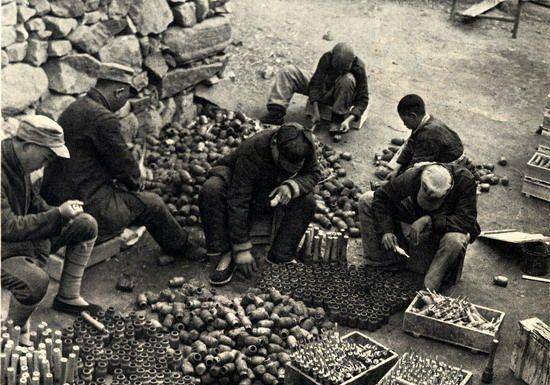
新四军的第一批手榴弹是如何研制出来的?过程实在艰辛!
Sou Hu Cai Jing· 2025-05-08 12:06
Core Points - The article narrates the story of Wu Wenyu, a young mechanic who became a key figure in the New Fourth Army's efforts to produce hand grenades during a time of severe supply shortages [1][3][5] Group 1: Background and Initial Challenges - Wu Wenyu joined the New Fourth Army as a mechanic but had no prior experience with military equipment, particularly explosives [1][3] - Following the Wanan Incident, the army faced a complete halt in supplies, prompting the need for self-sufficiency in weaponry, particularly hand grenades [3][5] Group 2: Establishment of the Hand Grenade Factory - Wu Wenyu was appointed as the director of the hand grenade factory despite his lack of knowledge about explosives, motivated by the need to overcome difficulties [5][8] - The factory was established in a guerrilla warfare environment, utilizing temporary locations and local resources to set up operations [5][8] Group 3: Production Process and Success - The first batch of hand grenades was developed by disassembling existing grenades to understand their structure and creating specialized workshops for different components [7][8] - The initial production faced challenges, including worker retention due to low wages, but eventually led to the successful creation of 50 grenades, which were later improved for better explosive effectiveness [8][10] - The successful testing of the hand grenades was met with praise from army leadership, highlighting the innovative efforts of Wu Wenyu and his team [10]
德国军工企业莱茵金属:公司正经历着前所未有的增长
news flash· 2025-05-08 08:58
Core Viewpoint - Rheinmetall, Europe's largest ammunition manufacturer, is experiencing unprecedented growth due to increased demand from Germany, Ukraine, and other European countries, with expectations to exceed 2025 performance guidance [1] Group 1: Company Performance - The company confirmed a sales growth forecast of at least 25%-30% for 2025, with an operating profit margin of approximately 15.5%, up from 15.2% last year [1] - Rheinmetall's stock price has risen by 1.6% and has accumulated a 170% increase year-to-date, with a market capitalization of €75 billion (approximately $85 billion), surpassing that of Volkswagen [1] Group 2: Industry Context - The rise in defense stocks across Europe is attributed to increased military spending in response to U.S. pressure and the ongoing Russia-Ukraine conflict [1] - CEO Armin Papperger stated that the company is moving closer to its goal of becoming a global defense champion, with customers purchasing all products from the factory [1]