军工制造

Search documents
创业板指半日跌超1% ,煤炭板块逆势爆发,中煤能源创18年新高丨A股早盘
Mei Ri Jing Ji Xin Wen· 2026-03-12 04:08
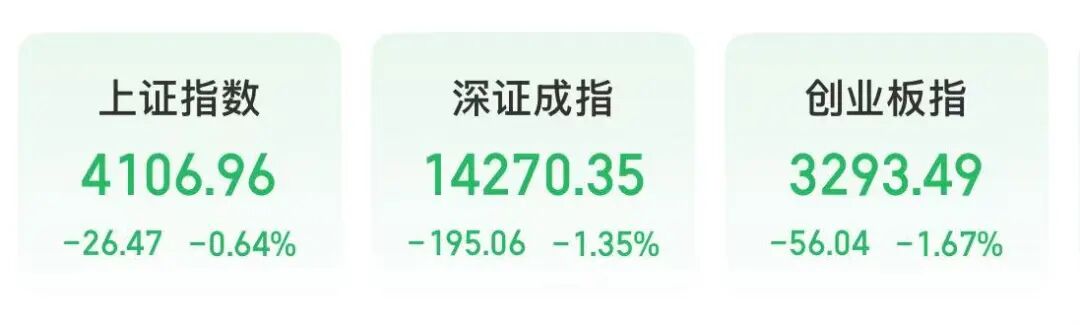
Market Overview - The market experienced fluctuations with the Shanghai Composite Index turning negative, while the ChiNext and Shenzhen Composite Index both fell over 1% [1] - The total trading volume in the Shanghai and Shenzhen markets was 1.59 trillion, a decrease of 738 billion compared to the previous trading day [1] - Nearly 4,200 stocks in the market declined, with the Shanghai Composite Index down 0.64%, the Shenzhen Composite Index down 1.35%, and the ChiNext Index down 1.67% [1] Coal Sector Performance - The coal sector saw significant gains, with China Coal Energy hitting the daily limit and reaching its highest level since February 2008 [3] - Zhengzhou Coal Electricity and other leading stocks in the coal sector also experienced substantial increases, with Zhengzhou Coal Electricity closing at 5.14, up 10.06% [4] - Other notable performers included Shanxi Black Cat and Lu'an Environmental Energy, which rose by 7.87% and 6.47% respectively [5] Energy Sector Highlights - The energy sector showed strong performance, with companies like Guanghui Energy and New Natural Gas seeing increases of 8.25% and 7.52% respectively [7] - Green Power and Energy Saving Wind Power also achieved significant gains, with Green Power closing at 12.51, up 10.03% [8] Declines in Military Sector - The military sector faced declines, with companies such as Hangya Technology and West Superconducting experiencing notable drops of 7.74% and 5.92% respectively [10] - Other companies in the military sector, including Aerospace Technology and Aerospace Hongtu, also reported losses, indicating a broader trend of weakness in this industry [10]


普京与伊朗总统通电话!特朗普称和美军工企业开会:将“精良级”武器产量“翻两番”!霍尔木兹海峡,再传大消息
证券时报· 2026-03-07 02:11
Group 1 - Russian President Putin and Iranian President Pezeshkian discussed the situation in Iran, expressing condolences for the casualties caused by U.S. and Israeli attacks [2][3] - Putin reiterated Russia's stance on the need to cease military actions and return to political and diplomatic solutions in the Middle East [2] - The two leaders agreed to maintain communication through various channels to address ongoing conflicts [4] Group 2 - Iraqi Prime Minister Sudani emphasized the need for international cooperation to halt military actions in the region during a call with French President Macron [5] - Macron stressed the importance of joint actions between France and the Iraqi government to prevent the escalation of war [6] - The Iranian military confirmed it would not close the Strait of Hormuz, asserting control over it while allowing safe passage for non-U.S. and non-Israeli vessels [6] Group 3 - The International Maritime Organization reported that recent attacks in the Strait of Hormuz resulted in casualties among seafarers, highlighting the increasing safety risks in the region [7] - U.S. President Trump announced a successful meeting with major defense manufacturers to discuss increasing the production of advanced weaponry, aiming to quadruple output [7] - Companies involved in the meeting included BAE Systems, Boeing, Honeywell Aerospace, L3 Harris Technologies, Lockheed Martin, Northrop Grumman, and Raytheon [7]



美股暴跌!特朗普宣称“与伊朗不会达成任何协议”,军工企业同意将“精良级”武器产量“翻两番”!
美股IPO· 2026-03-07 01:59
Core Viewpoint - The article discusses the escalating military conflict between the U.S. and Iran, highlighting the U.S. government's stance on Iran's military capabilities and the implications for oil prices and regional security [1][3][7]. Group 1: U.S. Military and Energy Policy - U.S. Energy Secretary stated that U.S. Navy will escort ships through the Strait of Hormuz only after significantly reducing Iran's military capabilities [6][7]. - The current spike in oil prices is characterized as a temporary disruption, with measures taken to help lower gasoline prices [7]. - The U.S. government allowed India to purchase Russian oil as a temporary measure to prevent supply disruptions during the conflict, indicating no shift in policy towards Russia [7]. Group 2: Iran's Military Response - Iran claims that the U.S. military's rapid response plan has failed and is preparing for a prolonged conflict, indicating the potential use of advanced long-range missiles in upcoming attacks [8][9]. - Iranian military officials reported significant casualties among Iranian forces due to ongoing U.S. and Israeli strikes, with a total of 1,332 Iranian deaths reported [4][9]. - Iran's military operations have included the destruction of U.S. missile defense systems in the region, showcasing their military capabilities [8][9]. Group 3: International Reactions and Diplomatic Efforts - European leaders are emphasizing the importance of diplomatic solutions while also increasing military coordination in response to the conflict [15][16]. - The U.S. and its allies are preparing for potential retaliatory actions from Iran, with discussions on military options ongoing [15][16]. - Reports indicate that some countries in the Gulf region are facing shortages of interceptive munitions due to the ongoing conflict [13][14].

美股三大期指全线跳水;科技巨头普跌,英伟达、谷歌跌超3%;军工股集体走强,石油股多数上涨,美国能源上涨18.26%【美股盘前】
Mei Ri Jing Ji Xin Wen· 2026-03-03 11:15
Market Overview - Major stock index futures declined, with Dow futures down 1.14%, S&P 500 futures down 1.50%, and Nasdaq futures down 1.96% [1] Energy Sector - Oil stocks saw a pre-market increase, with U.S. energy stocks rising over 18%. Notable increases included Exxon Mobil up 2.00%, Chevron up 1.56%, and ConocoPhillips up 2.49%. WTI crude oil futures rose 5.19% to $74.97 per barrel [1] Defense Sector - Defense stocks collectively strengthened in pre-market trading, with Lockheed Martin up 1.56% and Raytheon Technologies up 0.82% [1] Airline Sector - Airline stocks experienced a pre-market decline, with American Airlines down 3.12%, Delta Air Lines down 3.05%, and United Airlines down 2.91% [1] Memory Stocks - Memory stocks faced a pre-market downturn, with Micron Technology down 6.15%, Western Digital down 5.04%, and Seagate down 4.80% [2] Technology Sector - Star technology stocks also saw a decline, with Nvidia and Google down over 3%, AMD down 3.71%, and Microsoft down 1.70% [3] - Palantir Technologies experienced a drop of 3.46% after co-founder Peter Thiel announced plans to sell up to 2 million shares worth $280 million [3] Precious Metals Sector - Precious metals stocks fell in pre-market trading, with Hecla Mining down 6.21%, Newmont Gold down 3.53%, and Pan American Silver down 4.6%. Spot gold prices decreased by 1.11% to $5260 per ounce, while spot silver prices fell by 6.04% to $83.96 per ounce [3] Corporate Debt Rating - Paramount Global's debt rating was downgraded to junk status (BB+) by Fitch Ratings following its acquisition of Warner Bros, which resulted in a net debt of $79 billion for the combined company. Paramount's stock fell by 5.55% [4]


光大期货金融期货日报-20260303
Guang Da Qi Huo· 2026-03-03 03:49
1. Report Industry Investment Rating - Not mentioned in the provided content 2. Core Views of the Report - **Stock Index**: The A-share market opened low and rebounded, with the three major indices showing mixed performance. Oil and gas stocks, precious metals, and the military industry were strong, while the photovoltaic sector declined. The valuation of A-share technology themes is slightly higher than that of the US stocks, and the A-share technology index has diverged from the overseas China-themed technology index. The recent appreciation of the RMB is mainly driven by current account settlements, and the central bank's reduction of the forward foreign exchange purchase risk reserve is conducive to releasing forward foreign exchange purchase demand [1]. - **Treasury Bonds**: Treasury bond futures closed higher. The bond market has shown a recovery under multiple factors, but the "odds of going long" are insufficient after the 10-year Treasury bond yield fell below 1.8%. In the context of weak interest rate cut expectations, the bond market lacks the driving force for a trend breakthrough, and the short - term focus is on the policy tone of the Two Sessions [3]. 3. Summary by Related Catalogs Research Views - **Stock Index**: The market opened low and rebounded. Oil and gas, precious metals, and military stocks were strong, while the photovoltaic sector declined. The valuation of A - share technology themes is high, and there is a significant divergence between A - shares and US stocks. The RMB has appreciated, and the central bank's policy adjustment is conducive to balancing forward exchange rate expectations [1]. - **Treasury Bonds**: Treasury bond futures closed higher. The central bank conducted 190 billion yuan of 7 - day reverse repurchase operations, achieving a net injection. The money market rates declined. The bond market is in a repair phase, but lacks the driving force for a trend breakthrough [3]. Daily Price Changes - **Stock Index Futures**: IH rose 0.01%, IF fell 0.06%, IC fell 0.21%, and IM fell 1.26% [4]. - **Stock Indexes**: The Shanghai Composite 50 rose 0.23%, the CSI 300 rose 0.38%, the CSI 500 was flat, and the CSI 1000 fell 0.98% [4]. - **Treasury Bond Futures**: TS rose 0.01%, TF rose 0.07%, T rose 0.12%, and TL rose 0.60% [4]. Market News - The A - share market opened low and rebounded. Oil and gas, precious metals, and military stocks were strong, while the photovoltaic sector declined. The Shanghai Composite Index rose 0.47%, the Shenzhen Component Index fell 0.2%, and the ChiNext Index fell 0.49%. There were 1103 rising stocks, 93 limit - up stocks, 4026 falling stocks, 20 limit - down stocks, and a 24% limit - up break rate [5]. Chart Analysis - **Stock Index Futures**: The report provides the trend charts of IH, IF, IM, IC, and their basis trends [7][8][10]. - **Treasury Bond Futures**: The report shows the trend charts of Treasury bond futures, Treasury bond yields, basis, inter - period spreads, cross - variety spreads, and money market rates [13][15][17][20]. - **Exchange Rates**: The report presents the exchange rate trend charts of the US dollar against the RMB, the euro against the RMB, and other currency pairs, as well as the US dollar index [22][26][27].
地缘风波升温-哪些资产受益
2026-03-01 17:22
Summary of Key Points from Conference Call Records Industry or Company Involved - The discussion primarily revolves around the geopolitical landscape affecting international relations, particularly between the U.S. and China, and its implications for various asset classes, including equities and commodities. Core Insights and Arguments 1. **Geopolitical Adjustments**: There is a systematic increase in diplomatic engagement between Western developed countries and China, indicating a potential stabilization in international relations over the next month, which supports a relatively optimistic outlook for equity assets [1][2][3]. 2. **U.S.-China Trade Relations**: The potential for a temporary easing of tariffs and export controls on semiconductors is noted, but long-term agreements remain uncertain due to political pressures and ongoing investigations [1][3][4]. 3. **Tariff Changes**: Following a Supreme Court ruling against "emergency tariffs," the average effective tariff rate in the U.S. is expected to decrease from 16.9% to approximately 9%, which could improve profit expectations for export-oriented companies [5][6]. 4. **Baseline Scenario for Trade**: The baseline scenario suggests that U.S. tariffs on China will stabilize between 20% and 25%, with China's exports to the U.S. remaining around 10% [6][7]. 5. **Agricultural Purchases**: China is expected to purchase around 12 million tons of U.S. soybeans, aligning with previous agreements, which is crucial for U.S. farmers facing declining profits [7]. 6. **Iran Conflict Risks**: The potential for military conflict with Iran remains high, which could influence market pricing but is not expected to significantly impact A-share risk preferences [8][9]. 7. **Oil and Gold Prices**: Geopolitical tensions may lead to short-term increases in oil and gold prices, but long-term trends will depend on fundamental economic conditions [9][10]. 8. **Market Reactions to Geopolitical Events**: Historical patterns indicate that A-share performance is influenced by geopolitical events, with sectors like military, finance, and energy likely to benefit during conflicts [18][19][20]. Other Important but Possibly Overlooked Content 1. **Energy Supply Dynamics**: The ongoing imbalance in oil supply and demand, particularly in the context of potential military actions in the Middle East, could lead to increased oil prices, but also presents short-selling opportunities [9][11]. 2. **Long-term Economic Implications**: The long-term trajectory of oil prices will be determined by economic fundamentals rather than short-term geopolitical events [10][12]. 3. **Investment Strategies**: The current market environment suggests that any corrections in equity markets due to geopolitical tensions could present buying opportunities, particularly for resilient sectors like A-shares compared to Hong Kong stocks [10][17]. 4. **Historical Context**: The analysis draws parallels with past geopolitical conflicts, indicating that while immediate reactions may be volatile, the overall market trend tends to recover post-conflict [18][19][20]. 5. **Sector Rotation**: The anticipated sector rotation in response to geopolitical events suggests that defensive sectors may outperform during initial conflict phases, while growth sectors may rebound as stability returns [19][21]. This summary encapsulates the key insights and arguments presented in the conference call records, highlighting the implications for various sectors and the overall market outlook in light of geopolitical developments.
出大事了!中东开战,这类股要大涨了!
摩尔投研精选· 2026-02-28 09:37
Group 1: Core Insights - The conflict between Israel and Iran has escalated, leading to military actions that could significantly impact global oil supply and prices [2][3] - The Middle East is a crucial oil production region, with the Strait of Hormuz being a key transit route for oil, accounting for 20% of global oil supply [4] - An increase in oil prices is expected to benefit upstream oil and gas companies, as well as oil service and shipping firms due to rising capital expenditures and shipping costs [4] Group 2: Beneficiary Industries - Energy, oil service, and shipping sectors are the most directly impacted, with companies like China National Offshore Oil Corporation (CNOOC) and China Petroleum benefiting from rising oil prices [6][7] - Military and defense industries are likely to see increased demand for drones, missiles, and defense systems due to heightened geopolitical tensions [5][6] - Chemical sectors, particularly those reliant on methanol and ethylene glycol exports from Iran, may benefit from supply constraints, leading to increased domestic demand [5][8]
钟声:以实际行动阻击日本“再军事化”狂飙
Xin Lang Cai Jing· 2026-02-28 02:43
Group 1 - Japan's re-militarization and nuclear ambitions pose a serious threat to regional security and stability, prompting China to implement export control measures on entities contributing to Japan's military capabilities [1][4] - The Chinese Ministry of Commerce has listed 20 entities involved in enhancing Japan's military strength under export control, aiming to safeguard national security and fulfill international non-proliferation obligations [2][3] - Japan's defense spending has increased for 14 consecutive years, with a significant doubling in the last three years, leading to a military-industrial complex that benefits companies like Mitsubishi Heavy Industries and IHI Corporation, whose stock prices have surged dramatically [3] Group 2 - Japan's right-wing politicians are increasingly advocating for nuclear armament, seeking to amend the long-standing "Three Non-Nuclear Principles," while Japan has stockpiled 44.4 tons of separated plutonium, indicating its capability to produce weapon-grade materials [4] - The current Japanese administration is prioritizing defense spending and plans to establish a "National Intelligence Agency," which will further intertwine military expenditure with specific industrial interests, creating a self-reinforcing policy loop [3][4] - The international community views Japan's nuclear ambitions as a destabilizing factor in Southeast Asia, emphasizing the need for reduced arms races and conflict risks to maintain regional stability [4][5]
以实际行动阻击日本“再军事化”狂飙(钟声)
Ren Min Ri Bao· 2026-02-27 23:07
Group 1 - The core viewpoint of the articles is that Japan's "remilitarization" and nuclear ambitions pose a serious threat to regional security and stability, necessitating actions to counteract these developments [1][4][5] - China has implemented export control measures on 20 entities involved in enhancing Japan's military capabilities, aiming to safeguard national security and fulfill international non-proliferation obligations [1][2] - Japan's defense spending has increased significantly, with a doubling of the budget projected within three years, indicating a shift towards a more aggressive military posture [3] Group 2 - Japanese companies such as Mitsubishi Heavy Industries and IHI Corporation are heavily involved in the defense industry, producing military equipment that threatens regional peace [2][3] - The stock prices of major Japanese defense contractors have surged dramatically, with Mitsubishi Heavy Industries seeing an increase of over 650% since November 2022, highlighting the financial implications of Japan's military expansion [3] - Japan's political leadership under Prime Minister Kishi has prioritized military readiness, proposing measures such as large-scale bond issuance and a special defense tax to support military funding [3]
国际锐评丨中方精准反击日本“再军事化”符合全球利益
Xin Lang Cai Jing· 2026-02-27 13:20
Core Viewpoint - China has announced the inclusion of 20 Japanese entities in an export control list as a response to Japan's military expansion and nuclear ambitions, aiming to maintain regional and global peace [1][4]. Group 1: Export Control Measures - The Chinese Ministry of Commerce has implemented export controls on 20 Japanese entities, following a previous announcement to strengthen controls on dual-use items [1]. - This action is seen as a legitimate and necessary measure to cut off resources supporting Japan's military expansion [3][6]. Group 2: Japanese Military Industrial Complex - Companies like Mitsubishi Heavy Industries and Kawasaki Heavy Industries are identified as key players in Japan's military resurgence, with historical ties to wartime weapon manufacturing [3]. - These companies are projected to achieve a total sales revenue of $13.3 billion in 2024, marking a 40% increase from the previous year [3]. Group 3: Political Context and Military Budget - The current Japanese government, led by the Liberal Democratic Party, is pushing for significant military budget increases, with plans to raise the defense budget to ¥9.04 trillion (approximately $57.9 billion) by 2026 [4]. - Japan is also seeking to amend its constitution to allow for a more aggressive military posture, including the potential export of weapons to 12 countries [4]. Group 4: Historical and International Implications - The resurgence of militarism in Japan is viewed as a threat to regional stability, echoing pre-World War II dynamics between military and industrial sectors [6]. - China's export control measures are framed as a responsible action to prevent the revival of militarism and to uphold international norms established post-World War II [7].