护全家益生菌系列

Search documents
养生咖啡与助眠贴火了!科技成果转化的“爆款”密码与破局之道
第一财经· 2025-09-29 07:58
Core Viewpoint - The article discusses the challenges and opportunities in the commercialization of scientific research outcomes in China, emphasizing the importance of collaboration between research institutions and enterprises to successfully bring products to market [3][12][17]. Group 1: Market Entry and Consumer Recognition - The launch of the "Baobei Yiqian" infant skincare series through an online live broadcast indicates a growing trend in consumer engagement and education in the beauty and health sector [2]. - Achieving consumer recognition is crucial for new brands, as many scientific research outcomes struggle to gain market traction despite favorable policies [3][12]. - The need for effective mechanisms to bridge the gap between scientific research and market commercialization is highlighted, with a focus on the "last mile" of product delivery [3][8]. Group 2: Collaboration and Product Development - The development of a probiotic series by a company in collaboration with the Chinese Academy of Sciences showcases the importance of joint research efforts in validating product efficacy [5][7]. - Successful commercialization requires ongoing collaboration between research institutions and enterprises, including support in funding, intellectual property, and marketing strategies [8][12]. - The role of technical managers is emphasized as essential in navigating the complexities of product development and market entry [11][12]. Group 3: Consumer Trends and Preferences - Products with traditional Chinese medicine characteristics, such as herbal teas and health drinks, are gaining popularity among consumers, indicating a shift towards natural and holistic health solutions [10][11]. - The "Bihuo Yuhuo" cold brew drink, which offers health benefits, exemplifies the market's interest in innovative health products derived from traditional practices [11]. Group 4: Regulatory Environment and Challenges - The article notes the strict regulations surrounding the advertising of medical and health products in China, which poses challenges for companies in promoting their offerings [14][16]. - The emergence of counterfeit products in the market highlights the need for robust brand protection and consumer education to maintain product integrity [16][18]. Group 5: Future Directions and Strategies - Companies are encouraged to establish group standards and engage in knowledge sharing to enhance consumer trust and product credibility [17]. - The establishment of health science alliances and innovative marketing strategies are suggested as ways to improve consumer awareness and product acceptance [17][18].


养生咖啡与助眠贴火了!科技成果转化的“爆款”密码与破局之道
Di Yi Cai Jing· 2025-09-28 14:16
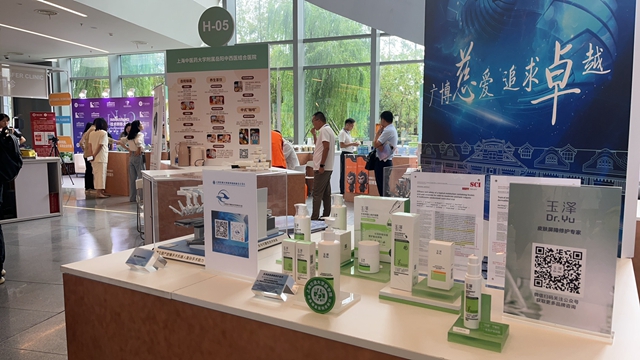
Core Insights - The collaboration model between medical institutions, research institutes, and enterprises is evolving towards a tighter integration aimed at benefiting more patients and audiences [1][3][9] - The transformation of scientific research results into marketable products faces challenges, particularly in achieving consumer recognition and navigating the commercialization process [1][5][12] Industry Trends - There is a growing trend of cooperation between enterprises and research institutions, with successful examples including the development of probiotic products in collaboration with the Chinese Academy of Sciences [3][5] - The market is seeing an increase in health products with traditional Chinese medicine characteristics, such as herbal teas and wellness drinks, which are gaining popularity among consumers [8][12] Challenges in Commercialization - A significant challenge in the commercialization of scientific achievements is identifying reliable partners for product launch and navigating the regulatory landscape [8][9] - The need for comprehensive support throughout the project lifecycle, including funding, intellectual property management, and marketing strategies, is critical for successful product launch [6][10] Successful Case Studies - The successful commercialization of products like the "Chunyu" vitamin E cream illustrates the potential of the "industry-university-research" model, despite facing issues like market saturation and counterfeit products [12][13] - Initiatives like the "Transformation Market" at the Global Technology Transfer Conference aim to connect scientific products with end consumers, enhancing market opportunities for research outcomes [13]