指脉氧仪

Search documents
女子突发心跳骤停 长款美甲阻碍抢救
Xin Lang Cai Jing· 2026-02-26 23:52
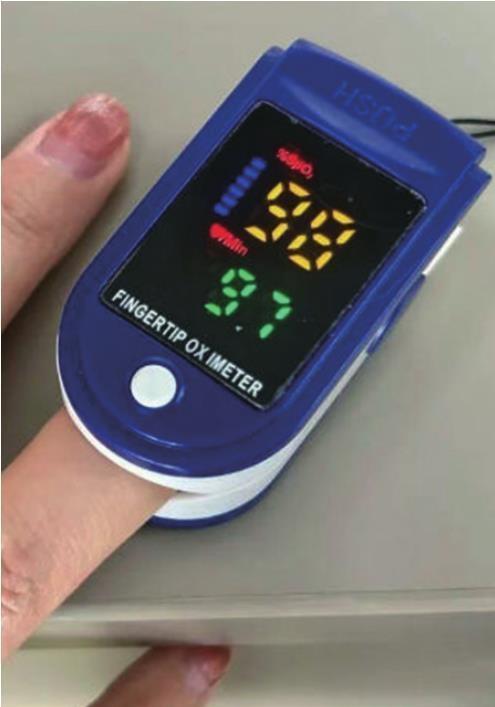
Core Viewpoint - The incident highlights the potential health risks associated with elaborate nail designs, particularly in emergency medical situations, where traditional pulse oximeters may fail to provide accurate readings due to interference from nail enhancements [4][5]. Group 1: Medical Emergency Response - A woman named Lili suffered from fulminant myocarditis and was in critical condition, requiring immediate medical intervention including intubation and ECMO treatment [4]. - During the emergency, medical staff faced challenges in monitoring Lili's blood oxygen levels due to her long, embellished nails, which obstructed the pulse oximeter's functionality [4][5]. - A professional nail technician was urgently called to the hospital to remove the nail enhancements, allowing for accurate monitoring and subsequent adjustments to the treatment plan [4][5]. Group 2: Health Implications of Nail Enhancements - Medical professionals emphasize the importance of being able to monitor blood oxygen saturation, especially in critical situations, as it is vital for assessing a patient's health status [5]. - A physician advised individuals who frequently get manicures to leave at least one finger unadorned or to use removable nail enhancements to ensure that medical assessments can be conducted without obstruction [5]. - The use of ear clip-style pulse oximeters has been noted as a beneficial alternative for measuring blood oxygen levels in patients with nail enhancements, as they are less affected by external factors [6].

慢阻肺患者这样过冬
Xin Lang Cai Jing· 2025-12-22 18:17
Core Viewpoint - The article emphasizes the challenges faced by chronic obstructive pulmonary disease (COPD) patients during winter, particularly the "Nine Cold Days" period, and outlines strategies for effective self-management to navigate this season safely [2][3]. Group 1: Winter Challenges for COPD Patients - COPD patients account for over 30% of hospitalizations due to acute exacerbations of respiratory diseases in winter [2] - Cold air can trigger bronchospasm and increase respiratory resistance, while viruses and air pollution are more prevalent during this season [2] Group 2: Treatment Strategies - The latest treatment approach recommends early use of dual bronchodilators (LAMA+LABA) and triple therapy with inhaled steroids for patients with a history of exacerbations [3] - Patients should carry rescue medications but should seek medical advice if they need to use them more than twice a week, indicating insufficient maintenance therapy [3] Group 3: Immunization and Oxygen Therapy - Vaccination is crucial for preventing infections that can lead to acute exacerbations, with recommendations for flu, pneumococcal, shingles, and Tdap vaccines [4] - Long-term home oxygen therapy is essential for patients with chronic respiratory failure, and it should be used during daily activities to improve overall function [4] Group 4: Recognizing Early Signs of Exacerbation - Patients should learn to identify early signs of exacerbation, such as increased cough, sputum changes, and difficulty breathing, and monitor objective indicators like oxygen saturation [5][6] - Immediate action is advised if any signs of exacerbation occur, as timely intervention is critical for preserving lung function [6] Group 5: Lifestyle and Emotional Well-being - Keeping warm and wearing masks outdoors are essential for respiratory protection, along with maintaining a suitable indoor environment [7] - Emotional health is also important; social interactions and seeking professional help for persistent anxiety or depression can enhance treatment adherence and overall well-being [8]