新疆旅游体验

Search documents
大美新疆今更美
Ren Min Ri Bao Hai Wai Ban· 2025-08-26 01:12
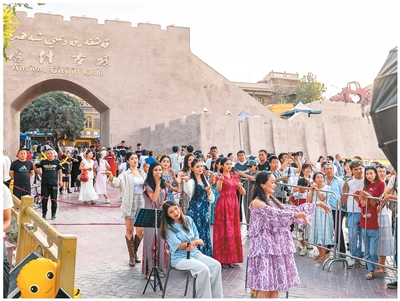
Core Insights - Xinjiang has become a popular tourist destination, attracting over 130 million visitors in the first half of the year, showcasing its rich cultural and natural resources [17]. Group 1: Tourism Development - The integration of culture and tourism in Xinjiang is emphasized, with various tourism performances and cultural resources being actively showcased to visitors [17]. - Diverse tourism experiences are being promoted, including self-driving tours, ice and snow tourism, cross-border travel, and rural tourism, expanding the scope of what a visit to Xinjiang entails [17]. Group 2: Cultural Significance - Tourism serves as a vital link among different ethnic groups, fostering cultural exchange and economic interdependence, and highlighting the harmonious coexistence of diverse cultures in the region [17]. - The region's historical sites, such as the Kuqa Museum and ancient Silk Road stories, are presented to visitors, enhancing the cultural depth of the tourism experience [16]. Group 3: Economic Impact - The tourism sector is contributing to the local economy, with farmers in areas like Aksu busy sorting plums, indicating a thriving agricultural and tourism synergy [14]. - The overall stability and development of Xinjiang's economy are underscored, with a welcoming message for tourists to experience the region firsthand [18].

焦点访谈|“新疆是个好地方!” 一起来体验夏日的天山南北
Yang Shi Wang· 2025-08-25 13:45
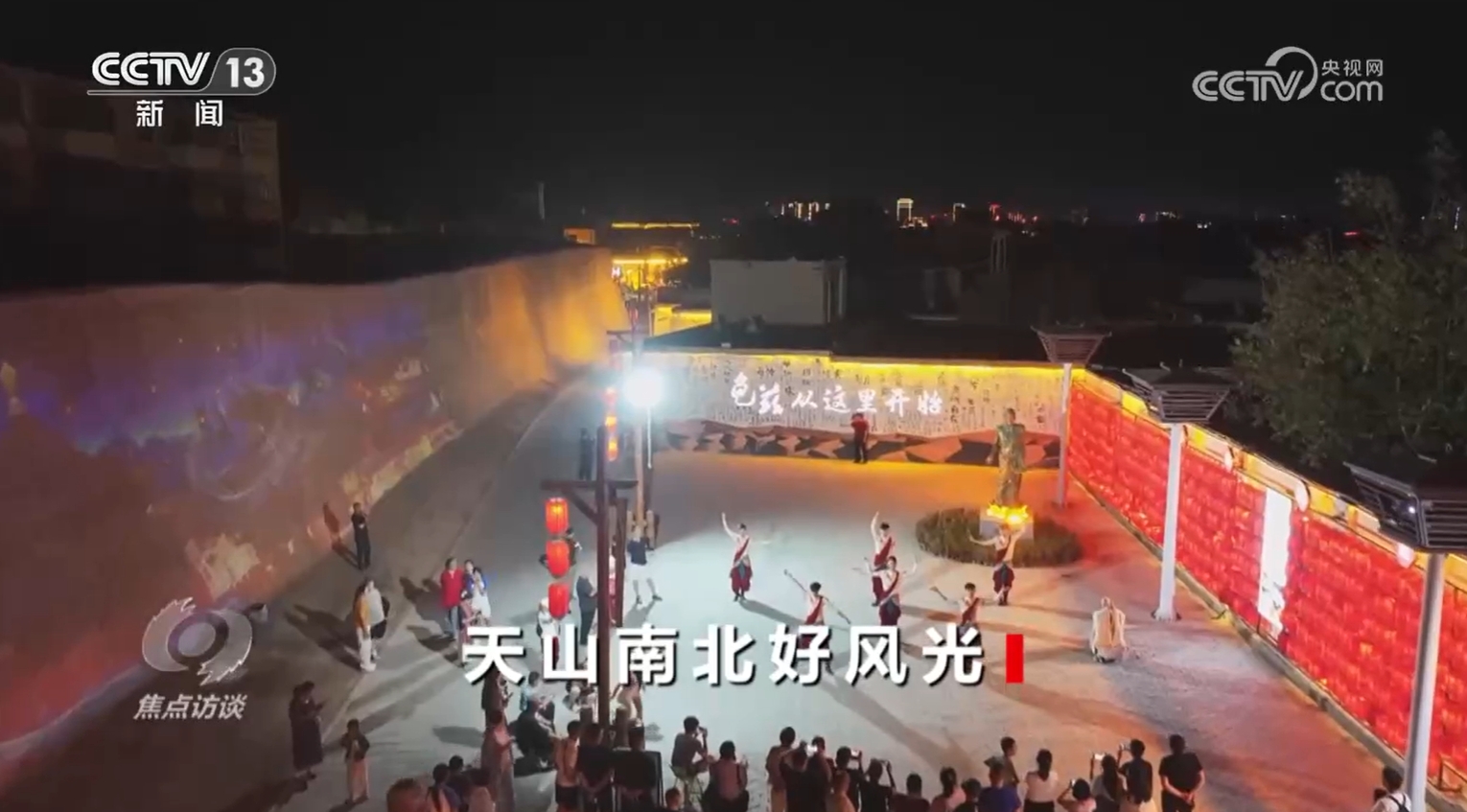
Core Insights - Xinjiang has become a popular summer travel destination due to its diverse natural landscapes and rich cultural heritage from various ethnic groups [1][15] - The tourism industry in Xinjiang is experiencing significant growth, with over 7 million visitors recorded from January to July this year, representing an increase of more than 50% compared to the same period last year [11][15] Group 1: Cultural and Historical Significance - Kuqa, historically known as Kucha, is located at the heart of the Silk Road and has been an important cultural and artistic center where Eastern and Western cultures converge [9] - The renovation of Kuqa Old Town involved input from residents and tourists, enhancing the cultural experience for visitors [9][11] Group 2: Tourism Experience - Tourists are increasingly seeking immersive experiences, such as participating in local performances and traditional dances, which enhances their connection to the culture [5][7] - The introduction of self-driving tours has made it easier for visitors to explore diverse landscapes, with new roads like the Duku Highway and Ahe Highway facilitating access [17] Group 3: Economic Impact on Local Communities - The rise in tourism has significantly improved the livelihoods of local residents, with many transitioning to hospitality roles, such as running guesthouses and offering guided tours [21][23] - In the Qiongkushitai Village, local residents have seen their incomes increase tenfold, with average earnings now reaching between 50,000 to 60,000 yuan [23][25] Group 4: Visitor Engagement - The interaction between tourists and local residents fosters a deeper connection, as locals share their cultural heritage and daily lives with visitors [25] - The hospitality and warmth of the local population contribute to a memorable experience for tourists, enhancing the overall appeal of Xinjiang as a travel destination [25]