无人便利店服务

Search documents
韩媒:韩国“无人店”须警惕“第三只手”
Huan Qiu Shi Bao· 2025-11-17 22:55
Core Insights - The rapid expansion of unmanned stores in South Korea is driven by low operational costs and 24-hour service availability, attracting many entrepreneurs [1][2] - Despite their advantages, unmanned stores face significant challenges, including safety incidents and theft, leading to a cautious industry perspective on this business model [2] Group 1: Advantages of Unmanned Stores - Unmanned stores have low operational costs and require minimal human labor, making them appealing in the context of rising labor costs in South Korea [1] - The minimum wage in South Korea has surpassed 10,000 KRW (approximately 48.7 CNY), further incentivizing the shift towards unmanned retail [1] Group 2: Challenges and Risks - Reports of safety incidents and theft in unmanned stores are increasing, with nearly 300 unmanned supermarkets in Daegu experiencing a rise in theft cases [1] - The inability to sell age-restricted products like alcohol and tobacco limits the profitability of unmanned stores [2] Group 3: Industry Response - Major convenience store brands in South Korea are reducing the number of unmanned stores, opting for a mixed operating model of "staffed during the day, unmanned at night" [2] - The transition to unmanned operations requires significant investment in technology and poses management challenges, prompting companies to reassess this model [2] Group 4: Future Considerations - The sustainable development of unmanned stores hinges on enhancing safety measures while improving customer experience and operational efficiency [2] - The retail industry must adopt advanced security technologies, such as upgraded surveillance systems and facial recognition, alongside increased security patrols to mitigate risks [2] - Government intervention is necessary to establish stricter regulatory standards, balancing economic benefits with social responsibilities [2]
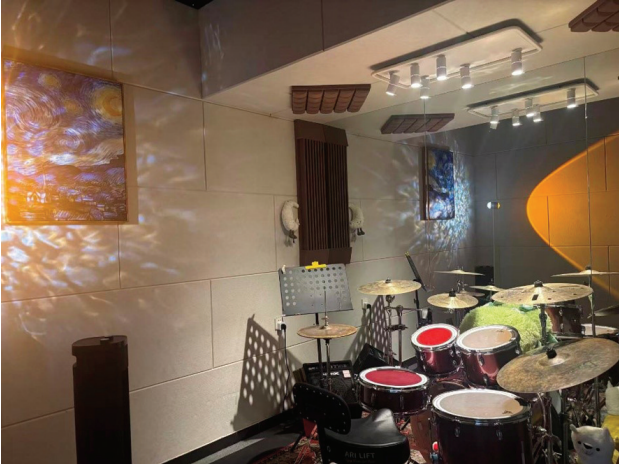
从鼓房到健身房:无人值守场景重塑消费体验
Xiao Fei Ri Bao Wang· 2025-09-22 02:36
Group 1 - The core concept of the article revolves around the rise of "unmanned economy" and its impact on various sectors, highlighting the efficiency and convenience of self-service models in retail and fitness industries [8][9] - Unmanned convenience stores, smart vending machines, self-service gyms, and unmanned coffee shops are becoming prevalent, reshaping consumer experiences while reducing operational costs [1][8] - The self-service drum rooms and gyms cater to niche markets, addressing specific consumer pain points such as noise complaints and time constraints, thus appealing to introverted and time-sensitive individuals [2][6] Group 2 - The self-service drum room offers a quiet and private environment for music enthusiasts, emphasizing the importance of soundproofing and strategic location to reduce operational pressure [5][6] - Self-service gyms are rapidly expanding, providing flexible access and reducing barriers for fitness enthusiasts, particularly those who travel frequently [6][7] - The integration of smart management systems in self-service gyms enhances user experience by allowing real-time monitoring and data analysis, which supports personalized training recommendations [7][8] Group 3 - The unmanned economy is evolving from addressing single service needs to creating interconnected ecosystems, enhancing the value of self-service models in the consumer landscape [9] - The market for the unmanned economy in China is projected to exceed 5 trillion yuan in the next five years, driven by technological advancements, policy support, and rising consumer demand [9]