
明代戗金彩漆岁寒三友图圆盘

Search documents
朱漆琼花入梦来——“岁寒三友”题材漆器略赏
Xin Lang Cai Jing· 2026-01-03 19:18
Core Viewpoint - The article explores the significance of winter-themed motifs, particularly the "Three Friends of Winter" (pine, bamboo, and plum), in ancient Chinese art and culture, highlighting their representation in lacquerware from the Forbidden City Museum's collection [1]. Group 1: Cultural Significance - The "Three Friends of Winter" symbolize resilience and beauty in harsh conditions, reflecting the sentiments of ancient scholars [1]. - These motifs have been integrated into daily life and artistic expressions, becoming popular themes in decorative arts [1]. Group 2: Lacquerware Artistry - The Forbidden City Museum houses exquisite lacquerware featuring the "Three Friends of Winter," showcasing fine craftsmanship and elegant designs [1]. - Techniques such as carving and filling lacquer are employed in creating intricate patterns, with examples including the Ming Dynasty's red lacquerware [5][7]. - The combination of different lacquer techniques, such as filling and gilding, enhances the visual appeal of the artworks, making them vibrant and luxurious [5][7]. Group 3: Historical Context - The development of lacquerware in the Qing Dynasty saw significant advancements, with specialized workshops producing high-quality items for the imperial court [8]. - The artistry of lacquerware reflects the philosophical ideals of harmony with nature and the importance of craftsmanship in Chinese culture [11].

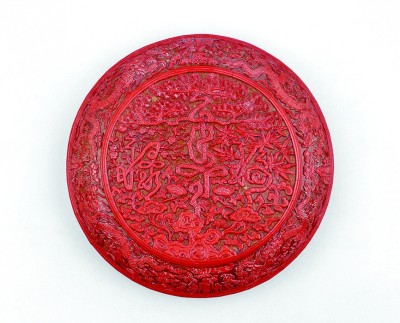
朱漆琼花入梦来
Xin Lang Cai Jing· 2026-01-03 19:18
Core Viewpoint - The article highlights the significance of the "Three Friends of Winter" (pine, bamboo, and plum) in traditional Chinese culture, particularly in the context of exquisite lacquerware from the Ming and Qing dynasties, showcasing their artistic and cultural value [9][10][12]. Group 1: Cultural Significance - The "Three Friends of Winter" symbolize resilience and beauty in harsh winter conditions, representing a deeper cultural appreciation among ancient scholars [10][12]. - The imagery of pine, bamboo, and plum has been integrated into poetry and daily life, making it a favored theme in decorative arts [10][12]. Group 2: Artistic Craftsmanship - The article describes various lacquerware pieces from the Palace Museum, emphasizing their intricate craftsmanship and the techniques used, such as carving and filling lacquer [11][12]. - The Ming Dynasty's red lacquerware featuring the "Three Friends of Winter" is noted for its vibrant colors and detailed designs, reflecting the artistic trends of the time [11][12]. Group 3: Historical Context - The development of lacquerware in the Qing Dynasty saw significant advancements, with specialized workshops producing high-quality items for the imperial court [11][12]. - The article references the influence of Daoist culture on the designs of lacquerware during the Ming Dynasty, particularly in the use of auspicious motifs [11].