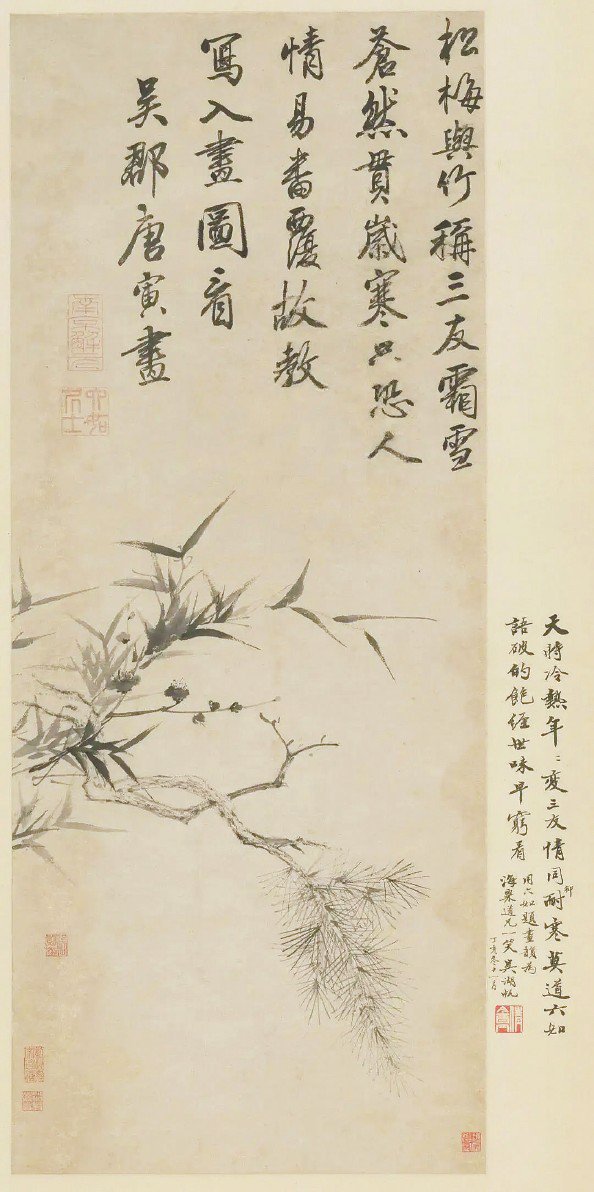
岁寒三友

Search documents
古画里的冬日风骨
Xin Lang Cai Jing· 2026-02-07 07:22
Group 1 - The article discusses the significance of the "Three Friends of Winter" (pine, bamboo, and plum) in traditional Chinese art, emphasizing their resilience and cultural connotations [2][3][4] - Various artists from different dynasties, such as Tang Yin and Wang Qian, are highlighted for their unique interpretations of winter scenes featuring these three plants, often accompanied by poetry that enhances the visual narrative [3][4] - The paintings reflect the artists' personal experiences and emotions, with themes of perseverance and beauty in adversity, as seen in the works of artists like Hong Ren and Gao Fenghan [4] Group 2 - The article provides detailed descriptions of specific artworks, including Tang Yin's "Three Friends of Winter" and Wang Qian's "Ice Soul Cold Bud," showcasing their artistic techniques and thematic depth [3][4] - The integration of poetry within the artworks serves to deepen the viewer's understanding and appreciation of the visual elements, linking literary and visual arts [3][4] - The cultural and historical context of these artworks is explored, illustrating how they reflect the values and sentiments of their respective eras [2][3]

文博日历丨古人把“岁寒三友”刻在了水晶里
Xin Lang Cai Jing· 2026-01-19 22:17
Core Viewpoint - The article highlights the exquisite craftsmanship and cultural significance of a crystal bottle featuring the "Three Friends of Winter" motif, showcasing the artistry involved in its creation and the symbolic meaning behind the depicted elements [2][6][7]. Group 1: Craftsmanship and Design - The crystal bottle is made from a single piece of high-quality white crystal, characterized by its clarity and seamless design, with flowing and elegant lines [4]. - The artisan has intricately carved scenes of pine trees, bamboo, and plum blossoms on the bottle, utilizing various techniques such as relief carving and engraving to create depth and texture [6][7]. - Each detail, from the pine bark's rugged texture to the delicate layering of plum petals, reflects the artisan's mastery over the material, requiring precision in every cut to avoid damaging the piece [7]. Group 2: Cultural Significance - The "Three Friends of Winter"—pine, bamboo, and plum—are not randomly chosen; they symbolize resilience and integrity in the face of adversity, representing the ideal qualities of a gentleman in ancient Chinese culture [7]. - The bottle serves not only as a decorative item but also as a reminder of the virtues associated with these plants, encouraging individuals to embody their characteristics during challenging times [7]. - The article connects the bottle to broader cultural themes, suggesting that it embodies the spirit of perseverance and elegance, resonating with the values of ancient scholars [6][7].
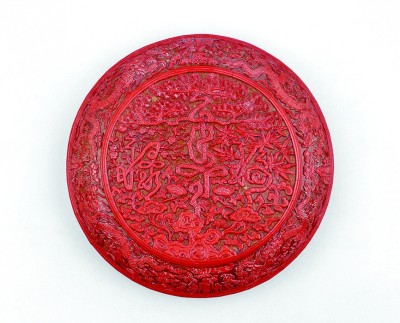
朱漆琼花入梦来——“岁寒三友”题材漆器略赏
Xin Lang Cai Jing· 2026-01-03 19:18
Core Viewpoint - The article explores the significance of winter-themed motifs, particularly the "Three Friends of Winter" (pine, bamboo, and plum), in ancient Chinese art and culture, highlighting their representation in lacquerware from the Forbidden City Museum's collection [1]. Group 1: Cultural Significance - The "Three Friends of Winter" symbolize resilience and beauty in harsh conditions, reflecting the sentiments of ancient scholars [1]. - These motifs have been integrated into daily life and artistic expressions, becoming popular themes in decorative arts [1]. Group 2: Lacquerware Artistry - The Forbidden City Museum houses exquisite lacquerware featuring the "Three Friends of Winter," showcasing fine craftsmanship and elegant designs [1]. - Techniques such as carving and filling lacquer are employed in creating intricate patterns, with examples including the Ming Dynasty's red lacquerware [5][7]. - The combination of different lacquer techniques, such as filling and gilding, enhances the visual appeal of the artworks, making them vibrant and luxurious [5][7]. Group 3: Historical Context - The development of lacquerware in the Qing Dynasty saw significant advancements, with specialized workshops producing high-quality items for the imperial court [8]. - The artistry of lacquerware reflects the philosophical ideals of harmony with nature and the importance of craftsmanship in Chinese culture [11].
朱漆琼花入梦来
Xin Lang Cai Jing· 2026-01-03 19:18
Core Viewpoint - The article highlights the significance of the "Three Friends of Winter" (pine, bamboo, and plum) in traditional Chinese culture, particularly in the context of exquisite lacquerware from the Ming and Qing dynasties, showcasing their artistic and cultural value [9][10][12]. Group 1: Cultural Significance - The "Three Friends of Winter" symbolize resilience and beauty in harsh winter conditions, representing a deeper cultural appreciation among ancient scholars [10][12]. - The imagery of pine, bamboo, and plum has been integrated into poetry and daily life, making it a favored theme in decorative arts [10][12]. Group 2: Artistic Craftsmanship - The article describes various lacquerware pieces from the Palace Museum, emphasizing their intricate craftsmanship and the techniques used, such as carving and filling lacquer [11][12]. - The Ming Dynasty's red lacquerware featuring the "Three Friends of Winter" is noted for its vibrant colors and detailed designs, reflecting the artistic trends of the time [11][12]. Group 3: Historical Context - The development of lacquerware in the Qing Dynasty saw significant advancements, with specialized workshops producing high-quality items for the imperial court [11][12]. - The article references the influence of Daoist culture on the designs of lacquerware during the Ming Dynasty, particularly in the use of auspicious motifs [11].
文博日历丨今日小雪,来看郑板桥笔下的青松
Yang Shi Xin Wen· 2025-11-22 02:46
Group 1 - The article discusses the significance of the "Double Pine" painting by Zheng Banqiao, a renowned artist from the Qing Dynasty, highlighting its artistic value and emotional depth [5][12][16] - The painting features two strong pine trees, showcasing the artist's mastery of dry and wet brush techniques, creating a clear distinction between the main and supporting elements [7][12] - Surrounding elements such as orchids and bamboo complement the pines, enhancing the overall composition and reflecting the harmony between nature and human sentiment [10][12] Group 2 - The painting was created in the 23rd year of the Qianlong reign (1758) as a gift for Zheng Banqiao's friend, emphasizing the deep friendship and mutual respect between them [12][19] - The unique calligraphy style used in the painting, known as "Six and a Half Points," combines various script styles, adding to the artwork's distinctiveness [17][19] - The article suggests that during the "Minor Snow" season, one can engage in various cultural activities such as tea tasting, poetry recitation, and enjoying wine, which can enhance the appreciation of art and friendship [19][21][23]