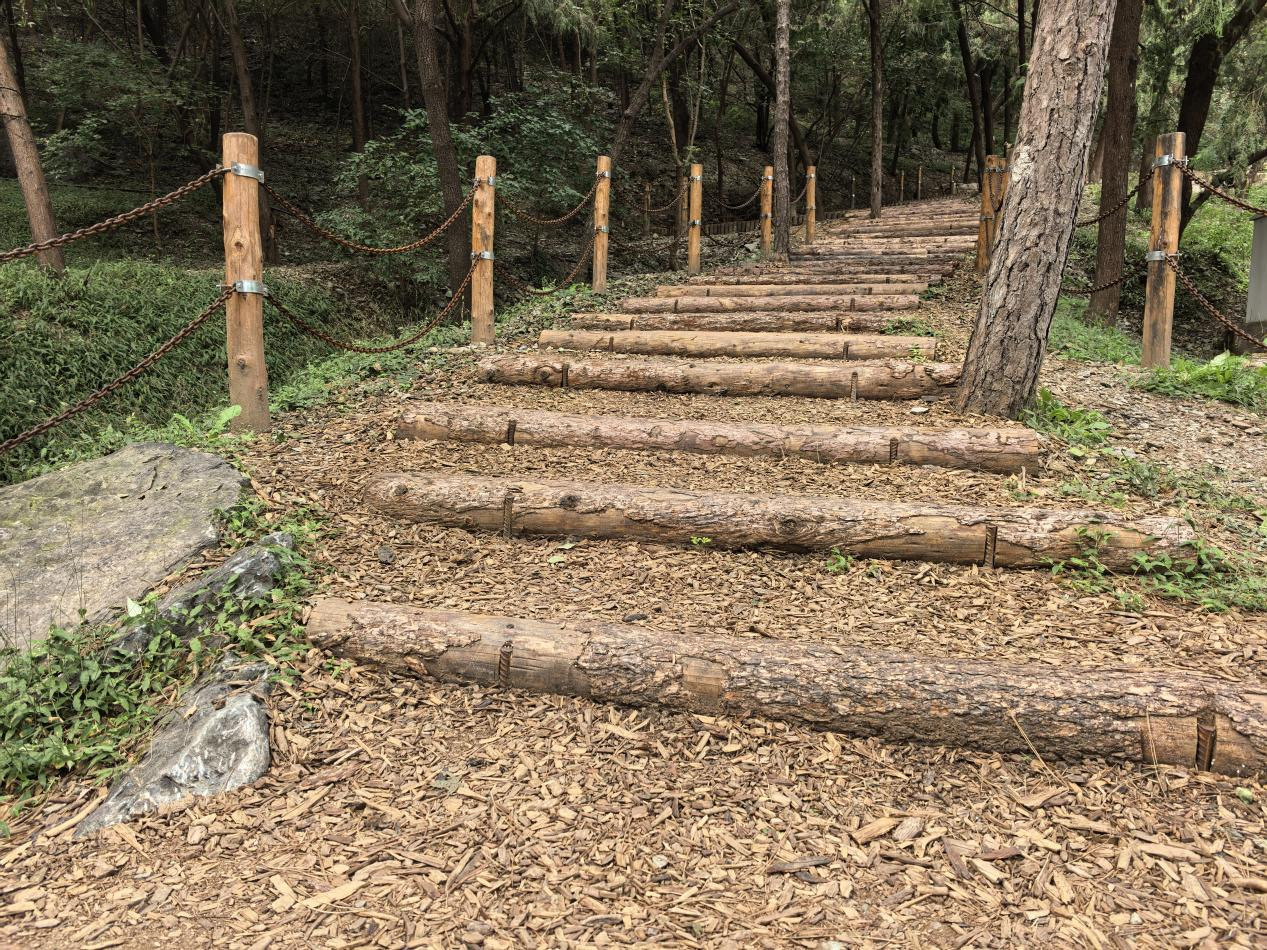
有机覆盖物

Search documents
在寒风中飘落的树叶是麻烦还是资源?每年520万吨枯枝落叶去哪了
Bei Jing Wan Bao· 2025-12-17 07:19
Group 1 - The article discusses the creative ways people are utilizing fallen leaves, including making crafts and art, as well as the environmental benefits of recycling leaf waste [1][4][5] - In Beijing, approximately 5.2 million tons of fallen leaves are generated annually, and this number is increasing each year [1] - Community gardening stations are hosting activities focused on fallen leaves, promoting creativity and education for families [3][4] Group 2 - An artist named Wang Ziyang collected around 20,000 ginkgo leaves to create an abstract art installation, selling individual leaves for a profit [6][10] - The article highlights the process of turning fallen leaves and branches into compost and organic soil, which is essential for urban landscaping [10][11] - The use of technology, such as the ecological cabin, is being implemented to efficiently process green waste, reducing transportation costs and improving soil quality [10][11] Group 3 - Parks are adopting more sophisticated methods for managing fallen leaves, balancing ecological needs with maintenance requirements [15][16] - The concept of "brush piles" made from fallen leaves and branches is introduced as a habitat for wildlife, enhancing biodiversity in urban parks [13][16] - The article emphasizes the importance of fallen leaves in providing shelter and food for various species, contributing to a healthier ecosystem [14][15]


变废为宝 北京市属公园绿废循环利用率提升20%
Yang Shi Wang· 2025-10-04 02:13
Core Insights - Beijing's municipal parks are increasingly utilizing green waste recycling methods to transform "green waste" into resources, improving sorting and transportation efficiency by 20% year-on-year due to the influence of the "Beijing Municipal Solid Waste Management Regulations" [1] Group 1: Waste Processing Techniques - Most municipal parks in Beijing are employing high-temperature composting to convert fallen branches and leaves into organic substrates, reducing secondary pollution from burning or landfilling [2] - The National Botanical Garden processes approximately 20,000 cubic meters of green waste annually, producing around 4,000 cubic meters of substrate, which saves about 1 million yuan in fertilizer costs each year [2] - Shredded green waste is rich in organic nitrogen, phosphorus, and potassium, improving soil structure and enhancing water retention and aeration [2] Group 2: Innovative Applications - Some parks are using shredded branches and leaves as biodegradable organic cover materials to enhance landscape aesthetics [3] - Baiwangshan Forest Park utilizes larger tree trunks for trail barriers and covers pathways with shredded materials, while all fallen leaves and weeds are composted back into the forest [3] - Yuyuantan Park combines green waste with ecological materials for landscape art, exemplified by the "Colorful Galaxy" garden using repurposed waste wood [5] Group 3: Future Directions - The Beijing Municipal Park Management Center plans to explore new pathways for resource utilization of green waste, collaborating with research institutions to develop high-value products such as organic fertilizers and ecological paving materials [9] - There are intentions to establish a closed-loop management model involving "parks-processing plants-urban green spaces," expanding services to surrounding communities and public green areas [9]