木星

Search documents
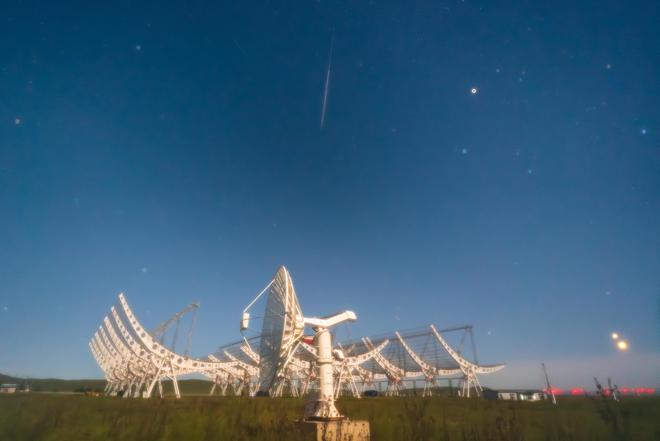
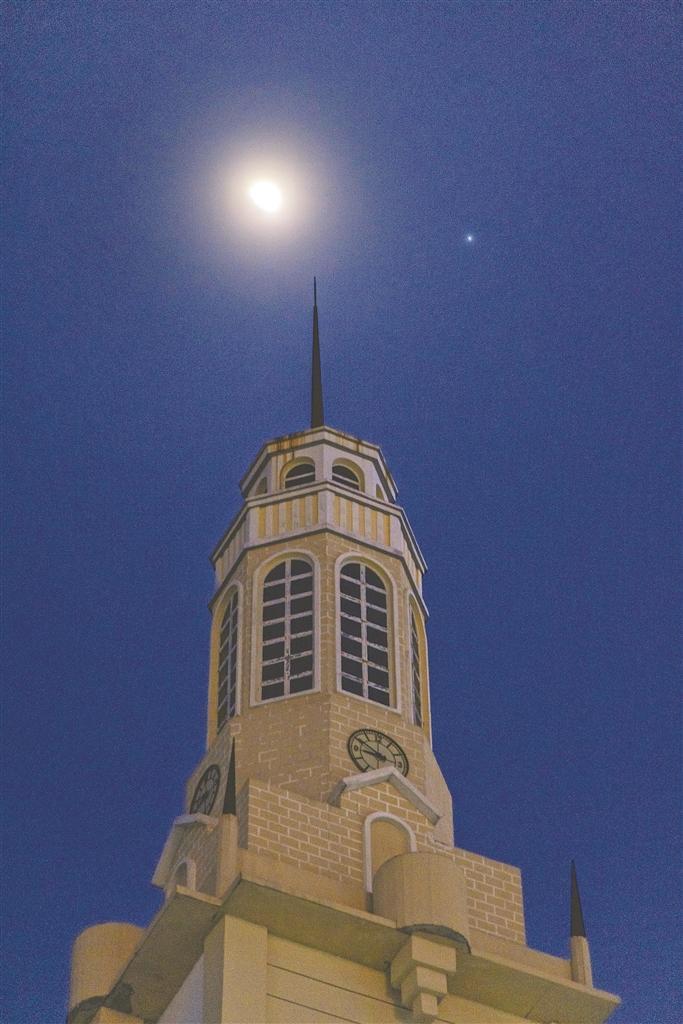
木星伴月来啦,天幕上演“星月对话”
Xin Lang Cai Jing· 2026-02-27 22:32
Group 1 - The article discusses a celestial event where Jupiter and the Moon appeared close together in the night sky, creating a visually stunning display [3][4]

星空有约|冬季“星空大戏”的黄金时段来了
Xin Hua She· 2026-01-22 02:11
Core Viewpoint - The winter night sky offers a spectacular view with numerous bright stars, making it an ideal time for stargazing, particularly with the prominent "Winter Triangle" and "Winter Diamond" formations visible in the northern hemisphere [4][6]. Group 1: Winter Sky Features - The winter sky is characterized by the highest number of visible bright stars, with over 10 stars having a visual magnitude of second or higher [4]. - The "Winter Triangle," consisting of the brightest stars Sirius, Procyon, and Betelgeuse, is a key feature of the winter sky, visible across most of the northern hemisphere [4]. - The "Winter Diamond" includes stars such as Sirius, Procyon, and Betelgeuse, along with other notable stars, showcasing a mix of different stellar evolution stages [6]. Group 2: Notable Celestial Objects - Jupiter has recently moved into the Gemini constellation, joining the "Winter Diamond," which includes both giant planets and various types of stars [6]. - The Orion constellation, particularly the Orion Nebula, is highlighted as a significant feature of the winter sky, serving as a stellar nursery composed of interstellar dust and gas [7][9]. Group 3: Timing and Visibility - The timing of star visibility changes throughout the lunar months, with stars rising approximately 4 minutes earlier each day, affecting their visibility in late January compared to late December [11].

赏“星”悦目!这幕绝美“星月童话”连演两天
Xin Hua She· 2025-08-18 07:32
Group 1 - The event of "double star and crescent moon" featuring Venus and Jupiter will occur on the morning of the 20th to 21st of this month, visible to the public if the weather is clear [1] - Venus can be observed for about 10 months a year, appearing as the "Morning Star" before dawn or the "Evening Star" at dusk; it will play the role of "Morning Star" from late March to the end of the year [2] - Jupiter, known as the "giant" of the solar system, stands out due to its large size and quality, characterized by its cloud bands and the Great Red Spot [2] Group 2 - On August 12, 2025, Venus and Jupiter will be very close in the eastern sky, with an angular distance of about 0.9 degrees, creating a bright "double star" appearance [5] - On the morning of the 20th, the moon will join the scene, with Venus and Jupiter's angular distance increasing to 7.5 degrees, providing a two-hour observation window before dawn [5] - The crescent moon will appear to move closer to Venus on the morning of the 21st, enhancing the visual spectacle [5][7]