木浆海绵

Search documents
你“最信任”的清洁工具可能是细菌发源地,一文揭秘
Xin Lang Cai Jing· 2026-02-21 04:52
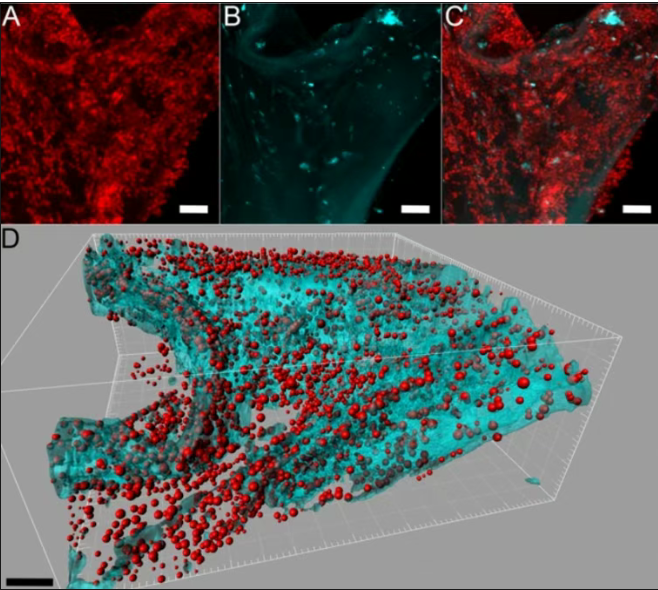
Core Viewpoint - The article discusses how kitchen sponges, often perceived as harmless, can harbor a vast number of bacteria, making them a significant source of microbial contamination in households [1][5]. Group 1: Structure and Environment - Kitchen sponges have a unique porous structure that creates an ideal environment for bacteria to thrive, allowing for rapid absorption and retention of moisture [2][3]. - A single kitchen sponge can contain over 540 billion bacteria per cubic centimeter, with more than 362 species of bacteria identified [2][3]. Group 2: Sources of Contamination - The primary sources of microbial contamination in kitchen sponges are the various foods handled in the kitchen, including raw meat and fresh produce, which introduce bacteria when touched [4][5]. - Microbial transfer occurs when hands or utensils contaminated with bacteria come into contact with the sponge, further increasing the microbial load [4][5]. Group 3: Cleaning and Alternatives - Regular cleaning of kitchen sponges with antibacterial agents has limited effectiveness in reducing microbial populations due to the sponge's porous nature, which protects bacteria from disinfectants [6]. - The most effective solution to avoid microbial contamination is to use a dishwasher, which employs high temperatures to clean and sanitize [6]. - Alternatives to sponges, such as dish brushes and disposable cloths, are recommended as they are less conducive to bacterial growth [7][8].
你“最信任”的清洁工具可能是细菌发源地 一文揭秘
Yang Shi Xin Wen· 2026-02-21 04:23
Core Viewpoint - The article discusses how kitchen sponges, often perceived as harmless, can harbor a vast number of bacteria, making them a significant source of microbial contamination in households [1][3][10]. Group 1: Structure and Environment - Kitchen sponges have a porous structure that creates an ideal environment for bacteria to thrive, with studies indicating that a single sponge can contain up to 54 billion bacteria per cubic centimeter [1][4]. - The sponge's unique structure allows for a diverse range of bacteria to coexist, with over 362 species identified within a single sponge [6][12]. - The moist conditions within the sponge, combined with frequent use, provide a continuous source of food and water for bacteria, further promoting their growth [7][10]. Group 2: Sources of Contamination - Contaminants introduced to sponges often come from handling raw foods, such as meat and eggs, which can transfer harmful bacteria like Salmonella and E. coli [10][11]. - The kitchen environment, particularly due to the handling of various food items, is identified as having a higher microbial load than other areas of the home, such as bathrooms [10][11]. Group 3: Cleaning and Alternatives - Regular cleaning of sponges is shown to have limited effectiveness in reducing microbial populations, as the porous structure can protect bacteria from disinfectants [12][14]. - The article suggests that using a dishwasher is the most effective method to eliminate bacteria, as it employs high temperatures and drying processes [14]. - Alternatives to sponges, such as dish brushes and disposable cloths, are recommended as they are less conducive to bacterial growth [14][15].