
细菌滋生

Search documents
你“最信任”的清洁工具可能是细菌发源地 一文揭秘
Yang Shi Xin Wen· 2026-02-21 04:23
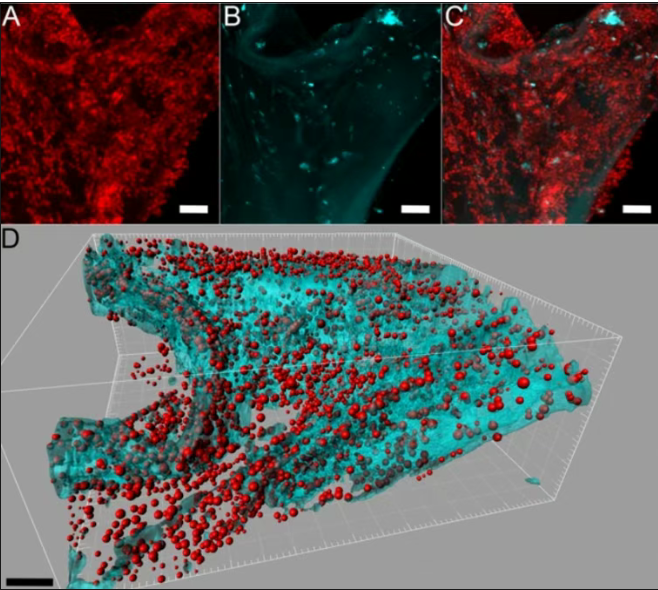
Core Viewpoint - The article discusses how kitchen sponges, often perceived as harmless, can harbor a vast number of bacteria, making them a significant source of microbial contamination in households [1][3][10]. Group 1: Structure and Environment - Kitchen sponges have a porous structure that creates an ideal environment for bacteria to thrive, with studies indicating that a single sponge can contain up to 54 billion bacteria per cubic centimeter [1][4]. - The sponge's unique structure allows for a diverse range of bacteria to coexist, with over 362 species identified within a single sponge [6][12]. - The moist conditions within the sponge, combined with frequent use, provide a continuous source of food and water for bacteria, further promoting their growth [7][10]. Group 2: Sources of Contamination - Contaminants introduced to sponges often come from handling raw foods, such as meat and eggs, which can transfer harmful bacteria like Salmonella and E. coli [10][11]. - The kitchen environment, particularly due to the handling of various food items, is identified as having a higher microbial load than other areas of the home, such as bathrooms [10][11]. Group 3: Cleaning and Alternatives - Regular cleaning of sponges is shown to have limited effectiveness in reducing microbial populations, as the porous structure can protect bacteria from disinfectants [12][14]. - The article suggests that using a dishwasher is the most effective method to eliminate bacteria, as it employs high temperatures and drying processes [14]. - Alternatives to sponges, such as dish brushes and disposable cloths, are recommended as they are less conducive to bacterial growth [14][15].

蔬菜裹着塑料袋放冰箱更容易变质
Xin Lang Cai Jing· 2026-01-08 16:57
Group 1 - The article highlights potential health risks associated with storing vegetables and fruits in plastic bags, particularly when these bags are placed in the refrigerator [1] - It explains that poor air permeability of plastic bags can lead to anaerobic respiration in fruits and vegetables, resulting in the production of alcohol and promoting bacterial growth, which decreases safety and nutritional value [1] - The article also raises concerns about colored plastic bags made from recycled materials, which may contain harmful carcinogens like benzo[a]pyrene that could transfer to food upon contact [1]
床单一周不换?你正在和“它们”同床共枕
Yang Shi Xin Wen· 2025-10-25 22:17
Core Viewpoint - The article emphasizes the health risks associated with not regularly changing bed linens, highlighting the presence of harmful microorganisms that thrive in unwashed sheets and can lead to various health issues. Group 1: Microorganisms in Dirty Bed Linens - Dirty bed linens can harbor billions of bacteria, especially in humid conditions, which can double their numbers [1] - Four types of microorganisms are identified: bacteria, fungi, dust mites, and viruses, all of which can negatively impact human health [3][4] - Bacteria thrive on sweat, saliva, and skin cells, while fungi flourish in moist environments, and dust mites feed on dead skin cells [3] Group 2: Health Issues Linked to Dirty Bed Linens - Skin issues such as folliculitis and acne can arise from bacteria on dirty sheets, while fungi can cause skin infections and exacerbate scalp itching and hair loss [5] - Respiratory problems, including allergic rhinitis and asthma, can be triggered by inhaling dust mite droppings and fungal spores from contaminated linens [6] Group 3: Common Misconceptions About Changing Bed Linens - The belief that daily showers eliminate the need to change bed linens is misleading, as skin oils and sweat still accumulate [7] - Simply airing out bed linens without washing them does not remove embedded dirt and microorganisms [8] - In winter, bed linens can become even dirtier due to a warm, enclosed environment that promotes bacterial growth [9] Group 4: Recommended Bed Linen Changing Frequency - In summer, it is advised to change bed linens weekly, while in winter, every two weeks is sufficient [11][12] - Special populations, such as the elderly, children, and those with skin conditions, should change linens more frequently, ideally every 3-5 days [13] Group 5: Proper Linen Washing Techniques - Washing bed linens at temperatures between 55-65°C is effective in killing most bacteria and fungi [14] - Using neutral detergents is recommended to avoid damaging the fabric while effectively removing dirt [15] - Sun-drying linens during peak sunlight hours can help eliminate deep-seated dust mites [16]
