柏崎刈羽核电站

Search documents
东电公司公布日本最大核电站重启故障的推断原因
Xin Lang Cai Jing· 2026-01-29 10:30
Core Viewpoint - The restart of the No. 6 reactor at the Kashiwazaki-Kariwa Nuclear Power Plant was halted due to an alarm triggered during the control rod extraction process, with the cause likely linked to a combination setting issue between the inverter and control rod drive [1] Group 1: Incident Details - The No. 6 reactor at the Kashiwazaki-Kariwa Nuclear Power Plant, Japan's largest nuclear facility, was restarted on January 21 but triggered an alarm during operations on January 22 [1] - Tokyo Electric Power Company decided to temporarily shut down the No. 6 reactor to investigate the cause of the alarm [1] Group 2: Investigation Findings - Following the temporary shutdown, the electronic components of the control rod drive equipment were sent to the manufacturer for inspection, which revealed no issues [1] - The company suspects that the alarm was caused by a combination setting issue between the inverter and the control rod drive, and they plan to compile investigation results soon [1] Group 3: Future Outlook - The head of the plant, Takeyuki Inagaki, indicated that the cause of the malfunction is becoming clearer, and the restart of the reactor is expected to occur soon [1]
视频丨日本民众集会反对重启柏崎刈羽核电站
Yang Shi Xin Wen Ke Hu Duan· 2026-01-22 10:52
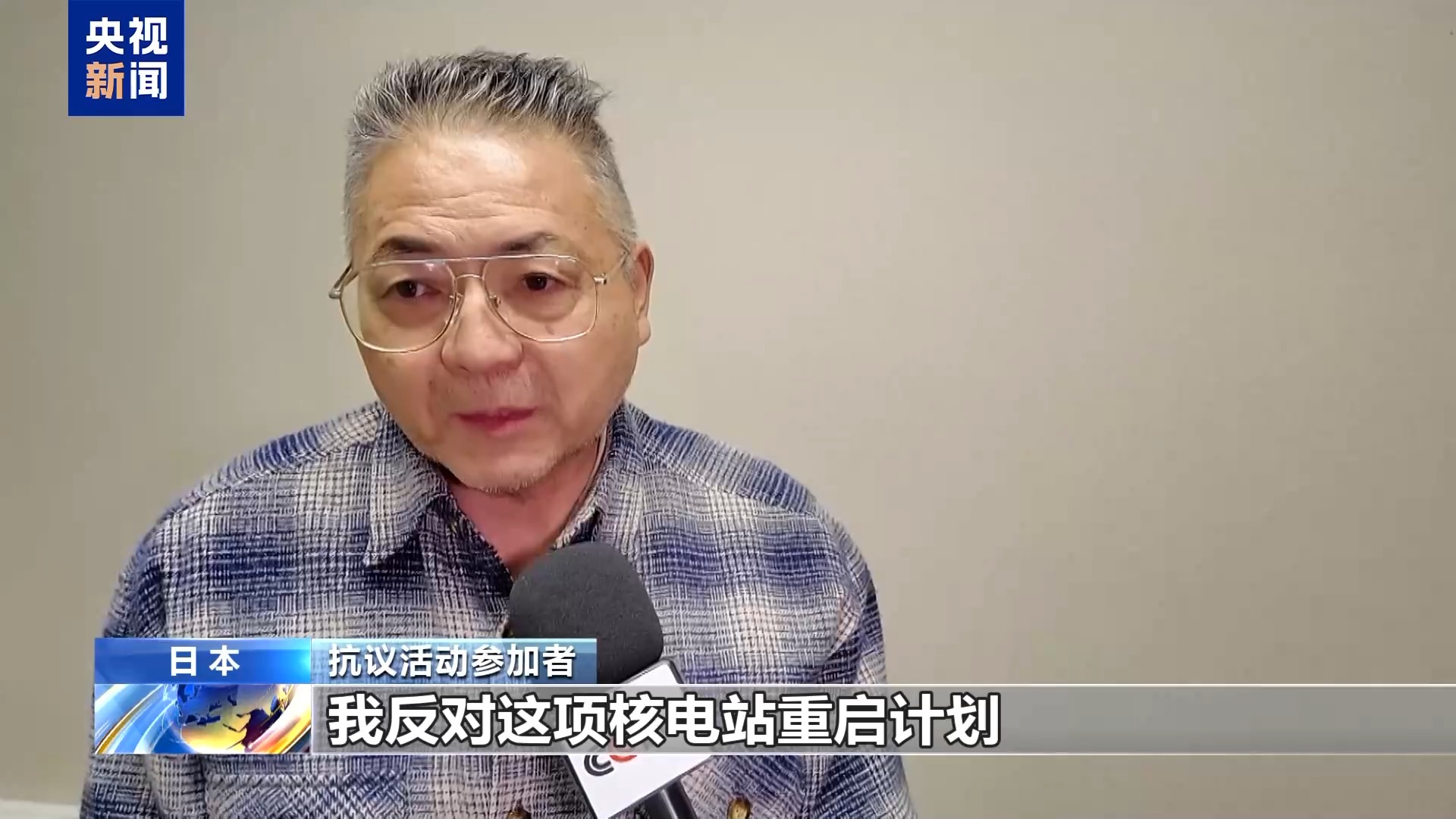
Core Viewpoint - Tokyo Electric Power Company has restarted the Kashiwazaki-Kariwa Nuclear Power Plant Unit 6, which had been offline since the 2011 Great East Japan Earthquake, despite public opposition and concerns about safety [1][5][9] Group 1: Restart of Nuclear Power Plant - The Kashiwazaki-Kariwa Nuclear Power Plant, operated by Tokyo Electric Power Company, is Japan's largest nuclear power station [1] - Unit 6 was initially scheduled to restart on the 20th but was delayed due to a malfunction in the alarm system, only to be restarted the following day [5] - The decision to restart has sparked protests from local residents who express concerns over the safety and reliability of the plant [1][3] Group 2: Public Opposition - Protesters gathered in front of the Nuclear Regulation Authority's office in Tokyo to voice their opposition to the plant's restart, emphasizing the need for caution [3] - Participants in the protest criticized Tokyo Electric Power Company for what they perceive as a hasty decision, questioning the adequacy of the investigations conducted prior to the restart [5][7] - Concerns were raised about the lessons not learned from the 2011 Fukushima disaster, with protesters demanding that the restart be halted [9]

因设备警报设置错误 日本最大核电站机组将延期启动
Yang Shi Xin Wen· 2026-01-19 02:51
Core Viewpoint - The restart of the Kashiwazaki-Kariwa Nuclear Power Plant, originally scheduled for January 20, has been delayed due to a malfunction in the equipment alarm settings [1] Group 1: Incident Details - Tokyo Electric Power Company (TEPCO) announced on January 17 that a control rod extraction test was conducted for the No. 6 reactor at the Kashiwazaki-Kariwa Nuclear Power Plant [1] - During the test, the alarm that typically sounds when a control rod is extracted did not activate due to a misconfiguration [1] - TEPCO is investigating the cause of the incident and has reported that the alarm was not set to sound due to operator error [1] Group 2: Impact on Operations - Following the incident, TEPCO reset the alarm settings and reported to the Nuclear Regulation Authority on the evening of January 18, while also restarting the test [1] - The control rod test must be completed before the reactor can be restarted, and the malfunction has caused delays in the project timeline [1] - The Kashiwazaki-Kariwa Nuclear Power Plant has been offline since the March 11, 2011, earthquake, and local consent for its restart has been obtained [1]
多个日本民间团体反对重启柏崎刈羽核电站
Yang Shi Xin Wen· 2026-01-12 00:41
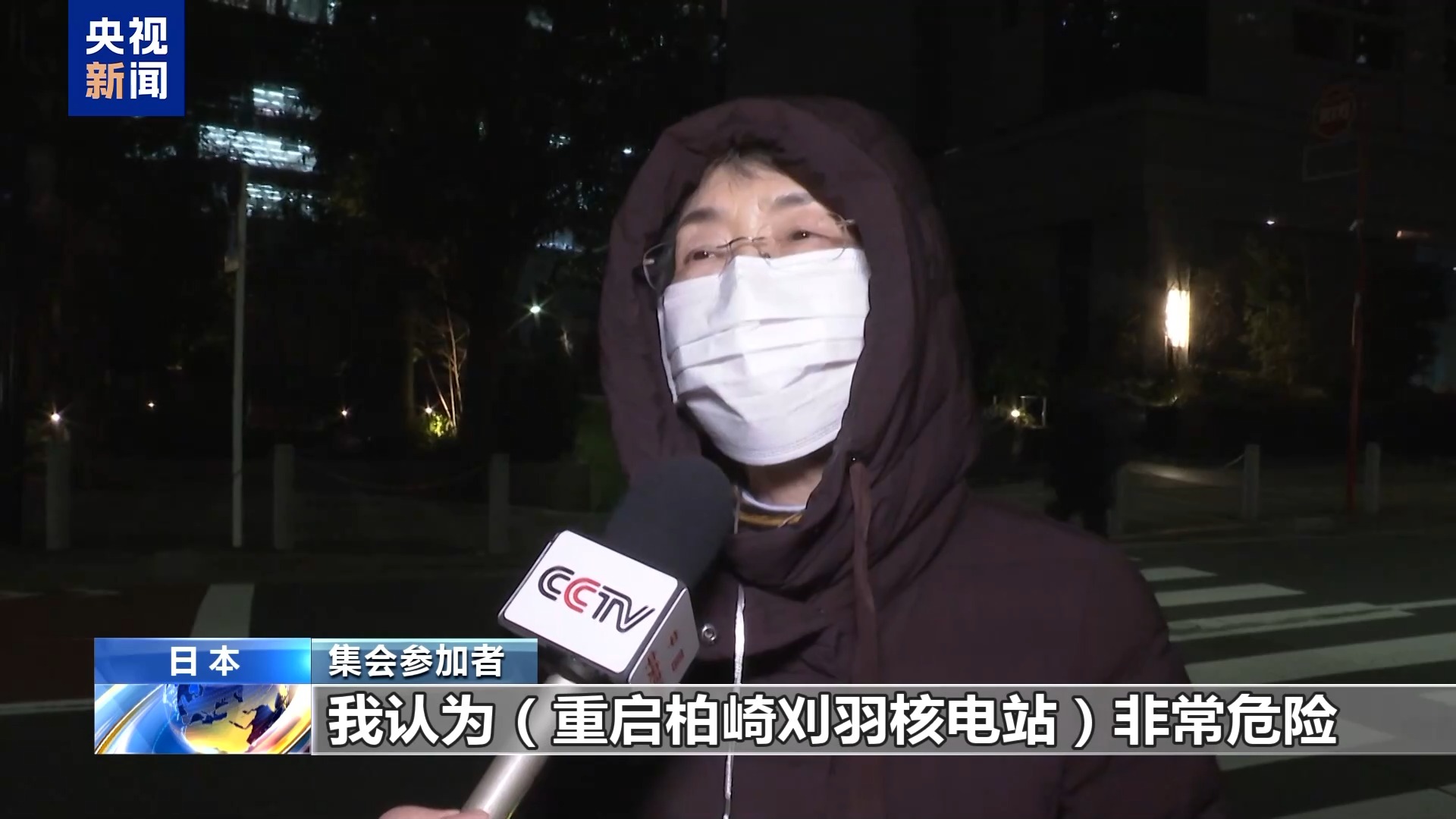
Core Viewpoint - There is strong opposition from local citizens in Niigata Prefecture against the restart plan of the Kashiwazaki-Kariwa Nuclear Power Plant, citing safety concerns due to aging facilities and the track record of Tokyo Electric Power Company (TEPCO) [1][3]. Group 1: Public Opposition - Multiple civic groups in Niigata Prefecture held protests against the restart of the Kashiwazaki-Kariwa Nuclear Power Plant, emphasizing the potential safety risks associated with the aging infrastructure [1][3]. - Protesters expressed distrust in TEPCO, highlighting the company's history of cover-ups and deception, and called for the government to reconsider the restart plan to prioritize the safety of residents and the local environment [6][10]. - Participants in the protests voiced concerns about the implications of restarting the plant while the aftermath of the Fukushima disaster remains unresolved, particularly regarding the health of local children and workers exposed to radiation [8][10]. Group 2: Broader Concerns - Protesters also expressed strong concerns regarding the government's push to amend the "Three Non-Nuclear Principles" and relax restrictions on arms exports, fearing a shift in Japan's nuclear policy [11]. - The sentiment among protesters is that Japan, as the only country to have experienced nuclear bombings, should maintain a firm stance against nuclear weapons, advocating for the preservation of the "Three Non-Nuclear Principles" [13]. - There is a recognition that Japan's nuclear issues extend beyond just nuclear power plants, emphasizing the need for continued advocacy and expression of concerns regarding nuclear policies [15].