
核电站重启

Search documents
重启不到一天 日本最大核电站再度停运
证券时报· 2026-01-22 13:03
Core Viewpoint - Tokyo Electric Power Company has announced a temporary suspension of the Kashiwazaki-Kariwa Nuclear Power Plant Unit 6 due to the need for investigation into a fault that occurred shortly after its restart [1][9]. Group 1: Restart of Kashiwazaki-Kariwa Nuclear Power Plant - The Kashiwazaki-Kariwa Nuclear Power Plant, operated by Tokyo Electric Power Company, had been offline since the 2011 Great East Japan Earthquake and was restarted on the evening of the 21st [3]. - The restart of Unit 6 was initially planned for the 20th but was delayed due to a malfunction in the alarm system, raising concerns about the safety and reliability of the plant [6]. Group 2: Public Opposition and Concerns - There has been significant public opposition to the restart, with protests occurring outside the Japanese Nuclear Regulation Authority's office in Tokyo, where participants expressed their disapproval of the decision [4][3]. - Protesters voiced concerns about the safety of the nuclear plant, questioning the adequacy of the investigations conducted by Tokyo Electric Power Company and expressing distrust in the company's ability to manage nuclear safety [8][6].


视频丨日本民众集会反对重启柏崎刈羽核电站
Yang Shi Xin Wen Ke Hu Duan· 2026-01-22 10:52
Core Viewpoint - Tokyo Electric Power Company has restarted the Kashiwazaki-Kariwa Nuclear Power Plant Unit 6, which had been offline since the 2011 Great East Japan Earthquake, despite public opposition and concerns about safety [1][5][9] Group 1: Restart of Nuclear Power Plant - The Kashiwazaki-Kariwa Nuclear Power Plant, operated by Tokyo Electric Power Company, is Japan's largest nuclear power station [1] - Unit 6 was initially scheduled to restart on the 20th but was delayed due to a malfunction in the alarm system, only to be restarted the following day [5] - The decision to restart has sparked protests from local residents who express concerns over the safety and reliability of the plant [1][3] Group 2: Public Opposition - Protesters gathered in front of the Nuclear Regulation Authority's office in Tokyo to voice their opposition to the plant's restart, emphasizing the need for caution [3] - Participants in the protest criticized Tokyo Electric Power Company for what they perceive as a hasty decision, questioning the adequacy of the investigations conducted prior to the restart [5][7] - Concerns were raised about the lessons not learned from the 2011 Fukushima disaster, with protesters demanding that the restart be halted [9]
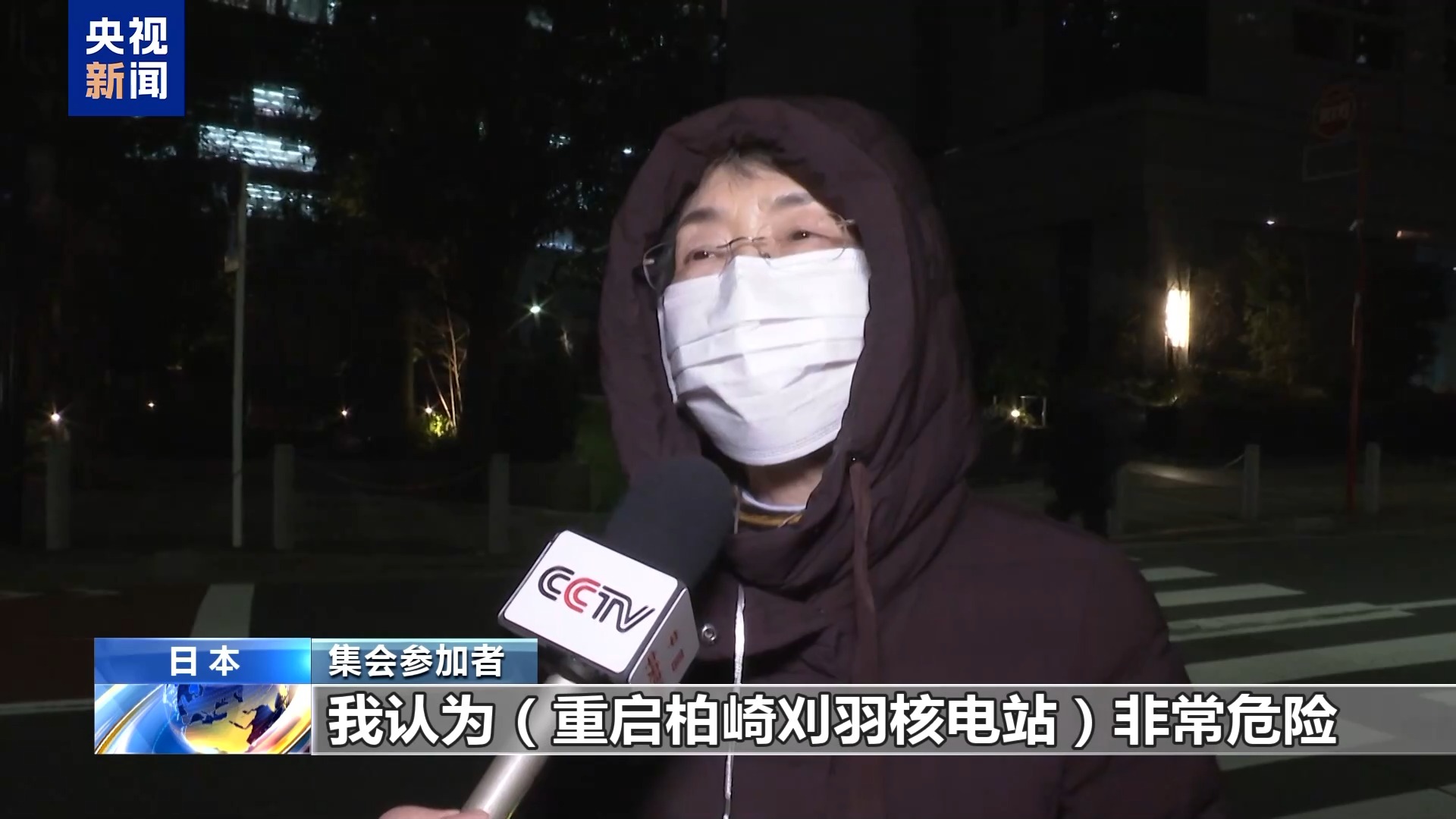
日本民众集会反对重启柏崎刈羽核电站
Yang Shi Xin Wen Ke Hu Duan· 2026-01-22 07:47
Core Viewpoint - Tokyo Electric Power Company has restarted the Kashiwazaki-Kariwa Nuclear Power Plant Unit 6, which had been offline since the 2011 Great East Japan Earthquake, despite public opposition and concerns regarding safety [1][3][6] Group 1: Restart of Nuclear Power Plant - The restart of Kashiwazaki-Kariwa Nuclear Power Plant Unit 6 was initially scheduled for the 20th but was delayed due to a malfunction in the alarm system, only to be restarted the following day [3] - The plant is Japan's largest nuclear facility and has faced significant scrutiny from the public and activists regarding its safety [1][3] Group 2: Public Opposition - A gathering of protesters took place in front of the Nuclear Regulation Authority's office in Tokyo, where participants expressed strong opposition to the plant's restart, citing concerns over safety and the potential for another disaster [1][6] - Protesters voiced distrust in Tokyo Electric Power Company, arguing that the complexities of nuclear power cannot be resolved quickly and that the company has not learned from past mistakes, particularly the Fukushima disaster [5][6]
日本最大核电站重启次日,警报响起作业中断
Zhong Guo Xin Wen Wang· 2026-01-22 05:13
Core Viewpoint - The restart of Japan's largest nuclear power plant, Kashiwazaki-Kariwa Unit 6, was interrupted by an alarm during control rod extraction, raising concerns about safety and operational reliability [1] Group 1: Plant Operations - Kashiwazaki-Kariwa nuclear power plant is the largest in Japan and was shut down in 2012 following the Fukushima disaster in 2011 [1] - The restart of Unit 6 was initially planned for January 20, 2026, but was delayed due to an error in alarm settings [1] - The unit was successfully restarted on January 21, 2023, but faced immediate operational issues [1] Group 2: Public Sentiment and Protests - The decision to restart the aging nuclear power plant has sparked protests among some Japanese citizens [1] - Concerns are rooted in the unresolved issues stemming from the Fukushima nuclear accident and the perceived lack of accountability from the government [1]
日本最大核电站21日将重启 此前曾因故障推迟
Zhong Guo Xin Wen Wang· 2026-01-21 06:27
Core Viewpoint - Japan's largest nuclear power plant, the Kashiwazaki-Kariwa Nuclear Power Plant, is set to restart its Unit 6 on January 21, marking the first operational return for Tokyo Electric Power Company (TEPCO) since the Fukushima disaster in 2011 [1]. Group 1: Restart Details - The restart of Unit 6 was initially scheduled for January 20 but was delayed due to a device alarm setting error [1]. - The planned restart is part of TEPCO's strategy to resume nuclear operations, with the company announcing intentions to restart the unit by January 2026 [1]. Group 2: Public Response and Concerns - The decision to restart the aging nuclear plant has sparked protests among some Japanese citizens, who express concerns over unresolved issues stemming from the Fukushima disaster [1]. - Critics argue that the Japanese government has not adequately addressed the responsibilities related to the Fukushima incident, raising fears about the safety of restarting older nuclear facilities [1].
日本最大核电站机组将推迟重启
Xin Lang Cai Jing· 2026-01-19 11:59
Core Viewpoint - Tokyo Electric Power Company (TEPCO) has announced a delay in the restart of the Kashiwazaki-Kariwa Nuclear Power Plant unit due to a malfunction during a control rod extraction test, raising concerns among the public regarding nuclear safety and the handling of the Fukushima disaster [1]. Group 1: Incident Details - The control rod extraction test on January 17 revealed a failure in the anti-extraction function, which is supposed to trigger an alarm when a control rod is removed [1]. - The test was part of the pre-restart checks for the nuclear reactor, and the test was halted due to the malfunction [1]. - TEPCO is currently conducting operational checks on the remaining control rods following the incident [1]. Group 2: Plant Information - The Kashiwazaki-Kariwa Nuclear Power Plant is the largest nuclear power plant in Japan, with a total installed capacity of approximately 8.212 million kilowatts [1]. - The plant was shut down in 2012 after the Fukushima disaster, during which TEPCO also decommissioned two nuclear reactors at Fukushima [1]. Group 3: Restart Plans and Public Response - TEPCO plans to restart unit 6 of the Kashiwazaki-Kariwa Nuclear Power Plant in January 2026, following a previously announced timeline [1]. - The restart plan has faced protests from some Japanese citizens who are concerned that the issues stemming from the Fukushima disaster have not been adequately addressed, and they question the government's accountability regarding the incident [1].
日本最大核电站机组,重启前又出故障
Xin Hua She· 2026-01-19 07:47
Core Viewpoint - The control rod extraction test at Japan's largest nuclear power plant, Kashiwazaki-Kariwa Unit 6, experienced a malfunction in its anti-extraction function, potentially delaying the unit's restart [1][2]. Group 1: Incident Details - The Tokyo Electric Power Company (TEPCO) conducted a control rod extraction test on Unit 6, which is a prerequisite for the reactor's restart [1]. - During the test, the anti-extraction alarm did not activate as expected when a control rod was extracted, leading to the suspension of the test [2]. - TEPCO announced that it will investigate the cause of this malfunction [2]. Group 2: Operational Context - Control rods, made from materials that absorb neutrons, are crucial for regulating nuclear fission reactions within the reactor core [2]. - The Kashiwazaki-Kariwa nuclear power plant has been offline since the March 11, 2011, earthquake, and local consent for its restart has been obtained [2]. - The restart of Unit 6 was originally scheduled for October 20 [2].
日本最大核电站机组重启可能推迟
Xin Hua She· 2026-01-18 02:32
Core Viewpoint - The failure of the control rod withdrawal function at the Kashiwazaki-Kariwa Nuclear Power Plant Unit 6 may delay its restart, which was originally scheduled for January 20 [1] Group 1: Incident Details - The Tokyo Electric Power Company (TEPCO) conducted a control rod withdrawal test on January 17, which is a prerequisite for restarting the nuclear reactor [1] - During the test, the alarm that should have activated when a control rod was withdrawn did not sound, leading to the suspension of the test [1] - TEPCO announced that it will investigate the cause of this malfunction [1] Group 2: Background Information - The Kashiwazaki-Kariwa Nuclear Power Plant has been offline since the March 11, 2011, earthquake in Japan [1] - All necessary local consent procedures for restarting the plant have been completed [1]
日本民众反对重启老旧核电站
Xin Lang Cai Jing· 2026-01-06 05:04
Core Viewpoint - The article highlights public protests in Japan against the restart of the Kashiwazaki-Kariwa nuclear power plant by Tokyo Electric Power Company and the Japanese government, citing unresolved issues from the Fukushima nuclear disaster as a major concern [1] Group 1: Public Sentiment - Japanese citizens held a protest on January 5 in front of the Ministry of Economy, Trade and Industry against the nuclear plant's restart [1] - Protesters expressed that the government has not taken responsibility for the Fukushima disaster, raising concerns about safety and accountability [1] Group 2: Nuclear Plant Concerns - The Kashiwazaki-Kariwa nuclear power plant is described as an aging facility with existing flaws, which adds to the apprehension surrounding its potential restart [1] - The decision to proceed with the restart is viewed as troubling, especially given the historical context of the Fukushima incident and the lack of resolution regarding its aftermath [1]
日本最大核电站计划明年1月重启
Zhong Guo Xin Wen Wang· 2025-12-25 05:21
Core Viewpoint - Tokyo Electric Power Company (TEPCO) plans to restart the Kashiwazaki-Kariwa Nuclear Power Plant Unit 6 on January 20, 2024, marking the first nuclear unit to restart under TEPCO since the Fukushima Daiichi nuclear disaster in 2011 [1] Group 1: Company Plans and Operations - TEPCO's President, Tomoaki Kobayakawa, believes that reducing fossil fuel power generation will bring economic benefits [1] - The Kashiwazaki-Kariwa Nuclear Power Plant is Japan's largest nuclear power plant, with a total installed capacity of approximately 8.212 million kilowatts [1] - The New York Prefectural Assembly approved a supplementary budget for the restart of the Kashiwazaki-Kariwa Nuclear Power Plant on December 22 [1] Group 2: Community Response and Concerns - The restart of the nuclear power plant faces significant opposition from local residents, with some expressing concerns that the conditions for restarting are not yet met [1] - There is a general unease among residents regarding the operations of TEPCO, the operator of the nuclear power plant [1]