
某力宝智能鞋

Search documents
一双围剿乡村老年人的智能鞋
虎嗅APP· 2025-10-19 02:36
Core Viewpoint - The article discusses the rise of a controversial product called "某力宝," a so-called smart shoe marketed primarily to elderly individuals, highlighting its questionable health claims and the business model resembling a pyramid scheme [5][14][31]. Group 1: Product Overview - "某力宝" shoes are marketed as smart footwear with claims of health benefits, including features like bioelectricity and 5G chips, priced starting at 398 yuan [5][11]. - The product has gained traction in lower-tier markets, particularly among middle-aged and elderly individuals, with over 100 people pooling 5 million yuan to open stores [5][10]. Group 2: Business Model - The business model involves individuals becoming shareholders by purchasing a minimum number of shoes, with higher investments leading to greater profit margins [10][11]. - Earnings are derived from two main sources: selling shoes directly and recruiting others to buy in, creating a multi-level marketing structure [11][12]. Group 3: Market Dynamics - The elderly shoe retail market in China has expanded significantly, surpassing 800 billion yuan in 2023, accounting for about 17% of the entire industry [16]. - Established brands like 足力健 and 回力 are also entering the elderly shoe market, indicating a competitive landscape [17]. Group 4: Marketing Strategies - The marketing strategies employed by "某力宝" differ from traditional shoe retailers, focusing on high-pressure sales tactics and creating a sense of urgency among potential buyers [20][21]. - The product's perceived value is enhanced through demonstrations of its supposed technological features, despite evidence suggesting these claims may be exaggerated or misleading [21][24]. Group 5: Consumer Behavior - Many elderly consumers are drawn to the product due to its purported health benefits and the allure of becoming part of a business opportunity, often influenced by family and friends [27][29]. - The article highlights the psychological manipulation involved, where consumers are led to believe in the product's efficacy through repeated exposure to marketing messages [33]. Group 6: Regulatory and Ethical Concerns - The article raises concerns about the ethical implications of the business model, likening it to a pyramid scheme, where profits are primarily generated through recruitment rather than actual product sales [14][31]. - The company behind "某力宝" has changed its name multiple times to evade scrutiny, indicating potential fraudulent practices [31][32].

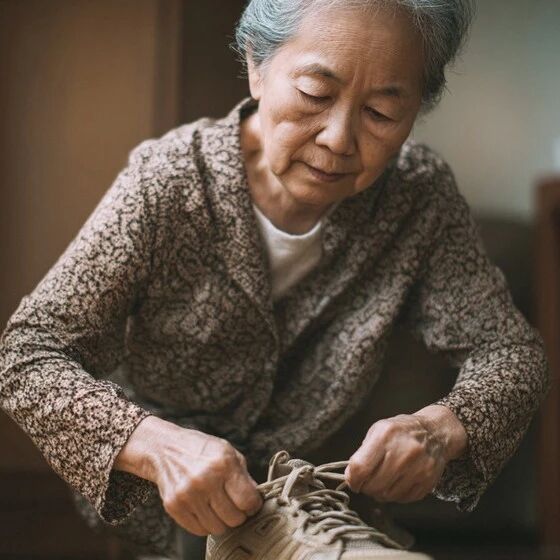
一双围剿乡村老年人的智能鞋
Xin Lang Cai Jing· 2025-10-17 11:11
Core Insights - The article discusses the rise of a deceptive business model targeting elderly individuals in rural areas, particularly through the sale of a so-called "smart shoe" that claims to have health benefits and advanced technology [1][20] - The business model resembles a multi-level marketing scheme, where participants are encouraged to invest in inventory and recruit others, leading to a cycle of financial loss for many [8][23] Group 1: Business Model and Operations - The "smart shoe" brand, referred to as "某力宝," is marketed with claims of advanced technology, including biological electricity and 5G chips, and is sold at prices starting from 398 yuan [1][9] - In a rural town near Hangzhou, over 100 elderly individuals pooled 5 million yuan to open a store selling these shoes, with each investor contributing 30,000 to 40,000 yuan [1][3] - The sales strategy involves a tiered system where participants can become "shareholders" by purchasing varying quantities of shoes, with higher investments yielding greater discounts and profit margins [5][6] Group 2: Market Dynamics - The elderly shoe retail market in China has expanded significantly, surpassing 800 billion yuan in 2023, accounting for approximately 17% of the entire industry [9][10] - Established brands like 足力健 and 舒悦 are also entering the elderly shoe market, indicating a competitive landscape [10] - Unlike traditional shoe retailers that rely on straightforward sales tactics, the "smart shoe" sellers employ complex marketing strategies to convince elderly customers of the product's value [11][12] Group 3: Consumer Behavior and Impact - Many elderly individuals are drawn into this scheme due to fear of illness and death, making them susceptible to marketing tactics that exploit these fears [1][16] - The article highlights personal stories of elderly individuals who invested heavily in the shoes, often influenced by family members or peers, leading to financial distress [17][19] - The marketing approach includes offering free incentives, such as food during promotional events, to create a sense of legitimacy and trust among potential investors [17][18] Group 4: Regulatory and Ethical Concerns - The company behind "某力宝" has changed its name multiple times to evade scrutiny, indicating a lack of accountability and transparency [20][21] - The article raises concerns about the safety of the products being sold, particularly the accompanying electric massage devices, which could pose health risks if misused [15] - The narrative suggests that the elderly participants often do not recognize the scheme as a form of exploitation, viewing their losses as mere entrepreneurial failures rather than a scam [23]