梅花鹿相关产品

Search documents
焦点访谈|典型案例通报、记者实地调查 剖析债台高筑的“政绩工程”
Yang Shi Wang· 2026-01-28 13:34
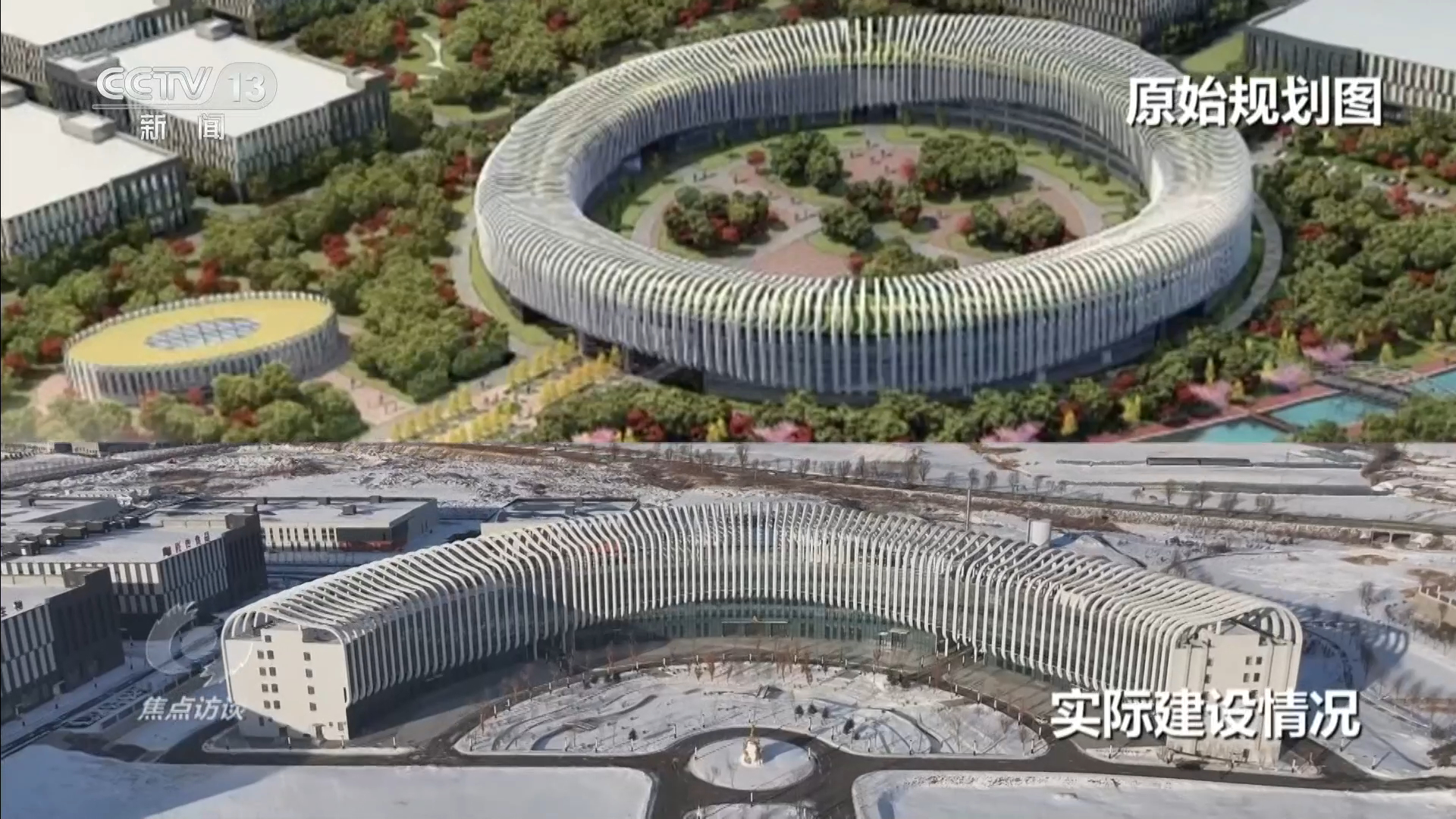
Core Viewpoint - The investment project in Dongfeng County, Jilin Province, aimed at developing a comprehensive innovation and entrepreneurship park, has been criticized for being a "performance project" driven by local officials, leading to significant financial mismanagement and underperformance [1][24]. Group 1: Project Overview - The Dongfeng International Sika Deer Industry Investment Park was planned to include multiple facilities such as industrial buildings, standardized factories, and a museum, with a total investment of 2.6 billion yuan [3][7]. - The project was expected to be completed in three phases by 2024, but significant delays and incomplete constructions have been reported, with only partial structures built [3][11]. Group 2: Financial Issues - The project required a total investment of 2.6 billion yuan, with the first phase needing nearly 600 million yuan; however, funding issues arose after initial investments, leading to project stoppages [11][13]. - Local government had to apply for 200 million yuan in special government bonds to cover funding gaps, indicating a lack of financial planning and reliance on external funding sources [11][20]. Group 3: Economic Viability and Challenges - The feasibility report claimed reliable funding sources, but the reality showed significant discrepancies, with the project failing to attract sufficient tenants and generate expected revenues [15][22]. - The local government projected an annual output value of 10 billion yuan upon completion, but the actual performance has fallen short, raising concerns about the project's economic viability [17][24]. Group 4: Lessons Learned - The project has been characterized as a "performance project" that did not align with local economic realities, leading to financial burdens on the county's budget [24]. - Local officials have acknowledged the need for more prudent project planning and execution, emphasizing the importance of aligning development projects with actual capabilities and resources [24].