
政绩工程

Search documents
搞劳民伤财的“政绩工程”,原云上贵州董事长徐昊,被双开!
Xin Lang Cai Jing· 2026-02-14 05:35
Core Viewpoint - The investigation into Xu Hao, former Secretary of the Party Committee and Chairman of Yunshang Guizhou Big Data (Group) Co., Ltd., reveals serious violations of discipline and law, leading to significant penalties and legal actions against him [1][2][3]. Group 1: Investigation Findings - Xu Hao lost his ideals and beliefs, deviated from his original mission, and ignored the spirit of the Central Eight Regulations, leading to significant national losses through wasteful "performance projects" [1][2]. - He accepted gifts and invitations that could influence the impartial execution of his duties, failed to perform his responsibilities correctly, and violated national laws and regulations, constituting job-related misconduct [1][2]. - Xu Hao engaged in corrupt practices, including power-for-money transactions, using his position to assist others in project contracting, company formation, and land bidding, while illegally accepting large sums of money [1][2]. Group 2: Disciplinary Actions - Xu Hao's actions constituted severe violations of the Central Eight Regulations and work discipline, and he is suspected of bribery, with a serious nature and adverse impact, warranting strict punishment [3]. - The Guizhou Provincial Commission for Discipline Inspection decided to expel Xu Hao from the Party and remove him from public office, terminate his qualifications as a representative of the 13th Guizhou Provincial Congress, and confiscate his illegal gains [3]. - His case has been referred to the judicial authorities for legal prosecution, along with the related assets [3].
小县城年财政收入不过三四亿,何以敢举债超七亿上项目?
Sou Hu Cai Jing· 2026-02-05 14:39
Group 1 - The core issue revolves around a small county's decision to incur over 700 million in debt for projects despite having an annual fiscal revenue of only 300 to 400 million, raising questions about accountability and financial sustainability [1] - The projects, such as a museum and factory, are significantly delayed, with the museum reportedly nonexistent, leading to concerns about who will ultimately bear the financial burden of the 760 million special bonds [1][2] - The underlying problem is identified as a misguided performance-driven approach, where projects are pursued for personal gain rather than genuine public benefit, indicating a failure in governance and long-term planning [2] Group 2 - The ease with which such large projects are initiated suggests systemic loopholes and backdoor processes that undermine regulatory oversight [3] - There is a call for a more robust evaluation mechanism for projects, particularly those labeled as "performance projects," to assess their potential returns and risks effectively [4] - Beyond accountability for responsible individuals, there is a suggestion that economic penalties or compensations could be implemented to deter reckless financial decisions in the future [5]
年入三四亿的县城,为“政绩工程”举债超7亿
Sou Hu Cai Jing· 2026-01-29 07:57
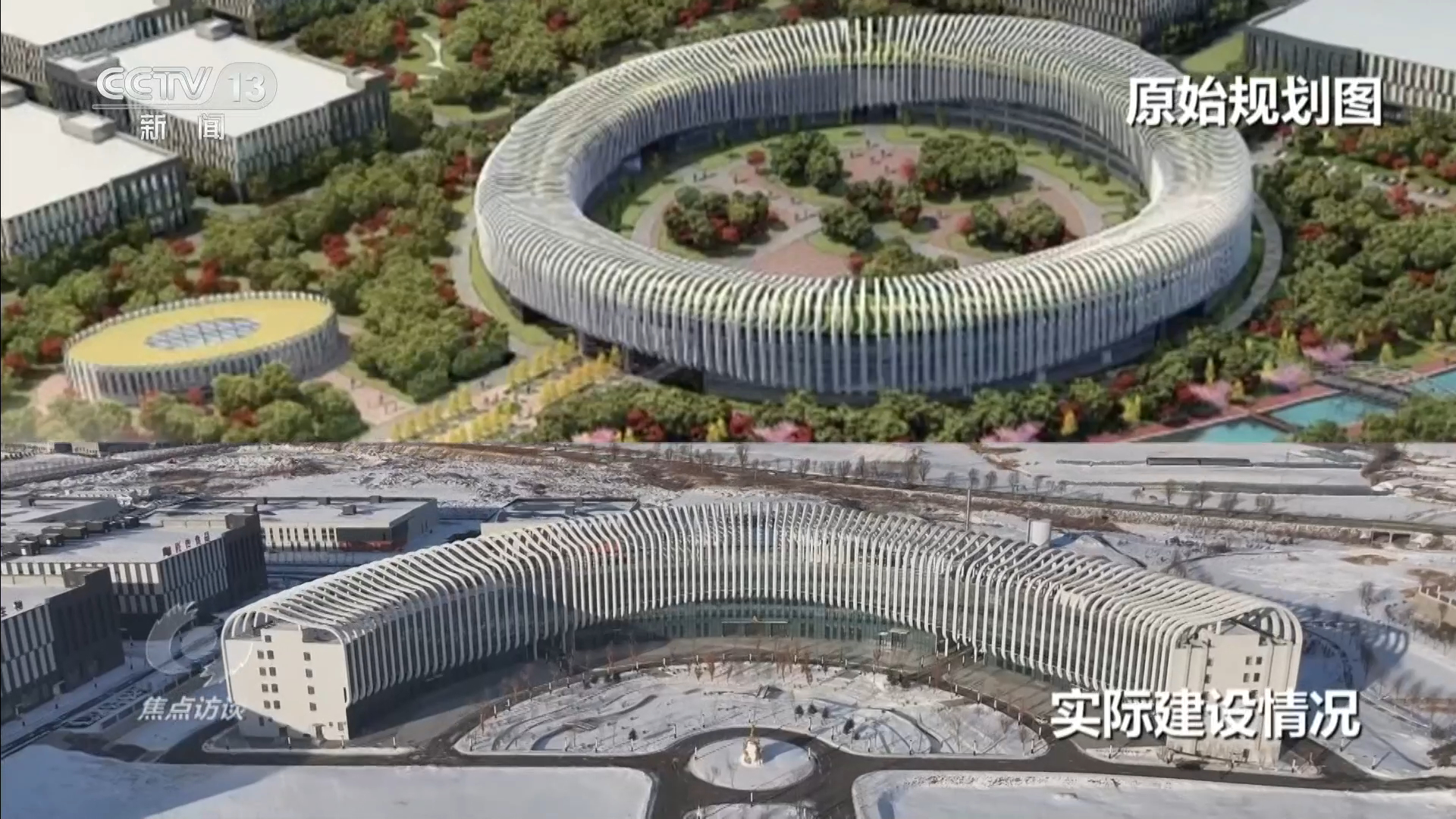
Core Viewpoint - The investment project in Dongfeng County, Jilin Province, aimed at developing a deer industry innovation park, has been criticized for being a "performance project" driven by local officials, leading to significant financial mismanagement and construction delays [1][25]. Group 1: Project Overview - The Dongfeng International Deer Industry Innovation Park was initiated with a total investment requirement of 26 billion yuan, with the first phase alone needing nearly 6 billion yuan [10]. - The project was expected to be completed in three phases by 2024, including multiple buildings and facilities, but significant delays have occurred, with only partial construction completed as of now [6][8]. Group 2: Financial Issues - The project faced severe funding shortages, leading to the local government applying for 2 billion yuan in special government bonds to cover the funding gap [4][13]. - After a year of halted construction, the project was only able to complete the first phase by the end of 2022, with further phases requiring additional funding and facing ongoing financial challenges [13][15]. Group 3: Economic Viability - The feasibility study for the project was criticized for exaggerating potential revenues and underestimating risks, which contributed to the project's financial difficulties [18][25]. - The expected annual output value of 10 billion yuan was based on optimistic assumptions about attracting large enterprises, which have not materialized, leading to difficulties in attracting tenants [22][20]. Group 4: Government Oversight and Accountability - The project has been flagged by the Jilin Provincial Inspection Team for being a misaligned performance project that does not meet local economic realities, resulting in significant financial burdens on the county [25][27]. - The local government's reliance on debt financing without adequate planning has raised concerns about fiscal sustainability, with the debt level exceeding the county's annual revenue [25][24].

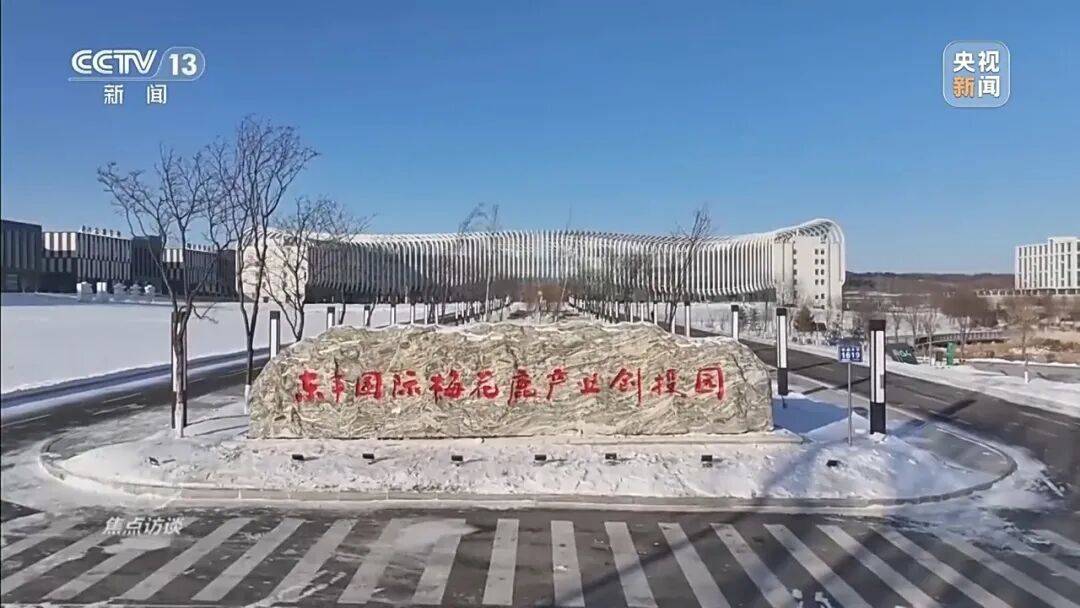
焦点访谈|典型案例通报、记者实地调查 剖析债台高筑的“政绩工程”
Yang Shi Wang· 2026-01-28 13:34
Core Viewpoint - The investment project in Dongfeng County, Jilin Province, aimed at developing a comprehensive innovation and entrepreneurship park, has been criticized for being a "performance project" driven by local officials, leading to significant financial mismanagement and underperformance [1][24]. Group 1: Project Overview - The Dongfeng International Sika Deer Industry Investment Park was planned to include multiple facilities such as industrial buildings, standardized factories, and a museum, with a total investment of 2.6 billion yuan [3][7]. - The project was expected to be completed in three phases by 2024, but significant delays and incomplete constructions have been reported, with only partial structures built [3][11]. Group 2: Financial Issues - The project required a total investment of 2.6 billion yuan, with the first phase needing nearly 600 million yuan; however, funding issues arose after initial investments, leading to project stoppages [11][13]. - Local government had to apply for 200 million yuan in special government bonds to cover funding gaps, indicating a lack of financial planning and reliance on external funding sources [11][20]. Group 3: Economic Viability and Challenges - The feasibility report claimed reliable funding sources, but the reality showed significant discrepancies, with the project failing to attract sufficient tenants and generate expected revenues [15][22]. - The local government projected an annual output value of 10 billion yuan upon completion, but the actual performance has fallen short, raising concerns about the project's economic viability [17][24]. Group 4: Lessons Learned - The project has been characterized as a "performance project" that did not align with local economic realities, leading to financial burdens on the county's budget [24]. - Local officials have acknowledged the need for more prudent project planning and execution, emphasizing the importance of aligning development projects with actual capabilities and resources [24].
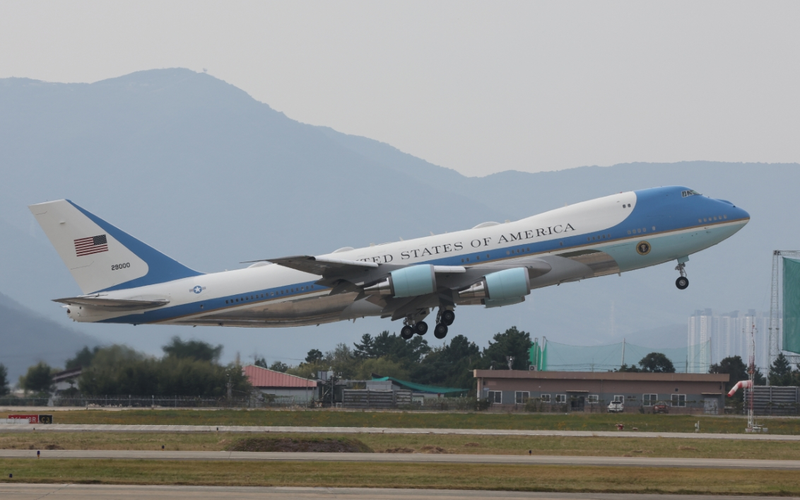
新“空军一号”再延期,特朗普“鸟枪换炮”愿望又要落空
Xin Jing Bao· 2025-12-15 05:21
Group 1 - The delivery of the new Air Force One, built by Boeing, has been delayed again, now expected in mid-2028, which is four years later than the original schedule [2][4] - The new Air Force One project is significant for Trump, who personally negotiated with Boeing and designed its color scheme, but the delays may prevent him from using it before his term ends in January 2029 [2][3] - Boeing's delays are attributed to severe financial losses, with the project reportedly costing the company $2.4 billion, exacerbated by aggressive pricing from the White House [5][6] Group 2 - The current Air Force One has been in service since 1990, and the decision to build a new one was made in 2015, with Boeing 747-8 selected as the platform [3] - The new Air Force One is expected to have enhanced defensive capabilities, improved communication systems, and upgraded living facilities, with costs for certain features, like the refrigerator, significantly higher than the previous model [3][4] - Boeing has faced operational challenges, including the fallout from the 737-MAX incidents, which have diverted resources and attention away from the new Air Force One project [6][7] Group 3 - Political factors have also influenced the project, with changes in administration affecting design choices and project timelines, as seen with Biden reverting the color scheme to traditional blue and white [8][9] - The political climate has led to increased scrutiny and potential delays in staffing for the project, as loyalty checks have been implemented under Trump's second term, impacting the availability of qualified personnel [8][9] - The combination of political cycles, Boeing's financial struggles, and the overall decline of the U.S. aerospace industry has contributed to the ongoing delays in the new Air Force One's delivery [9]

执意拍板上项目致2230万打水漂的县委书记,有新消息
Xin Jing Bao· 2025-08-05 19:39
Core Points - The case of Chen Hua, former deputy mayor of Hezhou City, Guangxi, has been transferred to the prosecution for alleged bribery [1][5] - Chen Hua's involvement in the failed tourism projects in Fuchuan County has raised concerns about mismanagement and misuse of public funds [2][4] Group 1: Allegations and Investigations - Chen Hua is accused of leveraging his official positions to gain illegal benefits and accepting substantial bribes [1][5] - The Guangxi Autonomous Region's supervisory committee concluded the investigation and referred the case to the prosecution [1] - The prosecution has informed Chen Hua of his legal rights and has begun formal proceedings against him [1] Group 2: Project Mismanagement - In 2017, Chen Hua approved tourism projects in Fuchuan County without adequate risk assessment, leading to financial losses [2] - The total investment for the "Water Show" and "Light Festival" projects was over 22.3 million [2] - Both projects ceased operations within a year due to poor financial performance, resulting in significant public discontent [2] Group 3: Disciplinary Actions - Chen Hua was expelled from the Communist Party and removed from public office due to severe violations of party and governmental regulations [4][5] - His actions included accepting gifts and engaging in corrupt practices, which were deemed detrimental to public interests [4][5] - The disciplinary measures were approved by the regional party committee and included confiscation of illegal gains [5]
岂能指望“政绩工程”出政绩
Guang Zhou Ri Bao· 2025-06-27 12:07
Group 1 - The core issue highlighted is the detrimental impact of "performance projects" initiated by local officials, which prioritize personal gain over genuine community development [2][3] - The case of Du Yibao, a former village official, illustrates the consequences of such misguided initiatives, resulting in significant financial losses for the community [1] - The distinction between genuine achievements and "performance projects" is emphasized, with the latter often leading to wasteful spending and corruption [2][3] Group 2 - "Performance projects" not only divert funds from essential economic development and public welfare but also exacerbate the financial burden on citizens [3] - The prevalence of "performance projects" is linked to the abuse of power and corruption among officials, as seen in the case of Du Yibao, who faced multiple disciplinary issues [3] - True performance should be measured by the tangible benefits provided to the community, rather than superficial projects aimed at personal advancement [3]
大手笔投资切勿“半拉子”收尾
Jing Ji Ri Bao· 2025-06-24 22:10
Core Viewpoint - The revised regulations emphasize the prohibition of wasteful "image projects" and "performance projects," aiming to prevent significant decision-making errors that lead to severe waste [1] Group 1: Issues with Current Projects - There is a persistent issue with "half-finished projects" that result from insufficient funding, incomplete procedures, and a disconnect between planning and implementation, leading to wasted resources and economic losses [1][2] - Examples of failed projects include museums becoming storage facilities, abandoned specialty town projects, and luxury charging stations in remote areas lacking proper grid support [1] Group 2: Underlying Problems - The prevalence of "half-finished projects" may be linked to corruption and poor work ethics, with some officials focusing on creating eye-catching projects for personal gain rather than genuine community benefit [2] - A short-sighted and profit-driven mindset contributes to the ongoing issues, highlighting the need for a long-term approach to project management and community welfare [2] Group 3: Solutions and Recommendations - Addressing "half-finished projects" requires comprehensive strategies, including thorough investigations into underlying issues and establishing accountability systems for major projects [2] - Emphasis on improving the entire lifecycle management of government investments, ensuring feasibility studies are conducted, and enhancing supervision during construction and operation phases [2] - Existing "half-finished projects" should be revitalized by repurposing unused resources to better serve community needs, such as converting idle office buildings into training centers [3]
厉行节约反对浪费 令行禁止要靠监督
Nan Fang Du Shi Bao· 2025-05-19 15:42
Core Viewpoint - The revised "Regulations on Strict Economy and Opposition to Waste in Party and Government Agencies" aims to address new issues of extravagance and waste, enhancing management mechanisms to ensure that government agencies practice frugality while improving the lives of citizens [1] Group 1: Regulations and Guidelines - The new regulations provide specific guidelines on wasteful behaviors, particularly in the area of official receptions, mandating strict adherence to standards for accommodation, meals, and transportation costs [1] - The regulations emphasize that work meals should not include high-end dishes, cigarettes, or alcohol, reflecting a significant shift in public expectations regarding government spending [2] Group 2: Public Reception and Spending - There is a growing public demand for stricter regulations on official receptions, highlighted by reports of excessive spending on receptions by local government departments [2] - The case of Guizhou Moutai's shareholder meeting, which replaced traditional alcoholic beverages with a non-alcoholic drink, illustrates a corporate response to the new regulations [2] Group 3: Decision-Making and Accountability - The regulations stress the importance of correct performance views among leaders, prohibiting wasteful "image projects" and emphasizing the need for rational decision-making to prevent significant financial losses [3] - Examples of past mismanagement, such as the construction of unnecessary projects leading to substantial debt, underscore the need for accountability in government spending [3] Group 4: Implementation and Supervision - The regulations call for frugality in evaluation and recognition activities, prohibiting debt accumulation for such initiatives [4] - The challenge remains in ensuring that these regulations are actionable and that supervision is effective in curbing wasteful practices [4]