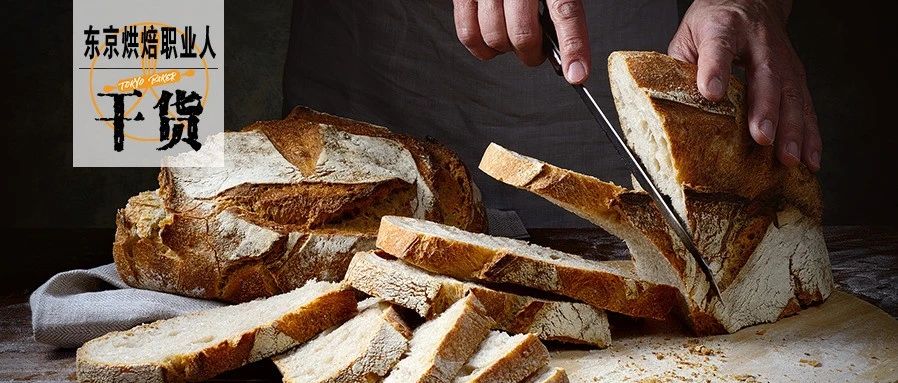
法棍(法式面包)

Search documents
用老面法做面包有什么优势?一文直观对比老面法和中种法、直接揉面法优劣!
东京烘焙职业人· 2025-05-30 21:37
Core Viewpoint - The article discusses the "old dough method" in bread making, comparing it with other methods like the "intermediate dough method" and "direct method," highlighting its advantages and applications in the baking industry [1][3][5]. Group 1: Old Dough Method Overview - The old dough method involves using a pre-fermented dough as part of the new dough, making it one of the easiest fermentation methods to master [3]. - It is classified as a "fermentation starter method" alongside the intermediate and liquid dough methods due to its use of fermented dough [5]. - The key difference between the old dough method and the intermediate dough method is whether a fully fermented dough is included as an ingredient [6]. Group 2: Comparison with Other Methods - The intermediate dough method uses flour, yeast, and water to create a fermentation intermediary, while the old dough method uses leftover dough from previous baking [7]. - The old dough method can produce tastier bread compared to the intermediate dough method, which often results in less flavorful bread [7]. - The fermentation strength of the old dough is generally lower, serving more as a flavor enhancer rather than a primary fermentation agent [9]. Group 3: Practical Applications - The old dough method is commonly used to minimize waste in bakeries by incorporating leftover dough into new batches [11]. - In European bakeries, it is frequently employed for making crusty breads like baguettes, allowing for shorter fermentation times compared to the direct method [13]. - Adding about 20% of old dough can effectively reduce fermentation time while maintaining flavor complexity [14]. Group 4: Advantages and Disadvantages - Advantages include enhanced fermentation flavor, reduced fermentation time, and the ability to utilize leftover dough [19]. - Disadvantages involve the need for some mixing to incorporate the old dough evenly, making it unsuitable for no-knead bread methods [18]. Group 5: Experimental Insights - A special experiment using 60% old dough showed that higher proportions lead to stronger dough texture and fermentation power compared to the direct method [22]. - The old dough method results in a stronger gluten structure due to the oxidation process during cold storage [24]. - The final product from the old dough method tends to have a higher volume and better gas retention, leading to a more substantial appearance [28]. Group 6: Flavor and Aroma - Bread made with the old dough method may have a milder crust aroma but a richer internal fermentation scent due to deeper fermentation [30]. - The color of the bread is often lighter, which can correlate with reduced aroma intensity due to less sugar available for the Maillard reaction [27]. Conclusion - The old dough method is a straightforward fermentation technique that can enhance flavor and efficiency in bread making, recommended for bakers to explore its benefits [31].