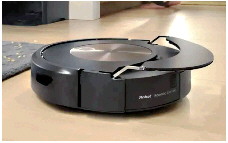
活水滚筒扫地机器人

Search documents
扫地机器人“鼻祖”谢幕,中国品牌占据C位
Qi Lu Wan Bao· 2026-02-13 11:30
Core Viewpoint - The global smart cleaning industry is undergoing a historic transformation, with Chinese brands dominating the market following the decline of iRobot, the pioneer of robotic vacuum cleaners [1][6]. Group 1: Market Dynamics - iRobot, once holding over 80% market share at its peak, has seen its share plummet to 7.9% by Q3 2025, with total liabilities reaching $508 million and cash flow nearly depleted [1]. - Chinese brands such as Ecovacs, Roborock, and others have captured over 65% of the global market share, with significant presence in various regions, including the U.S. and Europe [2][6]. - The online sales revenue of China's robotic vacuum industry reached 16.6 billion yuan in the first ten months of 2025, marking a 17% year-on-year increase [2]. Group 2: Technological Advancements - The industry has evolved from basic cleaning functions to incorporating AI and embodied intelligence, allowing products to understand complex user intentions [3][4]. - Innovations such as the "active water roller" technology have addressed core cleaning issues, with the market for these products expected to exceed 80% share by 2026 [3]. Group 3: Cross-Industry Expansion - Chinese brands are transitioning from single cleaning device manufacturers to comprehensive smart ecosystem enterprises, with companies like Roborock and Ecovacs expanding into various home appliance categories [4][5]. - Roborock plans to launch a range of smart home products, including air conditioners and refrigerators, while Ecovacs is diversifying into window cleaning robots and air purifiers [5]. Group 4: Competitive Landscape - The entry of cross-industry players, such as DJI with its ROMO robotic vacuum, intensifies competition, indicating a shift from traditional home appliance logic to robotic logic [5][6]. - The ongoing competition is characterized by technological innovation and global capabilities, with Chinese brands leading in R&D investment and market adaptability [6].