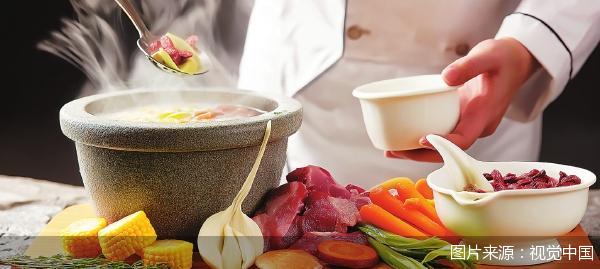
海鲜现场加工

Search documents
超市推火锅堂食再拼“餐饮+”
Bei Jing Shang Bao· 2025-12-23 16:04
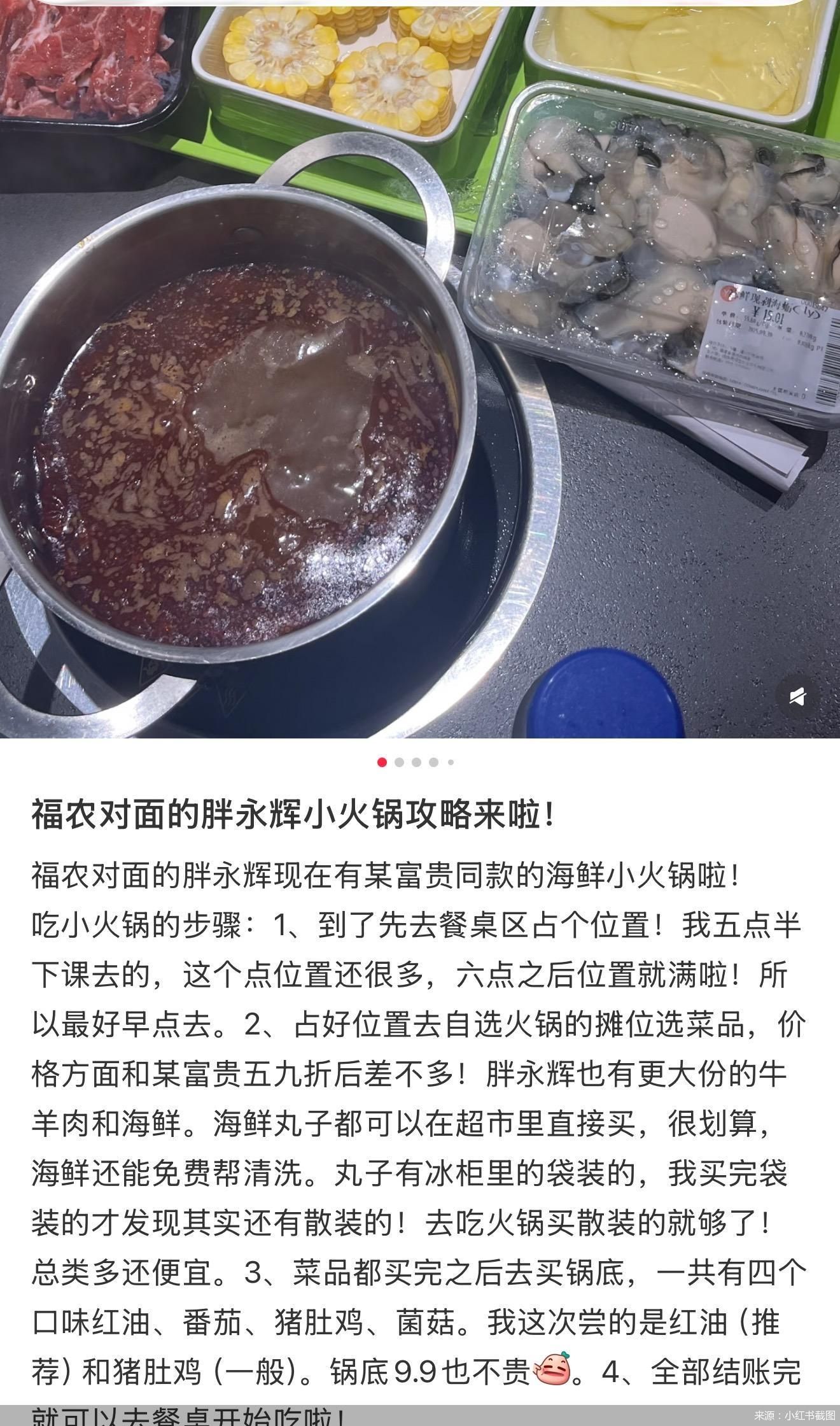
Core Insights - The retail transformation is cyclical, with supermarkets refocusing on in-store dining, particularly hot pot services, as a response to e-commerce and community fresh food competition [1][3] - Supermarkets are leveraging their fresh supply chain advantages to offer a full range of hot pot ingredients, indicating a shift in traditional supermarket strategies [1][4] Group 1: Hot Pot Offerings - Recent observations show that Hema and Yonghui supermarkets have launched hot pot dining options, with prices ranging from 78 to 88 yuan for set meals and 3 to 15 yuan per ingredient [3][5] - The introduction of self-service hot pot at Yonghui is currently limited to select locations, with a focus on enhancing the in-store dining experience [3][6] Group 2: Consumer Experience and Engagement - The shift from selling products to selling experiences is evident, as supermarkets seek to innovate and expand service boundaries [4][6] - The hot pot dining experience is seen as a way to attract customers back to physical stores, with potential for increased impulse purchases during visits [6][7] Group 3: Strategic Considerations - Supermarkets are advised to pilot their dining initiatives in high-traffic locations and focus on specific categories like hot pot to refine their models before broader implementation [7][8] - The success of this dining integration depends on metrics such as repeat purchase rates, overall sales growth, and supply chain efficiency [7][8] Group 4: Challenges and Opportunities - The integration of dining and retail operations presents both challenges and opportunities, requiring careful management of space and customer experience [8] - The hot pot segment is viewed as a promising area for growth, combining family dining and social interaction, but it also necessitates adaptation to flexible production and rapid response in product development [7][8]

超市跨界火锅堂食 盒马、永辉们的“餐饮化”竞争再起
Bei Jing Shang Bao· 2025-12-22 04:13
Core Insights - The retail industry is witnessing a resurgence in "dine-in" services as supermarkets like Hema and Yonghui introduce hot pot dining options, leveraging their fresh supply chain advantages to attract consumers [1][3] - This trend reflects a broader transformation in traditional supermarkets as they adapt to competition from e-commerce and community fresh food services [1][4] Group 1: Market Trends - Supermarkets are launching hot pot dining services with prices ranging from 78 to 88 yuan for set meals, while Yonghui offers self-service hot pot with ingredient pricing at various tiers [3] - The "dining+" strategy aims to reconnect supermarkets with consumers by integrating dining experiences into retail spaces, which has been positively received on social media [3][6] Group 2: Consumer Behavior - Consumers are increasingly seeking value and experiential dining, preferring lower prices than traditional restaurants while enjoying the interactive cooking experience [6] - The hot pot dining experience encourages additional purchases, as customers often buy drinks and snacks while dining, enhancing overall sales [5][8] Group 3: Operational Challenges - Supermarkets face challenges in merging retail and dining operations, requiring careful testing and specialized teams to manage product development and service [7] - The success of this dining model depends on key metrics such as repeat purchase rates, average transaction values, and overall sales growth from dining areas [8] Group 4: Future Opportunities - The integration of dining services may lead to customized supply chain developments, such as exclusive hot pot bases and pre-prepared dishes, creating opportunities for upstream suppliers [8] - Supermarkets must also consider the spatial design of dining and shopping areas to ensure a harmonious customer experience, addressing potential issues like noise and odors [8]