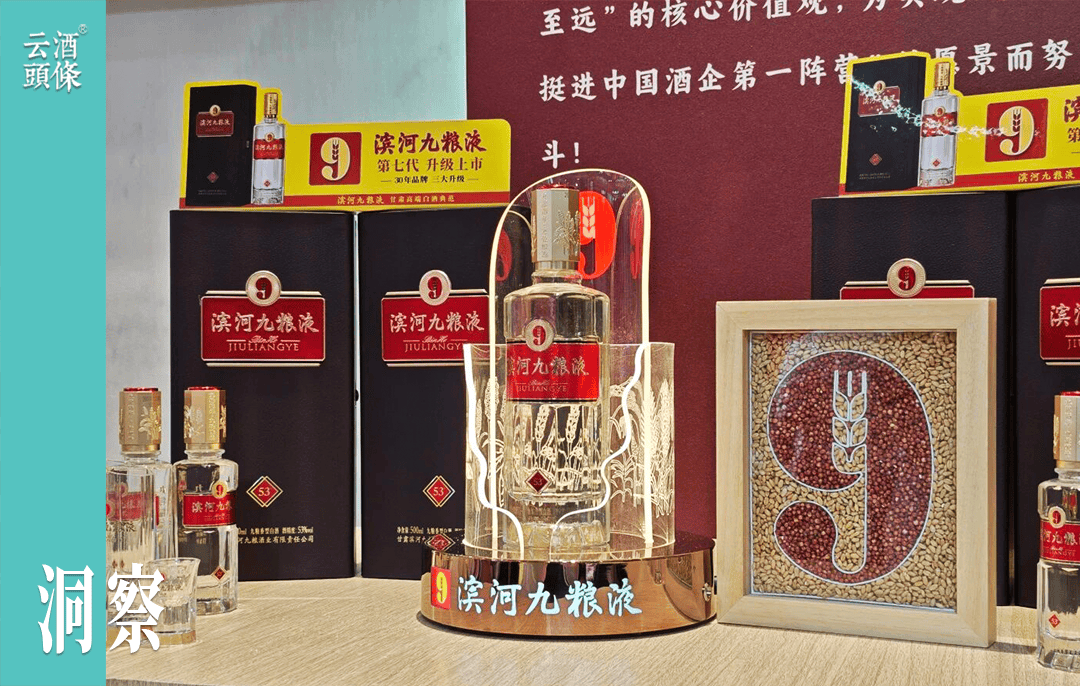
滨河九粮液

Search documents
复盘滨河集团的2025,“三好”酒企是如何炼成的?
Sou Hu Cai Jing· 2025-12-31 11:45
Core Insights - Binhe Group has established itself as a benchmark in the Chinese liquor industry, demonstrating high-quality growth driven by long-termism and technology [2][24] - The company achieved a brand value of 28.596 billion yuan, maintaining its position as the top liquor brand in Gansu for eight consecutive years [2] - In 2025, Binhe Group won 39 awards for its products and corporate achievements, showcasing its commitment to excellence [2] Brand and Reputation - Binhe Group's brand credibility has significantly improved, marking a comprehensive victory in brand reputation building in 2025 [3] - The company’s general manager, Xu Wenliang, received multiple accolades, highlighting her leadership in technological innovation and industry contributions [5] Awards and Recognition - The group successfully passed the review for the Gansu Provincial Government Quality Award, extending this honor for a third five-year term [6] - Binhe Group ranked among the top 100 liquor companies in China for 2024, solidifying its position as a key player in the industry [6] Product Excellence - Binhe Group's core products excelled in international competitions, winning the Grand Gold Medal at the 2025 Spring International Spirits Awards in France, among other accolades [8] - The company’s products have collectively won over 10 gold medals in prestigious international competitions, affirming their quality on a global scale [8] Cultural Engagement - The company successfully integrated its brand into public life through cultural events, such as the "Binhe Jiuliang Spring King Championship," which attracted over 40,000 participants and reached nearly 3 million people [9] - Exclusive tasting events, such as the "Jiuliang Banquet," enhanced the brand's reputation among elite circles [10] Product Strategy - Binhe Group implemented a dual strategy of upgrading flagship products and launching new strategic products, demonstrating effective execution in a diverse consumer market [11] - The fifth-generation upgrade of the flagship product "Binhe Jiuliang Chun" emphasizes quality and brand identity while introducing a premium version without increasing prices [13] Technological Innovation - The company invested heavily in technological innovation and production capacity, laying a solid foundation for long-term competitiveness [14] - Collaborative research with Sichuan University has led to breakthroughs in molecular brewing, enhancing the understanding of flavor profiles in Jiuliang liquor [17] - The introduction of new artificial cellar mud technology aims to improve production efficiency by increasing the yield of quality liquor by 5% [20] Industry Standards - Binhe Group led the establishment of the "Jiuliang Liquor" group standard, officially recognized by the state, granting the company significant authority in defining this liquor category [22] Future Development - The construction of a 1.203 billion yuan Jiuliang liquor industrial park is a clear indication of Binhe Group's ambitious future plans, with an annual production capacity of 20,000 tons expected to be operational by the end of the year [22]

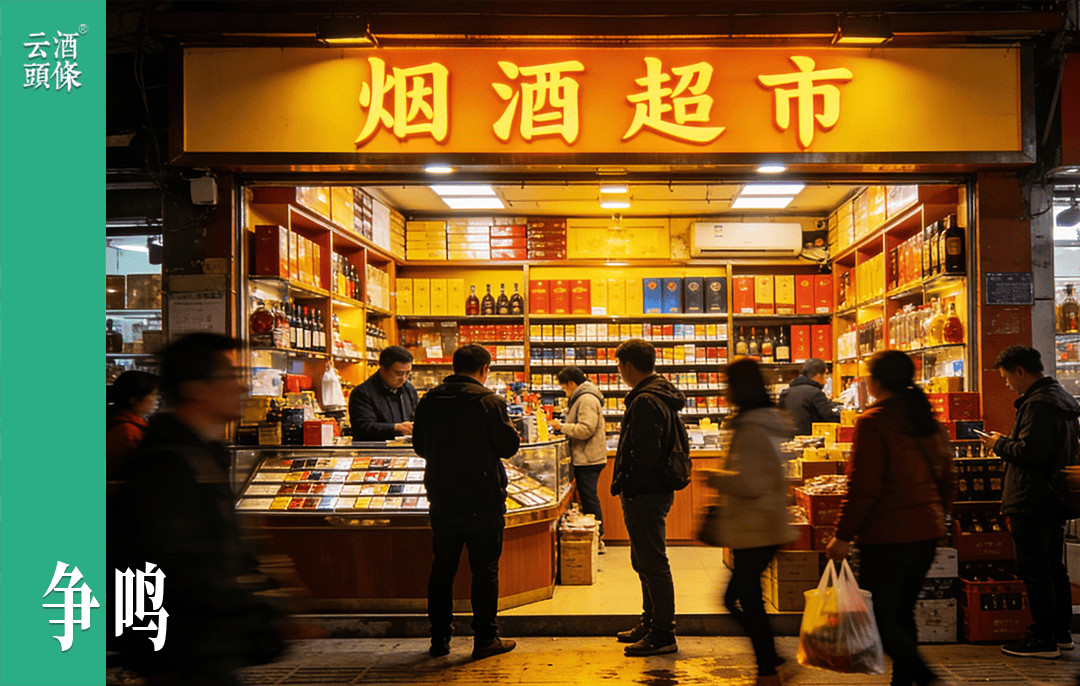
终端豹变,供需两线变一线丨林枫谈2026①
Sou Hu Cai Jing· 2025-12-19 08:51
Core Insights - The industry is experiencing a contraction, necessitating a shift in mindset and resource allocation to adapt to the current economic climate and develop new capabilities [2][21] - Companies that have successfully anticipated market changes and upgraded their marketing strategies have shown growth, even in a challenging environment [2][3] Group 1: Industry Challenges - The traditional supply-demand model is becoming unbalanced due to environmental changes, leading to inefficiencies in resource allocation and marketing strategies [3] - The decline in consumption and fragmented media has disrupted the effective cultivation of consumer demand, resulting in unsold products and wasted investments [3][4] Group 2: Marketing Evolution - The industry has responded by increasing experiential marketing efforts, such as tasting events and brand experiences, but these efforts often fail to create effective brand narratives [4] - The outdated transactional model in the industry limits the potential of retail channels, particularly in the context of evolving consumer expectations [5][6] Group 3: Retail Channel Dynamics - The emergence of influential retail channels, particularly smoke shops, has transformed the marketing function, allowing for a more integrated supply-demand relationship [5][6] - Retailers are becoming pivotal in brand promotion and consumer trust, with their influence directly impacting product success in local markets [6][7] Group 4: Transactional Model Issues - The current transactional model leads to price confusion and undermines retailer motivation, creating a detrimental cycle for both manufacturers and retailers [7] - Multiple distributors for a single product create market chaos, harming the overall sales environment [7] Group 5: Strategic Recommendations - Companies need to shift their focus from traditional transaction-based models to a more integrated approach that emphasizes brand value and consumer engagement [21] - Implementing systematic changes in marketing strategies, including the use of digital tools and enhanced retailer relationships, is essential for future success [8][21]