滴滴Robotaxi R2

Search documents
我们乘坐了一次滴滴Robotaxi,这是全程实录
21世纪经济报道· 2026-03-18 09:56
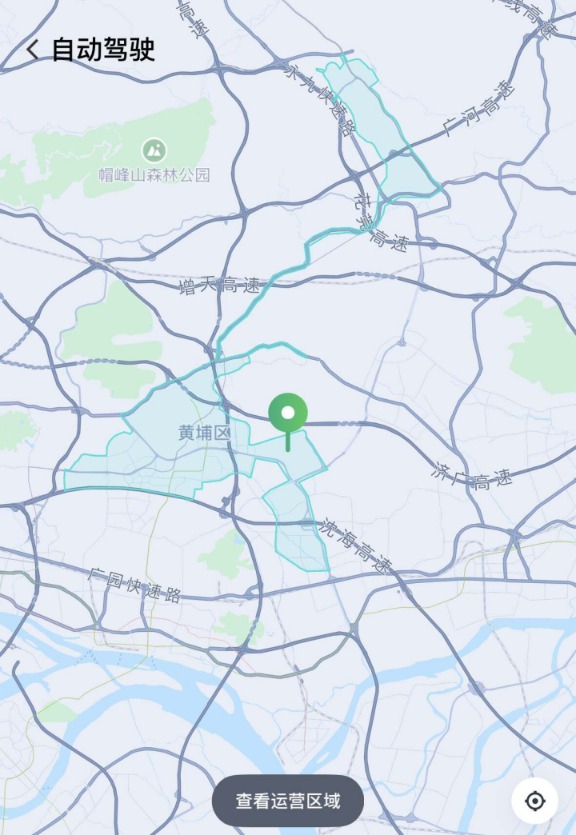
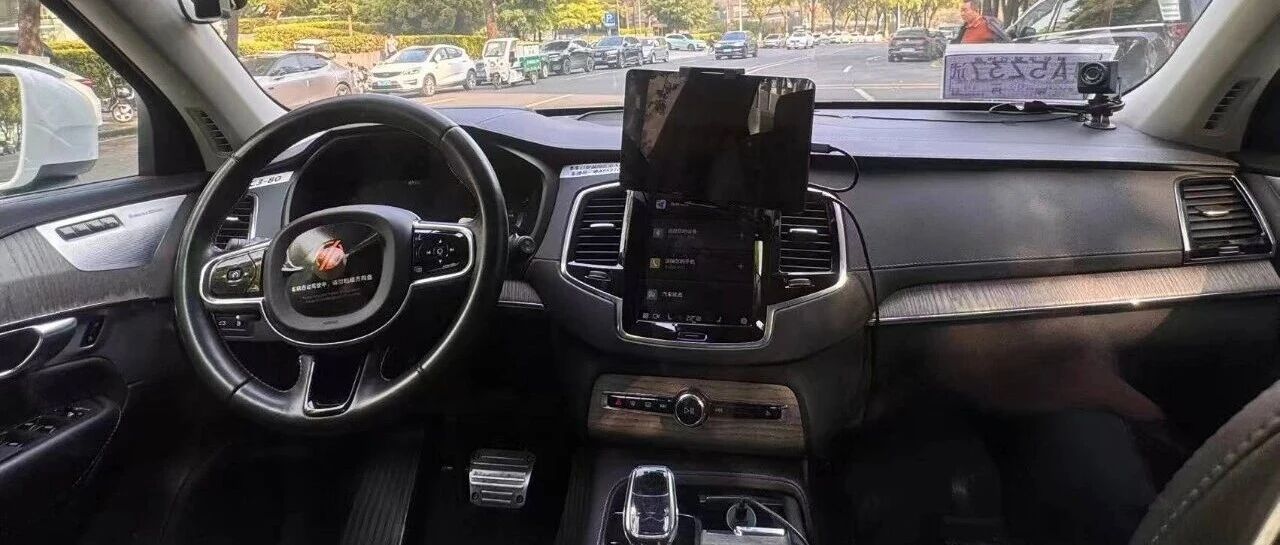
Core Viewpoint - Didi Autonomous Driving and GAC Aion have jointly developed the new generation Robotaxi R2, which has received road testing licenses in Beijing and Guangzhou, marking a significant step in validating its autonomous driving capabilities in complex urban environments [1][33]. Group 1: Robotaxi Deployment and Operations - The Robotaxi R2 is set to begin delivery in January 2026, with plans for phased demonstration operations in cities like Guangzhou and Beijing [1]. - The trial operation area for Didi's Robotaxi in Guangzhou covers a range from Guangbao Road to Yuyan Road, providing all-day service [3][4]. - Users can request a Robotaxi through two methods in the Didi app: directly from the "autonomous driving" section or by entering a destination within the trial area, which will then show the "autonomous driving" option [5][6]. Group 2: User Experience and Vehicle Features - The app displays recommended pick-up points, typically located near residential areas, subway stations, or shopping centers, with estimated wait times of 5 to 10 minutes [9]. - The Robotaxi features a screen between the front seats for passenger interaction, displaying real-time environmental awareness, including nearby vehicles, pedestrians, and traffic signals [13][18]. - Passengers can modify their destination within the app, with a limit of two changes per trip, and the vehicle autonomously seeks a suitable drop-off point while avoiding restricted areas [15][19]. Group 3: Driving Style and Safety - The driving style of Didi's Robotaxi is characterized as "smooth," with proactive maneuvers such as early lane changes and gentle stops to ensure passenger safety [22][24]. - The vehicle effectively navigates complex traffic scenarios, including sudden appearances of pedestrians and non-motorized vehicles, demonstrating its predictive and adaptive capabilities [29][31]. - Didi's autonomous driving technology has matured significantly, with over 2000 days of safe operation in select areas of Beijing, Guangzhou, and Shanghai [33]. Group 4: Market Potential and Industry Outlook - According to Frost & Sullivan, the number of Robotaxis in China's first and second-tier cities is expected to reach 1.01 million by 2030, with a penetration rate of approximately 25% [33]. - The market size for related services is projected to reach 242.4 billion yuan by 2030, indicating substantial growth potential in the autonomous driving sector [33]. - The operational scope of Level 4 autonomous driving is expanding beyond closed testing areas to more complex urban environments, reflecting advancements in technology and increasing real-world applications [33].

我们乘坐了一次滴滴Robotaxi,这是全程实录
2 1 Shi Ji Jing Ji Bao Dao· 2026-03-18 08:51
Core Insights - Didi Autonomous Driving and GAC Aion have jointly developed the new generation Robotaxi R2, which has officially received a road testing license in Beijing, following its earlier approval in Guangzhou. This marks a significant step in validating the autonomous driving capabilities in complex urban environments [1] - The Robotaxi R2 is set to begin delivery in January 2026, with plans for phased demonstration operations in cities like Guangzhou and Beijing, integrating into broader urban transportation networks [1] - The autonomous driving sector is transitioning from technology development to large-scale implementation, with several companies beginning passenger operations in major cities [1] Company Operations - Didi's Robotaxi service in Guangzhou covers a designated area in Huangpu District, providing all-day service [1] - Users can request a Robotaxi through the Didi app via two methods: directly from the "autonomous driving" section or by entering a destination within the operational area, which allows for mixed orders with regular ride-hailing services [2][5] - The app displays recommended pick-up points, typically located near residential areas, subway stations, or shopping centers, with estimated wait times of 5 to 10 minutes [6][8] User Experience - The Robotaxi features a clean interior and includes a screen for passengers to input their phone number to start the ride, as well as real-time displays of the vehicle's surroundings [11][12] - Passengers can modify their destination within the app during the ride, with a limit of two changes per trip [13] - The vehicle's driving style is characterized as smooth and cautious, effectively handling complex traffic situations, such as avoiding pedestrians and cyclists [14][18] Industry Outlook - Didi has been developing autonomous driving technology since 2016, and the service has been operational in select areas of Beijing, Guangzhou, and Shanghai for over 2000 days without safety incidents [20] - According to Frost & Sullivan, the number of Robotaxis in China's first and second-tier cities is expected to reach 1.01 million by 2030, with a market penetration rate of approximately 25%. The market size is projected to reach 242.4 billion yuan [20] - The operational scope of Level 4 autonomous driving is expanding beyond closed testing areas to more complex urban environments, indicating a maturation of the technology [20][21]