漕舫船

Search documents
家在河边(遗产小道·运河上的中国)
Ren Min Ri Bao Hai Wai Ban· 2026-01-06 10:56
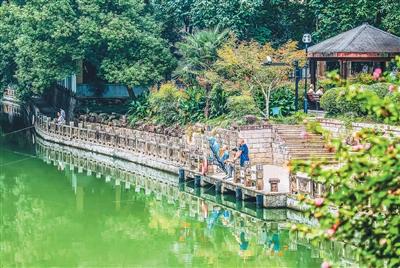
Core Viewpoint - The news highlights the cultural and ecological significance of the Grand Canal in Hangzhou, emphasizing its integration into the daily lives of residents and its role in promoting water sports and tourism [19]. Group 1: Cultural Significance - The Grand Canal is described as a vital cultural symbol that has shaped the lives and memories of the people living along its banks, fostering a deep connection between the community and the waterway [14][19]. - The transformation of old industrial sites along the canal into cultural spaces, such as the "Yunhe Tiandi" lifestyle square, showcases the blend of history and modernity, attracting both locals and tourists [9][10]. - Traditional performances, such as the storytelling at the "Daguang Baixing Shuchang," reflect the preservation of local culture and arts, enhancing community engagement [15][14]. Group 2: Ecological and Recreational Aspects - The continuous improvement of water quality in the Grand Canal has made it a popular spot for recreational activities, including fishing and water sports, contributing to a healthier lifestyle for residents [7][19]. - The introduction of ten urban waterways for water sports in Hangzhou, including kayaking and dragon boating, indicates a strategic move to promote outdoor activities and enhance the city's recreational offerings [19]. - Events like the "Grand Canal Kayak Marathon" celebrate the canal's cultural heritage while encouraging community participation in sports [21][23]. Group 3: Historical Context - The Grand Canal's historical significance is underscored by its role in connecting various regions and facilitating trade, which has been integral to the development of Hangzhou as a cultural and economic hub [8][14]. - The preservation of historical structures, such as ancient bridges and warehouses, serves as a reminder of the canal's rich history and its impact on local architecture and urban development [18][9]. - The narrative of the Grand Canal is intertwined with the lives of its residents, reflecting a shared history that continues to influence contemporary life in the region [19][11].