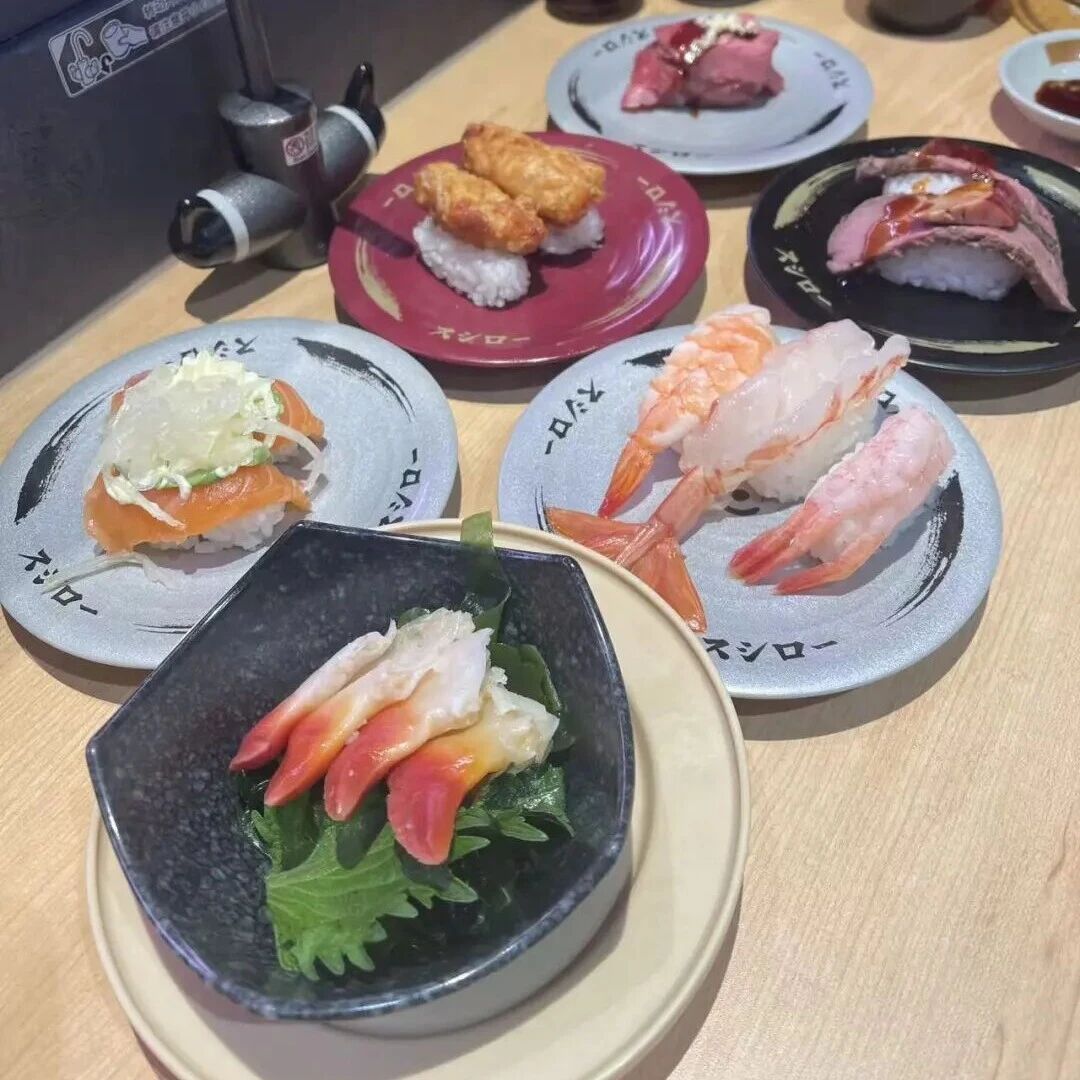
炙烤三文鱼寿司

Search documents
排队3000号、半年吸金25亿,这一“顶流网红”遇到考验
创业邦· 2026-03-11 04:43
Core Insights - The article discusses the rapid rise of affordable conveyor belt sushi brands in China, particularly Sushi Lang and Bin Sushi, which have become popular due to their low prices and high customer demand [6][8][19] - The sushi market in China is projected to grow significantly, with a market size of 690 billion yuan in 2024, expected to exceed 700 billion yuan in 2025, attracting numerous competitors [19] Market Dynamics - Affordable sushi brands have created a new consumer trend, with long queues and high demand, exemplified by customers waiting up to 10 hours for a meal [8][20] - The pricing strategy of these brands, with items like caramel foie gras sushi priced at 8 yuan and thick-cut salmon at 10 yuan, has made sushi accessible to a broader audience [9][11] Consumer Behavior - Consumers are drawn to the "superior cost-performance ratio" of affordable sushi, which allows them to enjoy sushi at a fraction of the cost of high-end restaurants [11][12] - Social media plays a significant role in promoting these brands, with trends like "stacking plates" becoming a form of social currency among younger consumers [12] Supply Chain and Cost Management - The success of affordable sushi brands is supported by local sourcing of ingredients, significantly reducing costs compared to imported products [14][15] - Sushi Lang has partnered with local suppliers to lower procurement costs, with local eel prices being half of those from Japan [14] Operational Efficiency - Innovations in service delivery, such as the introduction of a "sushi delivery line" and automated rice ball machines, have improved efficiency and reduced food waste [17] - The average wait time for meals has been reduced from 5 minutes to 3 minutes, enhancing customer experience [17] Challenges and Risks - The rapid expansion of sushi brands has led to concerns about quality control and customer experience, with reports of long wait times and food safety issues [20][21] - The reliance on low prices and high volume sales poses risks, especially if ingredient costs rise or if there are regulatory challenges [21][22] Competitive Landscape - The market is becoming increasingly crowded, with both established brands and new entrants competing for market share, leading to potential dilution of brand loyalty among consumers [19][20] - The sustainability of the current business model is questioned, as brands must balance low prices with quality and customer satisfaction to avoid losing market share [21][22]