
白族扎染

Search documents
非遗消费 上新走心
Sou Hu Cai Jing· 2026-02-19 00:20
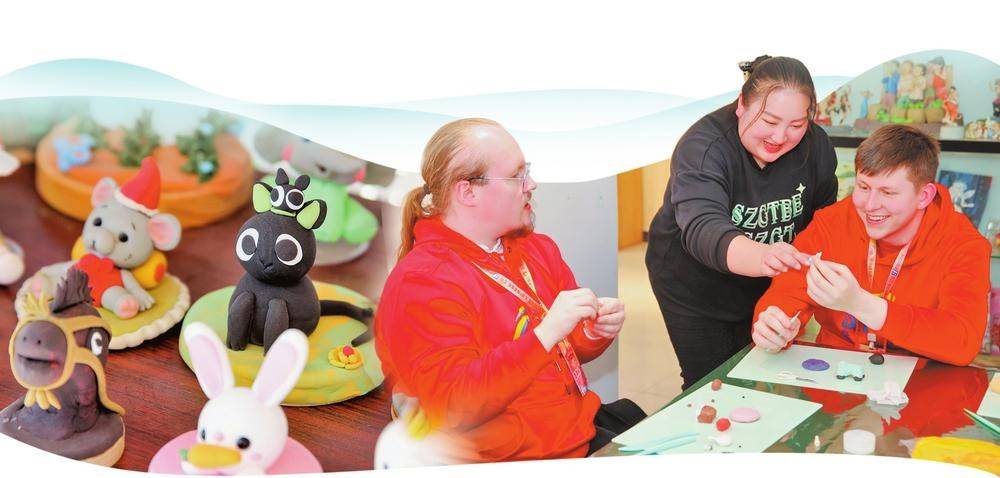
Group 1 - The core idea of the articles highlights the innovative integration of intangible cultural heritage (ICH) with modern consumer preferences, particularly targeting younger demographics in Yunnan [2][3] - By 2025, over 5.5 million people are expected to choose Yunnan for residence, driven by the appeal of "ICH + tourism" experiences [2] - The "Douyin Intangible Cultural Heritage Carnival" in Dali is set for November 2025, with a report indicating that over 6.5 billion intangible cultural heritage products were sold on Douyin e-commerce in the past year [3] Group 2 - The success story of Heqing silverware showcases the impact of digital transformation, with a 33% month-on-month increase in transactions and a 251% year-on-year growth in order volume [3] - The Dali Digital Heritage Box presents nine national-level ICH items through a digital format, enhancing user engagement with interactive features [3] - The transformation of traditional crafts, such as the creation of functional items from traditional "Wacat," reflects the emotional and practical needs of contemporary consumers [4]

好评中国|人间烟火暖人心,浓浓年味托起“稳稳的幸福”
Huan Qiu Wang· 2026-02-16 09:20
Group 1 - The article emphasizes the rich cultural significance of the Spring Festival, highlighting its evolution into a multi-faceted celebration that combines shopping, family visits, leisure, and cultural experiences [1] - Various regions are hosting vibrant markets and events that showcase local specialties and traditional crafts, enhancing the festive atmosphere and promoting community engagement [2] - The article notes the diverse cultural and tourism activities being organized across different provinces, aimed at enriching the festive experience and fostering a deeper connection to traditional customs [3] Group 2 - The importance of family connections during the Spring Festival is underscored, with traditional practices such as family reunions and shared meals being central to the celebration [4] - The article reflects on the emotional and cultural significance of traditional dishes prepared for the New Year, symbolizing hope and continuity in family traditions [4] - The narrative encourages maintaining family ties through communication, even when physical reunions are not possible, reinforcing the theme of love and connection during the festive season [4]
逛市集、赏非遗、买年货 来传统大集感受年味 在文化与烟火气中喜迎佳节
Yang Shi Wang· 2026-01-28 04:02
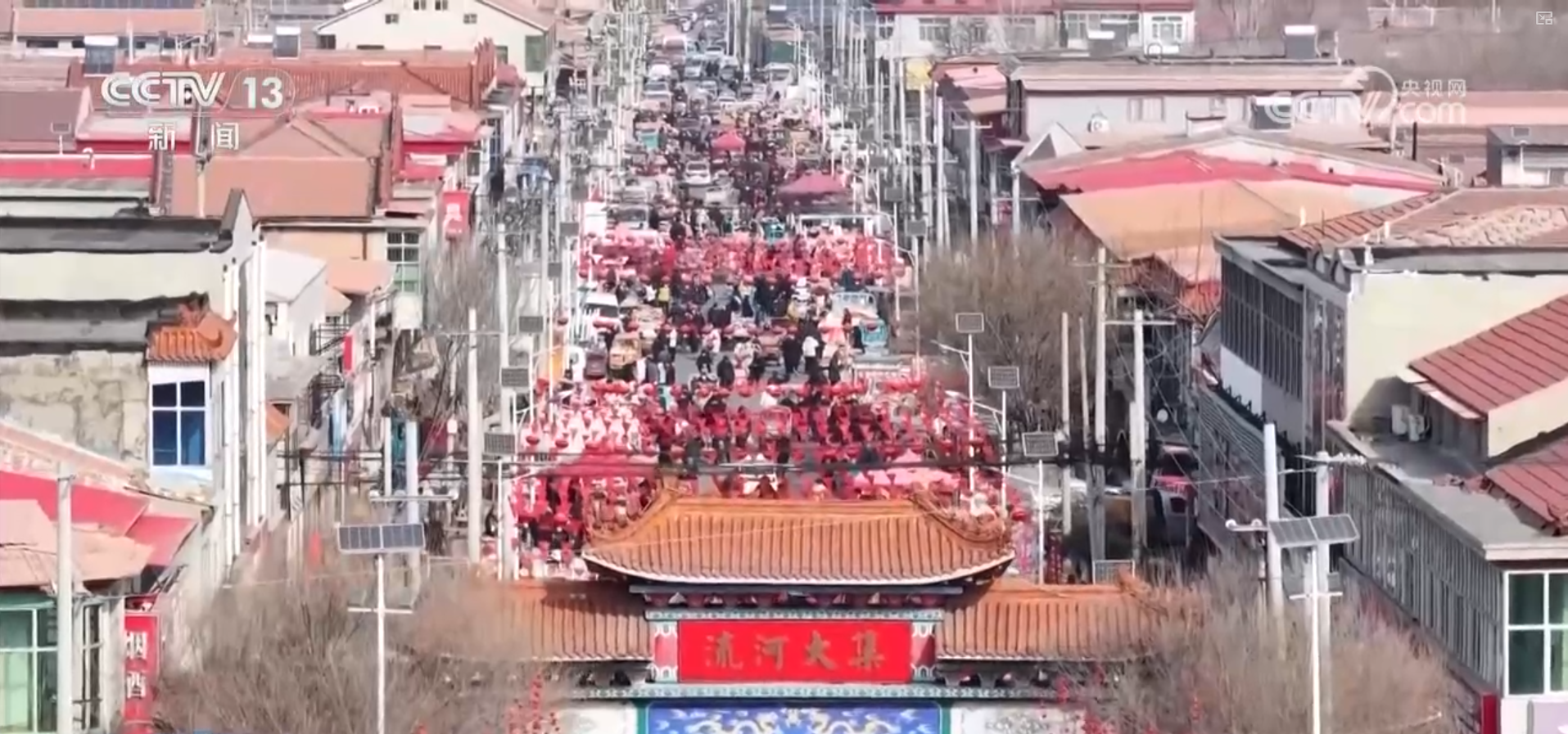
Group 1: Market Trends and Consumer Behavior - The annual market in Qingxian, Hebei, has a history of several hundred years and features a variety of products including agricultural goods, snacks, imported fruits, and daily necessities, reflecting a growing festive atmosphere as the Lunar New Year approaches [1] - The market operates on specific lunar calendar dates, attracting thousands of visitors daily, including local residents and external vendors, due to its strategic location along the Beijing-Hangzhou Grand Canal [5] - The variety of fruits available has expanded significantly, with cherries from South America becoming a hot-selling item, indicating an increase in consumer purchasing power and preferences for diverse products [7] Group 2: Cultural and Traditional Products - New flavors of traditional food items, such as handmade yuanxiao, are gaining popularity among younger consumers, showcasing a blend of traditional and modern tastes [9] - The market's offerings reflect a vibrant cultural scene, with local specialties and traditional crafts being well-received, enhancing the festive atmosphere and consumer engagement [16][20] - In Guangdong, a market featuring intangible cultural heritage products has opened, attracting over 60 representatives to showcase and sell their crafts, indicating a revival of traditional skills and consumer interest in heritage products [20][22] Group 3: Regional Highlights and Sales Performance - In Qingdao, seafood markets are thriving, with prices for certain shellfish lower than the previous year, indicating a competitive market environment and consumer demand for affordable options [24] - Customized seafood gift boxes are being offered to cater to diverse consumer needs during the festive season, enhancing the market's appeal [26] - In Anhui, the production of Huangshan sesame cakes has ramped up, with sales exceeding 40 million units this year, reflecting a 10% year-on-year increase, showcasing the product's popularity and successful distribution channels [31]
焦点访谈|以文化为纽带 长江经济带书写高质量发展新篇章
Yang Shi Wang· 2026-01-07 13:14
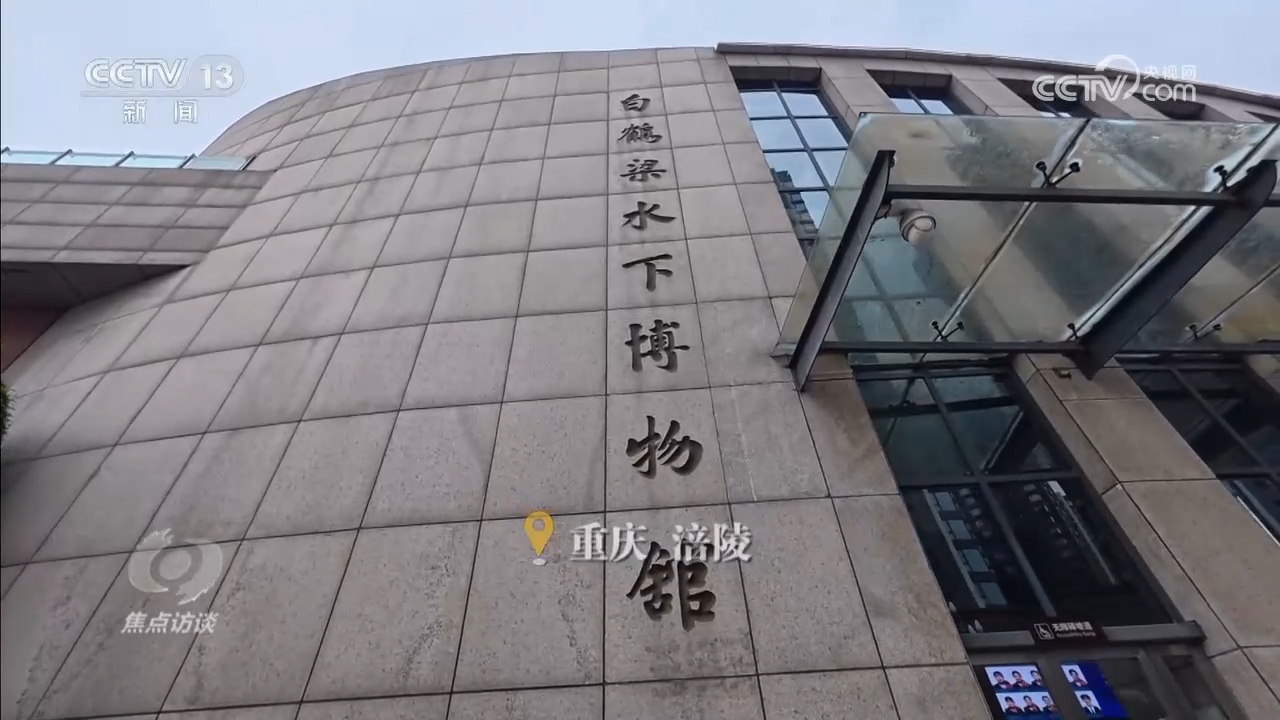
Core Viewpoint - The development of the Yangtze River Economic Belt over the past decade has been significantly influenced by cultural protection and transmission, showcasing a transformation that integrates historical heritage with modern technology and tourism [1][12]. Group 1: Cultural Heritage Protection - The Baidong Liang underwater museum has implemented innovative protection methods for ancient inscriptions, utilizing a "pressure-free container" principle to preserve cultural artifacts in situ [3][5]. - Over the past ten years, 1,335 cultural heritage protection projects have been completed in the Three Gorges area, with over 200,000 artifacts unearthed and 34 museums established [5][9]. - The integration of technology has enhanced the visibility and clarity of cultural relics, allowing for better public engagement and understanding of historical significance [5][12]. Group 2: Cultural Tourism Development - The Yangtze River cruise industry has evolved, with larger vessels and a more international tourist demographic, emphasizing cultural exploration along the river [7][9]. - The establishment of the "Beautiful Yangtze River Three Gorges Cultural Tourism Industry Alliance" aims to connect various districts along the river, promoting cultural tourism and enhancing visitor experiences [7][9]. - The construction of the Yangtze National Cultural Park has begun, integrating natural landscapes with historical narratives, particularly in cities like Jiujiang [9][10]. Group 3: Innovation in Traditional Crafts - The traditional craft of iron painting in Wuhu has seen a revival, with modern design techniques being introduced by younger artisans, leading to increased tourist interest and economic growth [10][12]. - The past decade has seen a shift from traditional apprenticeship to institutional training for crafts, with nearly 700 students trained in iron painting techniques [12][14]. - Various regions have explored innovative paths for intangible cultural heritage, integrating traditional crafts with modern market demands, thus ensuring their sustainability and relevance [14]. Group 4: Cultural Integration and Future Prospects - The Yangtze River culture reflects a blend of diverse traditions, showcasing the continuous evolution and innovation of Chinese civilization over the past 5,000 years [14]. - The ongoing cultural initiatives aim to create a vibrant cultural landscape that resonates with both historical significance and contemporary relevance, fostering a shared national identity [14].
白族扎染:指尖流转蓝白韵
Ren Min Wang· 2025-11-23 03:02
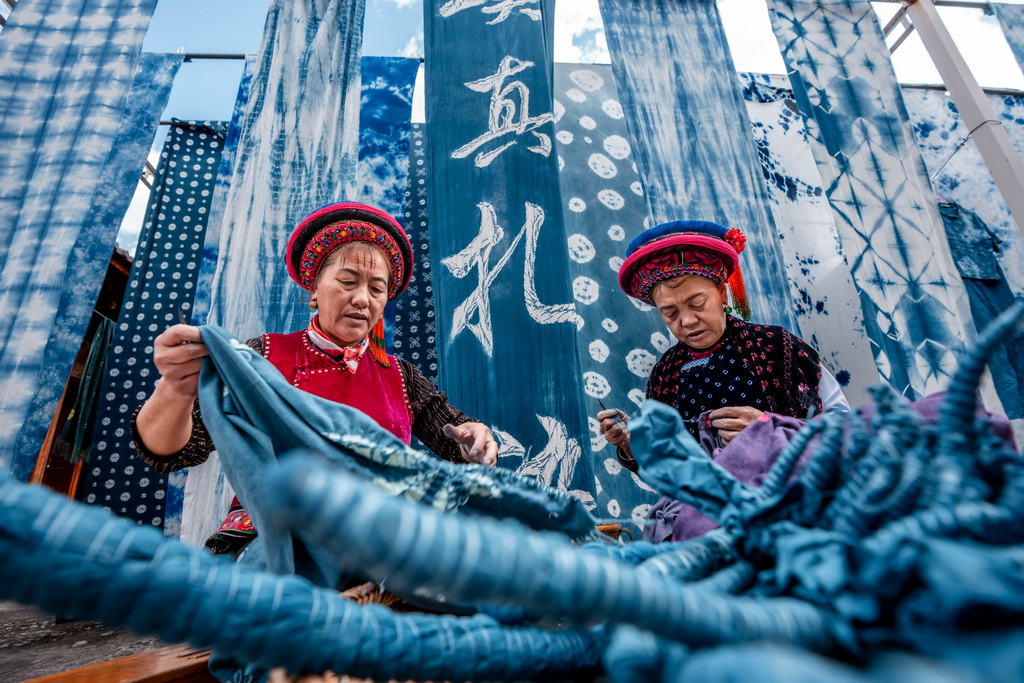
Group 1 - The Bai ethnic group's tie-dyeing technique is being preserved and practiced by inheritors such as Duan Yinmei and Duan Yuer in Zhou Cheng Village at "Puzhen Dye Workshop" [2][5][6] - The workshop showcases various stages of the tie-dyeing process, including flower tying, dyeing, and drying of the finished products [5][6][9] - The cultural significance of the Bai tie-dyeing craft is highlighted through hands-on experiences for visitors, promoting both tradition and tourism [12] Group 2 - The "Puzhen Dye Workshop" serves as a center for the transmission of Bai culture and craftsmanship, attracting attention to the traditional art form [4][10] - The involvement of local artisans in the dyeing process emphasizes the community's commitment to maintaining their cultural heritage [7][10] - The workshop's activities contribute to the local economy by engaging tourists and providing them with unique cultural experiences [12]
天涯共此时——“文化中国·七彩云南”系列活动点亮卢森堡
人民网-国际频道 原创稿· 2025-09-22 05:20
Core Viewpoint - The event "Cultural China: Colorful Yunnan" was held in Luxembourg to celebrate the 76th anniversary of the People's Republic of China and the Mid-Autumn Festival, showcasing cultural exchange between China and Luxembourg [1][2] Group 1: Event Overview - The event was co-hosted by the Chinese Embassy in Luxembourg, the Luxembourg Chinese Cultural Center, and the Yunnan Provincial Department of Culture and Tourism [1] - Over 300 attendees, including dignitaries from both countries, enjoyed the performance [1] Group 2: Cultural Significance - The Chinese Ambassador highlighted Yunnan's historical importance during the Anti-Japanese War and its current cultural and economic development [1] - The event featured various ethnic performances, including dances from the Yi, Hani, Tibetan, and Bai ethnic groups, showcasing the rich cultural diversity of Yunnan [2] Group 3: Diplomatic Relations - Luxembourg's parliamentary leaders emphasized the importance of cultural exchange in enhancing mutual understanding and trust between the two nations [2] - The event served as a platform to deepen cultural ties and foster friendship between China and Luxembourg [2]
“用云南的非遗,来讲云南的大象”
Ren Min Ri Bao· 2025-05-12 22:21
Core Viewpoint - The establishment of a cultural heritage exhibition hall by the Yunnan Forest Fire Brigade aims to promote biodiversity conservation through the lens of local intangible cultural heritage, particularly focusing on the story of wild Asian elephants in Yunnan [1][2]. Group 1: Cultural Heritage and Biodiversity - The exhibition hall features over 50 pieces of intangible cultural heritage works, showcasing the diversity of Yunnan's culture while telling the story of elephant conservation [1]. - The largest piece in the exhibition is a 6.85-meter long and 1.85-meter wide embroidery titled "Northward Journey," created by 10 embroiderers over three months [1]. Group 2: Community Engagement and Visitor Experience - Since its opening, the exhibition has attracted a steady stream of visitors, many of whom initially came to learn about elephants but left with a newfound appreciation for Yunnan's intangible cultural heritage [2]. - More than 10 representatives of intangible cultural heritage have contributed their works to the exhibition, indicating strong community engagement and support for the initiative [2].