白梨

Search documents
一位果商的新年团拜之旅
Xin Lang Cai Jing· 2026-01-18 17:25
Core Viewpoint - The article illustrates the cultural and economic significance of traditional New Year celebrations in Chengdu, emphasizing the interconnectedness of urban and rural life through the lens of a fruit merchant's annual pilgrimage to a pear orchard, showcasing the rich tapestry of local customs and community ties [7][25]. Group 1: Cultural Significance - The New Year journey of the fruit merchant transcends mere business interactions, representing a gratitude pilgrimage that highlights the cultural essence of Chengdu [7][11]. - The article describes the vibrant atmosphere of Chengdu during the winter, where the mingling scents of local delicacies signal the arrival of the New Year [9][10]. - Traditional customs such as ancestor worship and community gatherings are integral to the collective memory and cultural identity of the city [8][15]. Group 2: Economic Interactions - The relationship between urban merchants and rural producers is depicted as a vital economic pulse, with the East Road serving as a lifeline connecting the city to its agricultural surroundings [12][22]. - The fruit merchant's visit to the pear orchard is not only a gesture of thanks but also a strategic move to assess the orchard's production for future business planning [11][14]. - The article highlights the role of local farmers and transporters in ensuring the supply of fresh produce to the city, emphasizing the collaborative nature of the local economy [22][24]. Group 3: Traditional Practices - The article details various New Year customs, such as the "sending of the kitchen god" and the family reunion dinner, which are rich in symbolism and community participation [15][17]. - Specific food items consumed during the New Year celebrations, such as dumplings and noodles, carry significant meanings related to prosperity and unity [20][21]. - The practices of cleaning and preparing homes for the New Year reflect a deep-rooted cultural philosophy of renewal and hope [16][19].

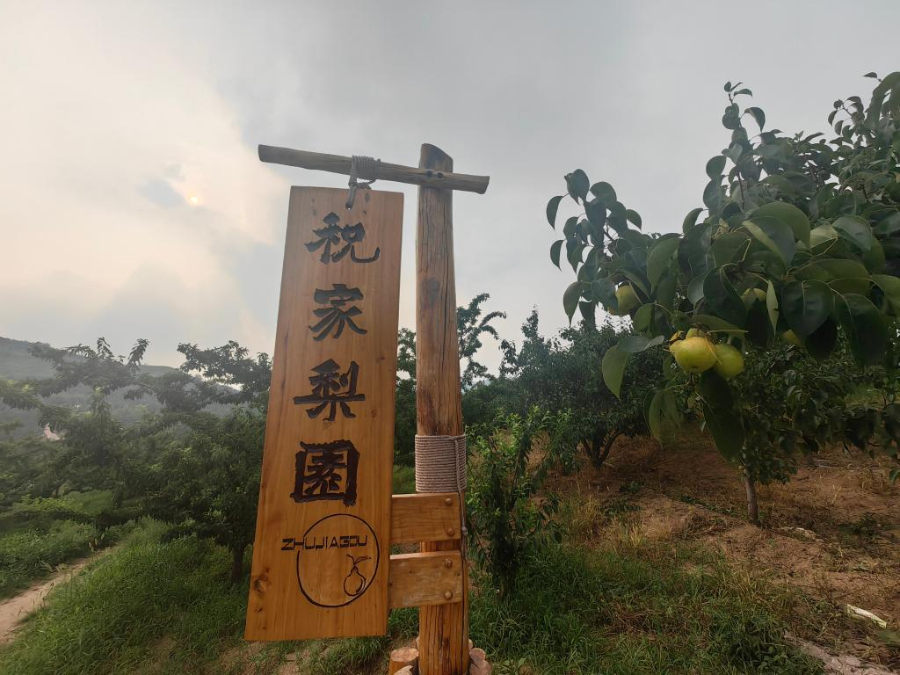
祝家沟村瓜果又飘香
Xin Hua Wang· 2025-08-21 01:41
Core Insights - The article highlights the recovery and revitalization of Zhujiagou Village in Suizhong County after a devastating flood in August 2024, which caused significant damage to the local fruit industry and infrastructure [1][2]. Group 1: Flood Impact and Recovery Efforts - The extreme rainfall in August 2024 led to severe flooding in Zhujiagou Village, with water levels exceeding 6 meters, resulting in the destruction of 41 homes and approximately 8,000 fruit trees [1]. - Local authorities and construction teams provided immediate assistance to villagers, including rescuing fruit trees and repairing transportation routes for fruit distribution [1]. - The Suizhong County Agricultural and Rural Bureau implemented a subsidy program for farmers to support the replanting of fruit trees after the flood [1]. Group 2: Expert Support and Training - The Chinese Academy of Agricultural Sciences sent over 30 experts to Zhujiagou Village within a year to provide comprehensive training on fruit tree management, orchard planning, and pest control [2]. - Villagers, such as Zhu Honghui, actively participated in training sessions, leading to successful replanting efforts and promising growth for the new fruit crops [2]. Group 3: Economic Recovery and Future Prospects - Villagers reported significant income from fruit sales, with one villager earning over 80,000 yuan from plums and expecting an additional 30,000 to 40,000 yuan from white pears later in the year [3]. - The village has seen the introduction of new water conservation projects, transforming previously flooded farmland into productive "colorful rice fields" and attracting tourism through flower viewing events [5]. - The overall sentiment in the village is optimistic, with residents expressing confidence in the future economic potential of their agricultural products and tourism [5].