百度AI去·榜中榜

Search documents
本地生活赛道,进入“组团作战”时代
3 6 Ke· 2025-10-21 09:19
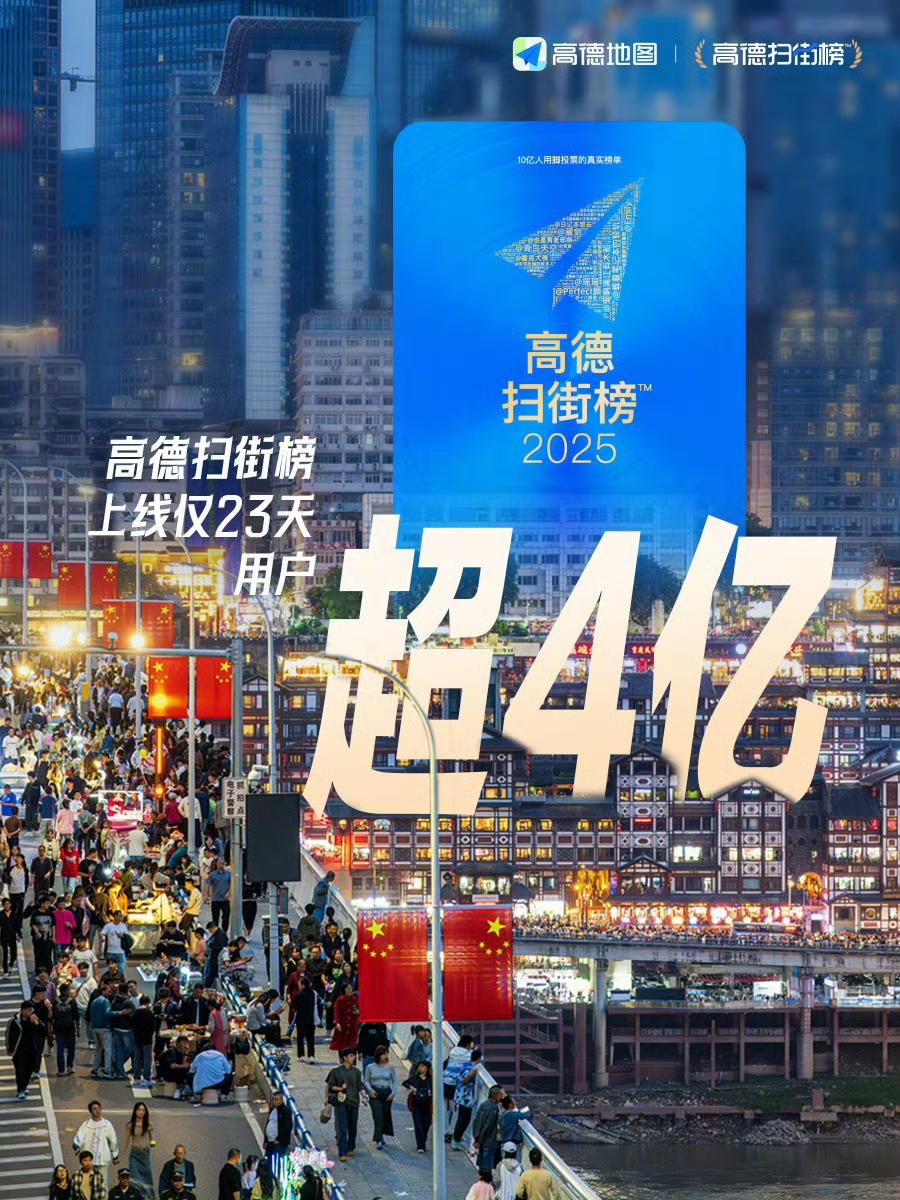
Core Insights - The article discusses the competitive landscape of local life services among major internet companies, highlighting the shift from direct competition to ecosystem collaboration [1][4][20] Group 1: Competitive Landscape - On September 10, Gaode launched the "Street Scanning List," marking the beginning of Alibaba's strategy to penetrate local life services through real user travel data [2] - Baidu responded with its "AI Go·List in List," integrating data from its previous partnerships with Dazhong Dianping and Ctrip, creating a comprehensive service platform [2][5] - The competition is characterized by a transition from single-app competition to "ecological collaboration," where AI algorithms, organizational synergy, and user reputation will play crucial roles [4][20] Group 2: Strategic Moves by Companies - Alibaba aims to leverage Gaode's high user engagement to create a seamless online-offline experience, enhancing its local life service offerings [6][14] - Baidu's strategy involves forming alliances rather than competing alone, as seen in its collaboration with Meituan and Ctrip to enhance its service capabilities [10][24] - The article notes that the local life service market is projected to grow significantly, with an expected market size of 35.3 trillion yuan by 2025, indicating substantial growth potential [19] Group 3: Role of Gaode and Ecosystem Integration - Gaode's transformation from a navigation tool to a critical entry point for Alibaba's local services is emphasized, as it connects various consumer decision-making processes [16][18] - The integration of services allows for a more efficient user experience, where consumers can easily navigate to restaurants, attractions, and hotels through Gaode [17] - The article highlights the importance of a unified membership system within Alibaba's ecosystem, enhancing user engagement and loyalty [17][18]