百词斩

Search documents
突然崩了,知名App连夜道歉!有人急哭:已坚持几百天
新浪财经· 2026-03-24 09:50
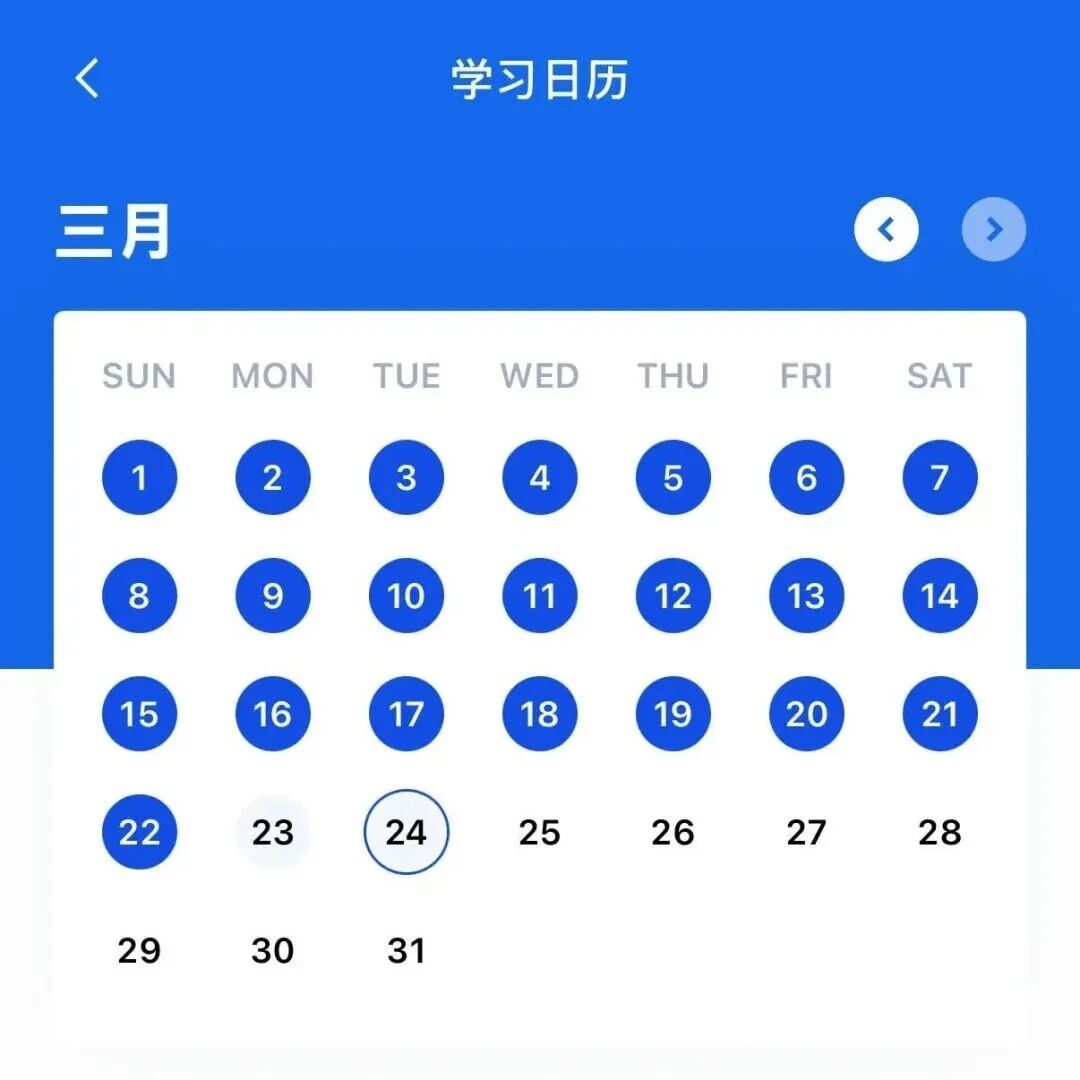
Core Viewpoint - The "百词斩" app experienced a server outage on March 23, causing users to face issues such as "network error" and "data upload failure," which led to concerns about their daily learning and progress tracking [2][5][8]. Group 1: Incident Details - On the evening of March 23, users reported problems with the "百词斩" app, including failure to upload learning data and inability to access the calendar [2][5]. - The app's issues became a trending topic on social media, with users expressing frustration over their inability to complete daily check-ins [5][7]. - The official response from "百词斩" indicated that the server experienced unexpected fluctuations, which were addressed through emergency repairs [8]. Group 2: Resolution and User Assurance - By March 24, the "百词斩" team announced that the server issues had been resolved, and users could resume normal usage of the app by reopening it [8]. - The platform assured users that those who logged in between March 17 and March 23 would have their daily check-ins counted as normal for March 23, ensuring no impact on their learning records [8]. Group 3: Company Background - "百词斩" is produced by Chengdu Super Love Technology Co., Ltd., which was established in 2012 and has entered the online education market with its vocabulary learning app [12]. - The company has received multiple rounds of investment from notable firms such as Sequoia Capital and Tencent [12].

从词书到大模型,AI背词赛道大爆发
3 6 Ke· 2025-07-31 03:46
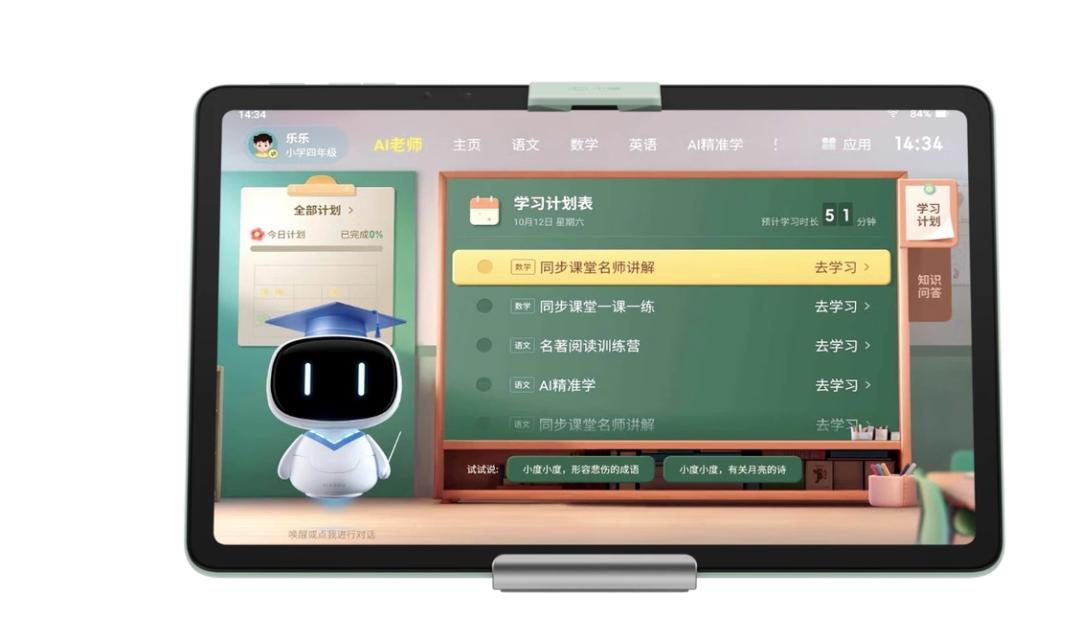
Core Insights - The language learning market is undergoing significant transformation, with AI tools emerging as a breakthrough in vocabulary learning, addressing the challenges of traditional methods that fail to engage users effectively [1][3][13] - The evolution of vocabulary learning tools has progressed through three iterations: from visual memory aids to interactive AI-driven experiences, enhancing user engagement and learning outcomes [1][3][5] Group 1: Evolution of Vocabulary Learning Tools - The first generation of vocabulary tools, exemplified by Baicizhan, redefined traditional vocabulary learning by incorporating visual elements and gamification, enhancing user engagement [2][3] - The second generation faced challenges such as content similarity and lack of interactive feedback, which set the stage for AI-driven innovations [3][5] - The third generation leverages AI to provide personalized learning experiences, dynamically adjusting difficulty and offering real-time feedback, thus bridging the gap between vocabulary memorization and practical application [3][4][12] Group 2: AI Integration in Vocabulary Learning - AI is becoming the foundational engine for vocabulary tools, enabling real-time generation of word lists and personalized learning paths based on user performance [3][4] - Various types of AI-driven vocabulary learning products have emerged, including exam-oriented apps, multi-language platforms, and conversation training tools that integrate vocabulary learning with real-world interactions [4][5] - The integration of AI with hardware devices is creating a comprehensive learning ecosystem, allowing users to engage with vocabulary learning in diverse contexts [6][8][12] Group 3: Market Trends and Future Directions - The market is witnessing a surge in educational technology companies developing smart devices focused on vocabulary retention, indicating a shift towards more interactive and engaging learning experiences [8][11] - Companies like New Oriental and iFLYTEK are innovating by combining AI with traditional educational resources to create immersive learning environments that enhance vocabulary acquisition [11][12] - The future of vocabulary learning is expected to be more multimodal and intelligent, moving from rote memorization to practical application, aligning with the needs of the Z generation [13][14]