盐菜扣肉

Search documents
逛吃贵州丨贵州人爱吃盐菜扣肉,其中最有特色的或属盐酸扣肉
Xin Lang Cai Jing· 2026-01-17 12:35
Core Viewpoint - The article discusses the cultural significance and variations of "扣肉" (braised pork), particularly focusing on its preparation methods across different regions in China, highlighting the influence of local ingredients and traditions [2][4][7]. Group 1: Preparation Methods - The most common preparation method for "盐菜扣肉" (salted vegetable braised pork) involves cooking high-quality pork belly, frying the skin, and steaming it with salted vegetables [2]. - Variations exist across regions, such as "咸烧白" (salty braised pork) in Sichuan, which uses different types of salted vegetables like winter vegetables and芽菜 (sprout vegetables) [4]. - In Guizhou, a unique version called "盐酸扣肉" (sour salted braised pork) is made with a special type of salted vegetable that includes ingredients like sweet wine, chili, garlic, and rock sugar, resulting in a distinct sweet and sour flavor [7][8]. Group 2: Historical Context - The dish "扣肉" is believed to have originated from Jiangnan and was introduced to the southwest during the Qing Dynasty, with references found in historical texts like "调鼎集" [4][5]. - By the Qing Dynasty's Xianfeng and Tongzhi periods, variations of "烧白" (braised pork) began to appear in Sichuan cookbooks, indicating its growing popularity [5]. - The influence of migration patterns, particularly the "湖广填四川" (Huguang filling Sichuan) movement, likely contributed to the spread and adaptation of "扣肉" in southwestern China [4][5].


泥墙竹椅,柴火灶,这些土菜馆成了都市人的新食堂
3 6 Ke· 2025-09-30 01:04
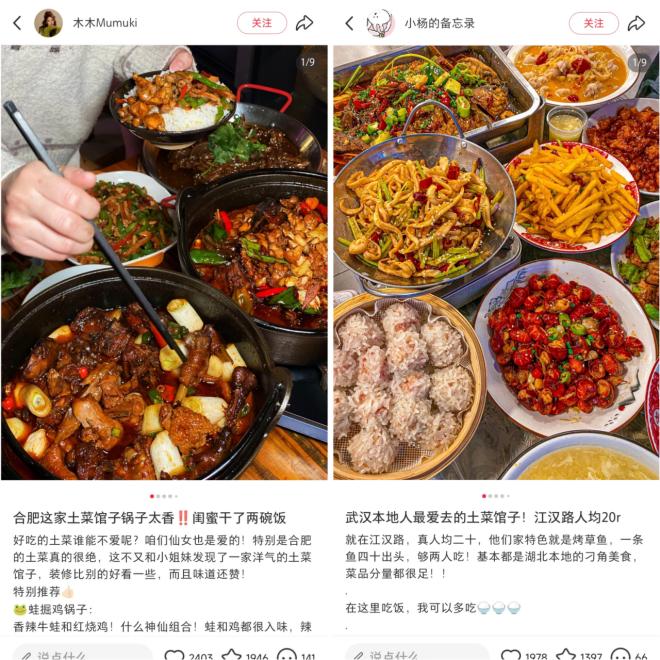
Core Insights - The rise of "local cuisine" restaurants in China is attributed to their appeal of "nostalgia" and "value for money," reflecting a consumer preference for authenticity [1][9] - The industry has seen rapid growth, with over 113,000 related enterprises and nearly 2,000 new openings in the first four months of this year [9][11] Group 1: Characteristics of Local Cuisine Restaurants - Local cuisine is characterized by the use of locally sourced ingredients, traditional cooking methods, and distinct regional flavors [5][19] - These restaurants emphasize a rustic atmosphere, often featuring simple decor and a focus on fresh, unprocessed ingredients [9][50] - The cooking techniques include slow cooking, stir-frying, and steaming, which preserve the original flavors of the ingredients [5][21] Group 2: Market Trends and Competition - The competitive landscape is shifting from a fragmented market to a more concentrated one, with regional brands gaining prominence alongside national chains [11][40] - Notable brands like "傻子土菜" and "田小狗的饭店" have achieved significant success in their local markets, showcasing the potential for regional specialties to thrive [11][13] - The industry faces challenges such as increasing competition and the risk of homogenization, as many restaurants offer similar menus without unique offerings [54][55] Group 3: Business Models - Local cuisine restaurants can be categorized into traditional and modern improved types, with the latter focusing on brand standardization and enhanced customer experience [19][33] - Traditional restaurants prioritize authenticity and local flavors, while modern versions incorporate contemporary dining trends and operational efficiencies [19][33] - Successful brands are leveraging supply chain optimization and standardized processes to ensure consistent quality across multiple locations [49][40] Group 4: Future Opportunities - There is potential for growth through product innovation, talent development, and differentiation in a crowded market [56] - Emphasizing the authenticity of ingredients and the dining experience will be crucial for long-term success [56][57] - The industry's evolution will depend on balancing traditional culinary practices with modern management techniques to meet consumer expectations [57][58]