土菜馆

Search documents
泥墙竹椅,柴火灶,这些土菜馆成了都市人的新食堂
3 6 Ke· 2025-09-30 01:04
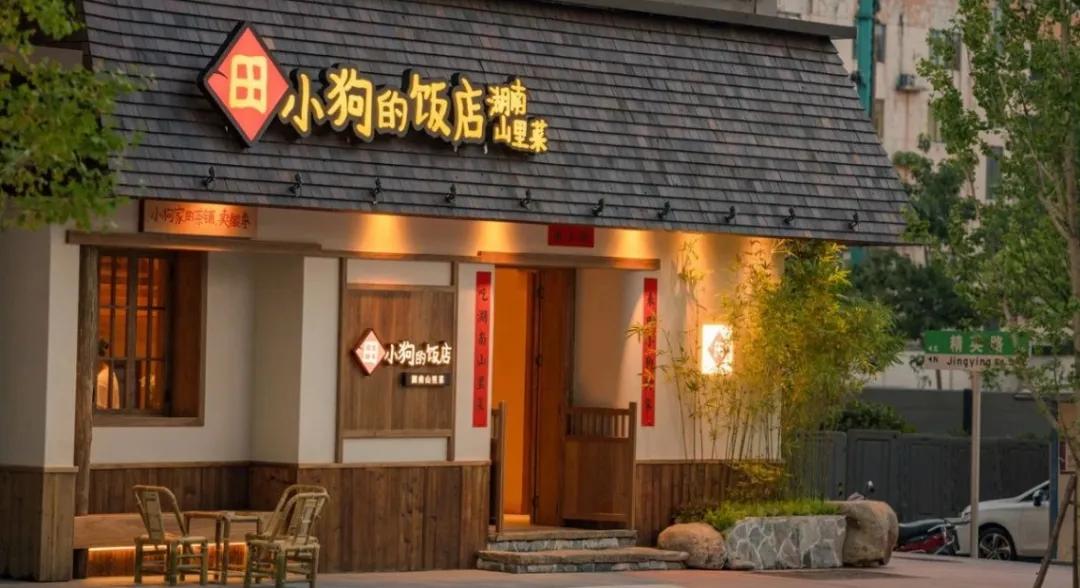
Core Insights - The rise of "local cuisine" restaurants in China is attributed to their appeal of "nostalgia" and "value for money," reflecting a consumer preference for authenticity [1][9] - The industry has seen rapid growth, with over 113,000 related enterprises and nearly 2,000 new openings in the first four months of this year [9][11] Group 1: Characteristics of Local Cuisine Restaurants - Local cuisine is characterized by the use of locally sourced ingredients, traditional cooking methods, and distinct regional flavors [5][19] - These restaurants emphasize a rustic atmosphere, often featuring simple decor and a focus on fresh, unprocessed ingredients [9][50] - The cooking techniques include slow cooking, stir-frying, and steaming, which preserve the original flavors of the ingredients [5][21] Group 2: Market Trends and Competition - The competitive landscape is shifting from a fragmented market to a more concentrated one, with regional brands gaining prominence alongside national chains [11][40] - Notable brands like "傻子土菜" and "田小狗的饭店" have achieved significant success in their local markets, showcasing the potential for regional specialties to thrive [11][13] - The industry faces challenges such as increasing competition and the risk of homogenization, as many restaurants offer similar menus without unique offerings [54][55] Group 3: Business Models - Local cuisine restaurants can be categorized into traditional and modern improved types, with the latter focusing on brand standardization and enhanced customer experience [19][33] - Traditional restaurants prioritize authenticity and local flavors, while modern versions incorporate contemporary dining trends and operational efficiencies [19][33] - Successful brands are leveraging supply chain optimization and standardized processes to ensure consistent quality across multiple locations [49][40] Group 4: Future Opportunities - There is potential for growth through product innovation, talent development, and differentiation in a crowded market [56] - Emphasizing the authenticity of ingredients and the dining experience will be crucial for long-term success [56][57] - The industry's evolution will depend on balancing traditional culinary practices with modern management techniques to meet consumer expectations [57][58]

一大批土菜馆走红,餐饮业开始流行“野”路子
3 6 Ke· 2025-07-17 12:51
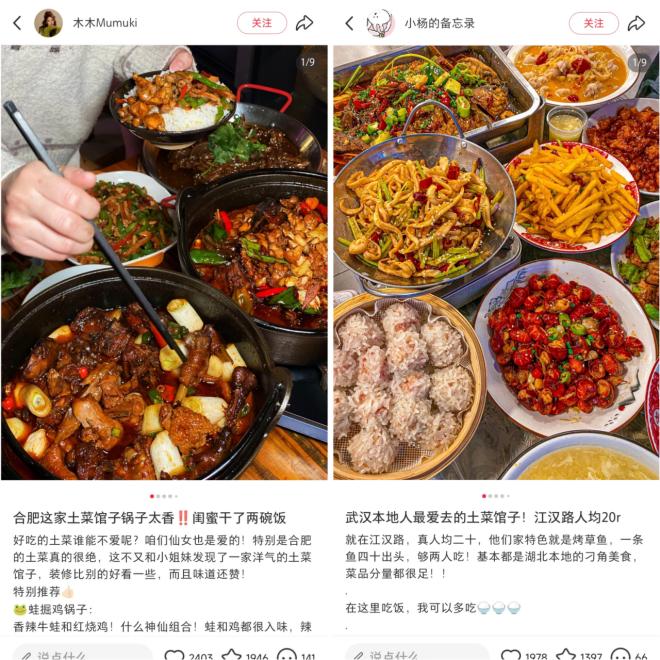
Core Insights - The rise of "local cuisine" is a natural outcome of changing consumer sentiments, reflecting a shift towards authenticity and local flavors in the dining experience [1][27][28] Industry Trends - The current period is seen as a golden era for local cuisine, with a trend towards more rustic and authentic dining experiences expected to continue [2] - The popularity of local cuisine restaurants has surged, with nearly 40% of new restaurant openings in the past two years related to this category, totaling approximately 113,000 local cuisine-related businesses nationwide [3][25] - Notable local cuisine restaurants like "Tian Xiaogou" and "Silly Local Cuisine" have become hotspots, attracting both local diners and food enthusiasts from other regions [4][5] Consumer Behavior - There is a significant increase in consumer interest in local cuisine, with over 80,000 daily searches for related keywords, indicating a doubling in search volume year-on-year [3] - Consumers are increasingly prioritizing the intrinsic value of food, focusing on authenticity, quality ingredients, and genuine dining experiences over superficial aspects [28][29] Culinary Characteristics - New local cuisine restaurants emphasize the use of fresh, locally sourced ingredients, often highlighting their origins and seasonal availability [10][14] - Traditional cooking methods are favored, with many restaurants showcasing open kitchens and using simple, rustic techniques to prepare dishes [15][18] Market Positioning - These local cuisine establishments are strategically positioned within the mainstream price range of 80-100 yuan, appealing to a broad consumer base while maintaining high-quality offerings [19][24] - The focus on local ingredients and traditional methods allows these restaurants to differentiate themselves from both high-end dining and traditional rural eateries [24][25] Future Outlook - The trend towards local cuisine is expected to reshape the restaurant industry's cost structures and operational models, emphasizing quality ingredients and efficient supply chains [28][29] - As consumer preferences continue to evolve, the long-term winners in the dining sector will be those who can deliver authentic, high-quality food experiences [29]