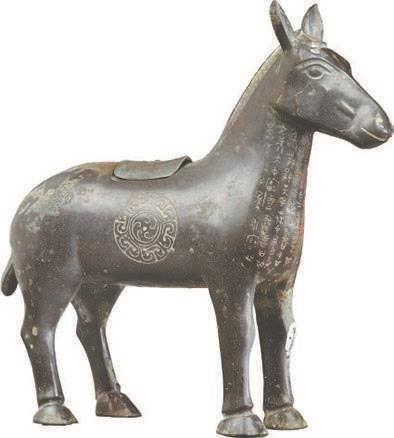
盠驹尊

Search documents
国博藏珍里的马文物
Xin Lang Cai Jing· 2026-02-17 06:59
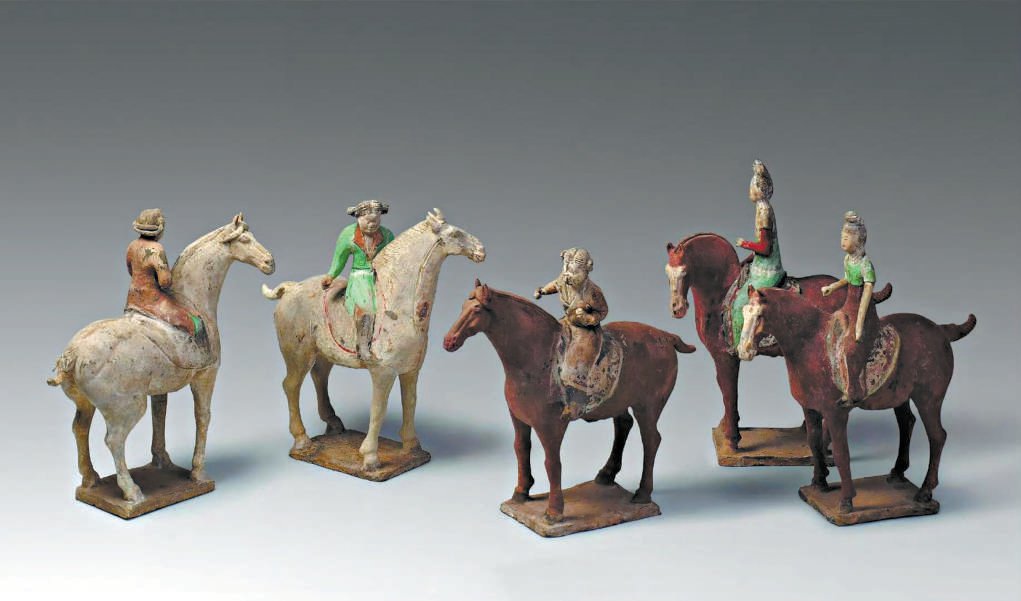
Group 1 - The article highlights the significance of horse-related artifacts in the National Museum of China, showcasing their artistic and cultural importance across different historical periods [1] - The "Juzun" artifact from the pre-Qin period is noted for its exquisite craftsmanship and historical inscriptions, reflecting the ceremonial practices of the Zhou dynasty [3][4] - The evolution of horse gear and its impact on military advancements is illustrated through artifacts from the Wei, Jin, and Northern Dynasties, emphasizing the development of cavalry and the introduction of horse armor [6][7] Group 2 - The Tang dynasty's unique horse grooming practices, such as the "three-flower horse," are discussed, indicating the cultural significance of horses in both life and death rituals [8] - The Liao dynasty's horse gear is presented as a reflection of the nomadic lifestyle of the Khitan people, with archaeological findings revealing the importance of horses in their society [9] - The influence of Liao horse gear on the Song dynasty is noted, highlighting the cultural exchange and the high regard for Khitan craftsmanship in horse equipment [10]

青铜文明丨“千年宝马”邀你看展 一起驰骋先秦
Xin Lang Cai Jing· 2026-02-14 08:17
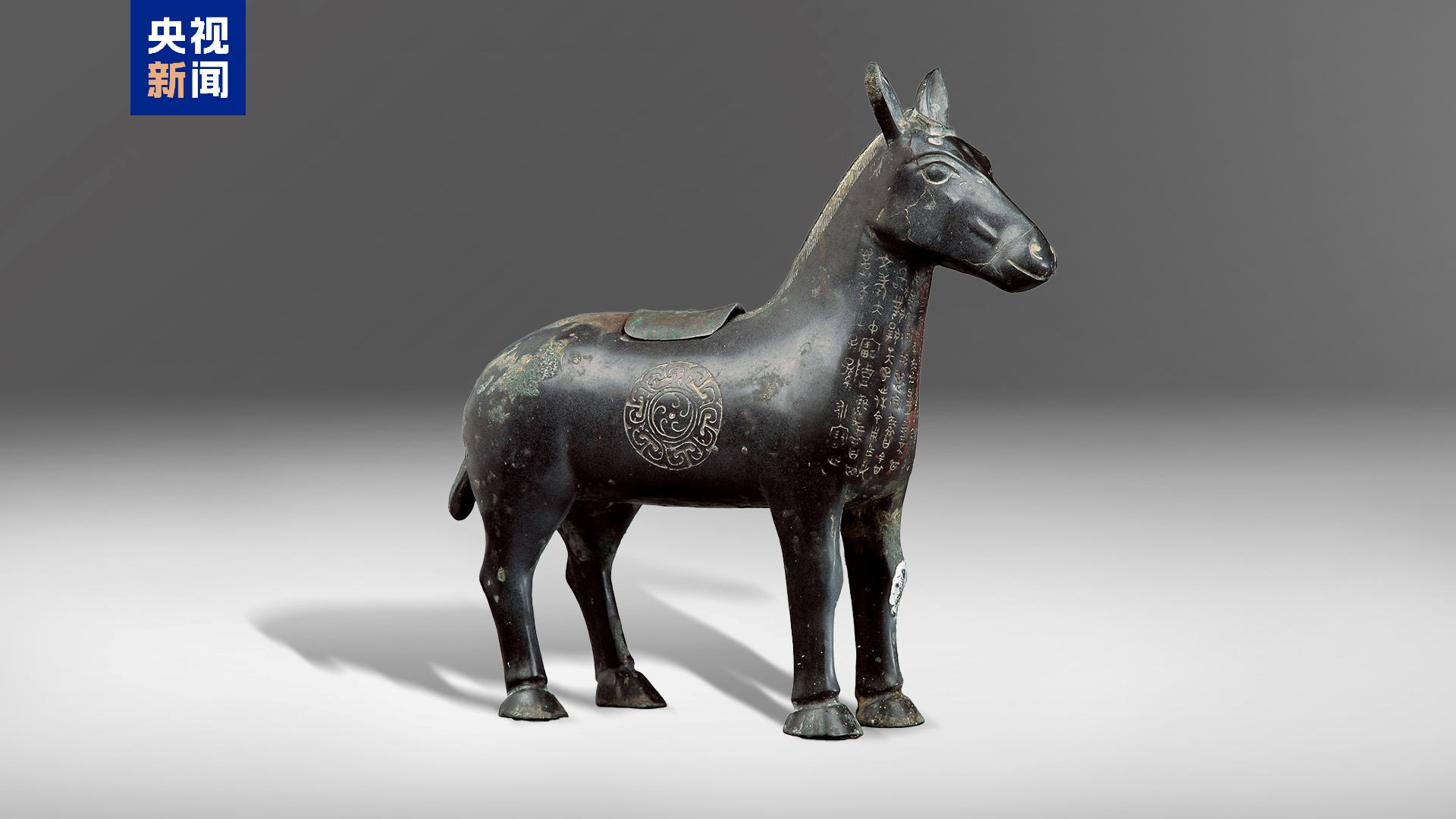
Core Viewpoint - The article highlights the significance of ancient Chinese bronze artifacts, particularly the "盠驹尊" and "秦铜车马," in understanding the historical context of horse culture and craftsmanship in ancient China. Group 1: Bronze Artifacts - The "盠驹尊" is a unique wine vessel from the Western Zhou period, modeled after a horse foal, providing valuable insights into the appearance of horses during the Shang and Zhou dynasties [1] - The vessel features a 94-character inscription detailing a ritual called "执驹," where the Zhou king awarded two foals to nobles, leading to the creation of this commemorative artifact [2][3] - The "秦铜车马" consists of two sets of bronze chariots, accurately replicating real chariots at half scale, showcasing the complexity and craftsmanship of ancient Chinese bronze work [6] Group 2: Artistic Representation of Horses - The "铜奔马," also known as "马踏飞燕," is a pinnacle of Han Dynasty sculpture, depicting a horse in dynamic motion, symbolizing strength and artistic mastery [7] - Unlike earlier representations, Han Dynasty horses are portrayed with a more majestic stature, influenced by the introduction of superior horse breeds from Central Asia after the opening of the Silk Road [7] - The "铜奔马" may have served a dual purpose as both an artistic piece and a model for horse breeding, reflecting the importance of horses in Han society [7]
小马也有“成人礼”
Xin Lang Cai Jing· 2026-02-12 23:44
Core Viewpoint - The discovery of the Zun (a bronze vessel in the shape of a young horse) provides significant insights into the equestrian practices and ancient livestock history of the Western Zhou Dynasty in China [2][3]. Group 1: Description of the Zun - The Zun, measuring 32.4 cm in height and 34 cm in length, weighs 5.68 kg, making it the earliest known horse-shaped bronze vessel [2]. - It serves a dual purpose as both a sculpture and a practical wine vessel, featuring a simple decorative design with swirling and cloud patterns [2]. - The Zun includes inscriptions that commemorate a ceremonial event involving the Zhou king and the honoring of the maker, highlighting the cultural significance of the artifact [2]. Group 2: Historical Context and Significance - The inscriptions on the Zun reference the "Zhi Ju" ceremony, which marks the transition of young horses into service, emphasizing the importance of horses in military and agricultural contexts during the Zhou Dynasty [3]. - The high value of horses in ancient China is illustrated by historical records indicating that five slaves could be exchanged for one horse and a bundle of silk, underscoring the economic significance of equestrian practices [3]. - The Zun's discovery is pivotal for research on Western Zhou equestrian policies and ancient Chinese livestock history, with its design inspiring the mascot for the 2026 CCTV Spring Festival Gala [3].