真丝睡衣

Search documents
研判2025!中国真丝睡衣行业发展背景、产业链上下游、发展现状、竞争格局、发展趋势分析:真丝睡衣市场持续扩容,线上渠道加速发展[图]
Chan Ye Xin Xi Wang· 2025-12-30 01:32
Core Viewpoint - The silk sleepwear market is experiencing strong growth, transitioning from a luxury item to a daily wear choice for mid-to-high-end consumers, driven by increasing health awareness and the pursuit of a high-quality lifestyle [1][7]. Group 1: Market Overview - The silk sleepwear market in China is projected to reach 15.375 billion yuan in 2024, with a year-on-year increase of 6.8%, and is expected to grow to 16.35 billion yuan in 2025, reflecting a 6.3% increase [1][8]. - The demand for silk sleepwear is rising due to its comfort, breathability, and antibacterial properties, appealing to health-conscious consumers [1][7]. Group 2: Industry Chain - The silk sleepwear industry chain includes silk production, which involves sericulture, silk processing, and fabric weaving, with silk quality directly impacting the final product [5][6]. - China has a long history in sericulture, maintaining the world's largest silk production, although recent years have seen a decline in cocoon production, affecting silk supply [6][9]. Group 3: Consumer Trends - As disposable income increases, consumers are more willing to invest in high-quality functional homewear, leading to a rise in market prices and overall sales [4][5]. - The online sales channel is becoming increasingly important, allowing consumers easier access to various brands and styles of silk sleepwear, thus expanding market reach [6][7]. Group 4: Competitive Landscape - The silk sleepwear market features both established brands and emerging players, with leading brands leveraging technology and brand premium to dominate the high-end market, while new brands focus on fast fashion and sustainability [8][9]. - Major companies in the industry include Guangdong Hongxing Industrial Co., Ltd., Zhejiang Jiaxin Silk Co., Ltd., and others, each targeting different consumer segments [10][11]. Group 5: Future Trends - The silk sleepwear industry is expected to see a rise in quality demands from consumers, pushing brands to innovate and enhance product quality [11][12]. - Environmental awareness is becoming a significant trend, with brands needing to adopt sustainable production practices to meet consumer expectations [11][12]. - The integration of online and offline sales channels will be crucial, with brands investing in e-commerce and social media marketing while maintaining physical stores for customer experience [11][12].


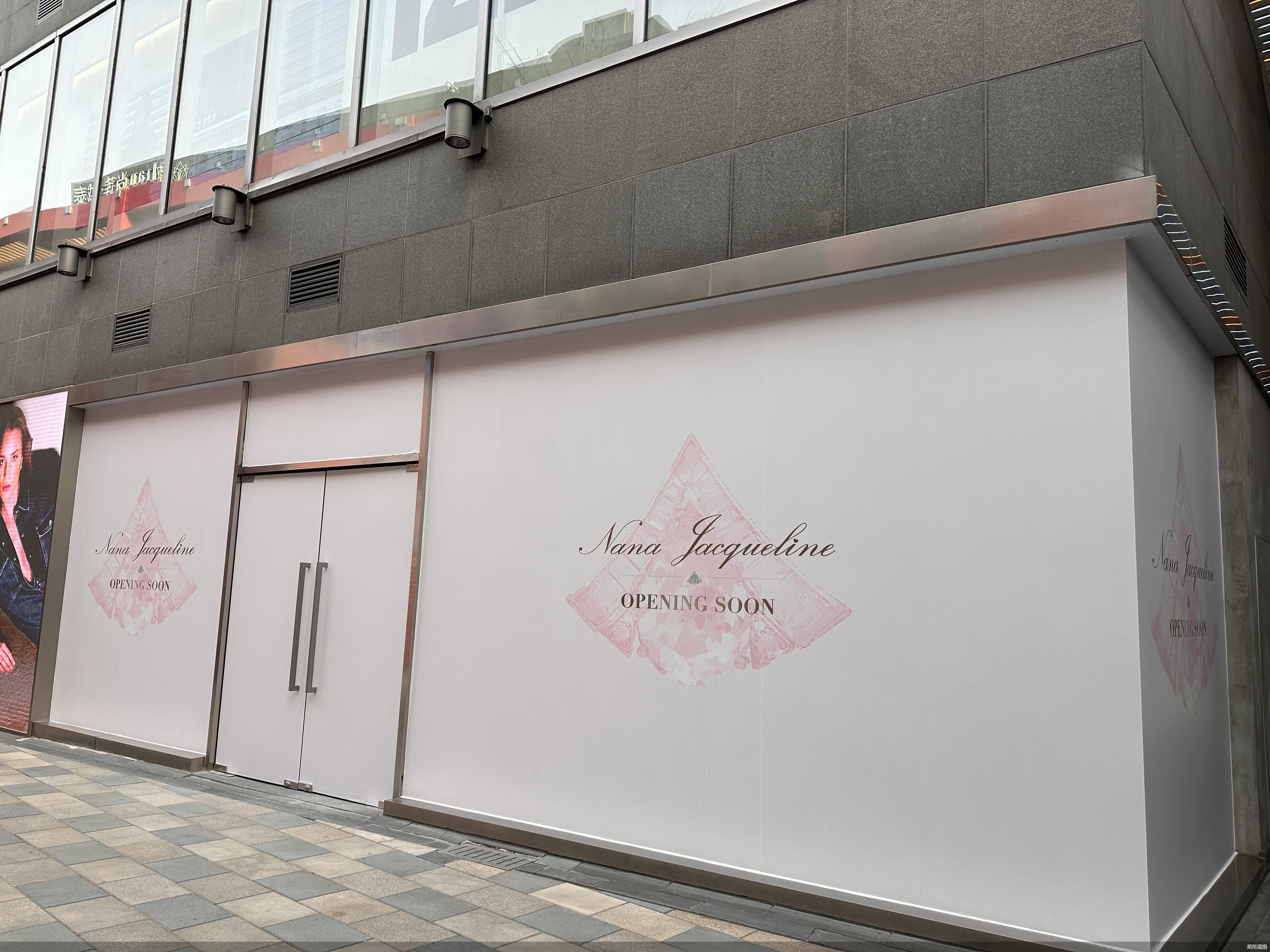
开设北京首店 褪去线上光环的Nana Jacqueline何以线下掘金
Bei Jing Shang Bao· 2025-03-24 11:27
Core Insights - Nana Jacqueline, a designer brand popularized by celebrities, is opening its first store in Beijing's Sanlitun area, marking its second physical location in China since entering the market six years ago [1][5] - The brand's transition from online to offline retail is seen as a strategic move to enhance brand identity and consumer connection, especially as online market advantages diminish [1][10] - High rental costs and the need for a strong brand narrative are critical challenges for Nana Jacqueline as it seeks to establish a foothold in the competitive offline retail space [1][10][12] Company Overview - Founded in 2013 in Los Angeles by Li Mengna and Zhang Shiyun, Nana Jacqueline entered the Chinese market in 2019, initially focusing on homewear and later expanding to ready-to-wear and haute couture [5] - The brand has gained significant online traction, with nearly 800,000 followers on its Tmall flagship store and notable sales figures for celebrity-endorsed products [5][10] - The first offline experience space, "NJ HOUSE," opened in Shanghai in April 2023, requiring appointments for entry, indicating a cautious approach to physical retail [5][6] Market Context - The trend of online brands moving into physical retail is growing, with several designer brands planning to open stores in high-end shopping centers [8] - However, the experience of brands like CALVINLUO, which faced operational challenges and ultimately closed all physical stores, highlights the risks associated with this transition [9][10] - Analysts emphasize the importance of inventory management and customer experience in the success of offline stores, particularly for brands lacking a strong offline foundation [10][11] Strategic Considerations - To succeed in the offline market, Nana Jacqueline must focus on enhancing its brand story and consumer engagement through improved customer experiences and loyalty programs [11][12] - The brand's cautious approach to physical expansion reflects a broader industry trend where many online fashion retailers are reassessing their offline strategies amid increasing competition and market pressures [10][12]