砗磲

Search documents
从广州游向深海:砗磲珊瑚撑起海洋生态修复伞
Nan Fang Nong Cun Bao· 2026-01-18 12:34
Core Viewpoint - Guangzhou is emerging as a pivotal hub for marine ecological restoration, leveraging advancements in breeding technologies for key species like giant clams and corals, thus contributing significantly to marine biodiversity and conservation efforts [5][30][36]. Group 1: Marine Biodiversity and Supply Chain - Over 80% of marine aquarium species in China originate from Guangzhou, making it a crucial supply center for marine ornamental species [4][18]. - The city has successfully bred over 2,000 species of marine ornamental organisms, which serve as vital resources for the aquarium industry and as educational tools for ecological conservation [18][19]. Group 2: Breeding Technology and Ecological Restoration - Breakthroughs in artificial breeding techniques have positioned Guangzhou as a "genetic resource cradle" for marine ecological restoration, with significant advancements in breeding giant clams and corals [22][30][36]. - The artificial breeding of giant clams has led to the production of 500,000 juvenile clams annually, with over 8,000 clams successfully released into marine protected areas, enhancing local biodiversity [32][34]. Group 3: Coral Restoration Efforts - Guangzhou has achieved large-scale breeding of over 300 coral species, contributing to the restoration of coral reefs in various marine protected areas [36][39]. - The city is actively developing heat-resistant coral species to combat the challenges posed by global warming, aiming to provide solutions for coral reef protection worldwide [43][44]. Group 4: Economic and Ecological Synergy - The marine ornamental fish industry in Guangzhou has seen an annual growth rate exceeding 10% since 2022, reflecting a successful integration of ecological conservation with economic development [48][49]. - Initiatives like the Blue Ocean Ornamental Fish Technology Park are being accelerated to enhance the city's role in marine conservation while promoting the ornamental fish industry [50][51]. Group 5: Future Directions - Guangzhou is transitioning from merely showcasing marine life to actively participating in marine ecological restoration, indicating a significant upgrade in its marine biological industry [53][54]. - The city aims to establish a global trading center for ornamental fish, promoting both the industry and ecological restoration technologies to benefit broader marine environments [56][59].


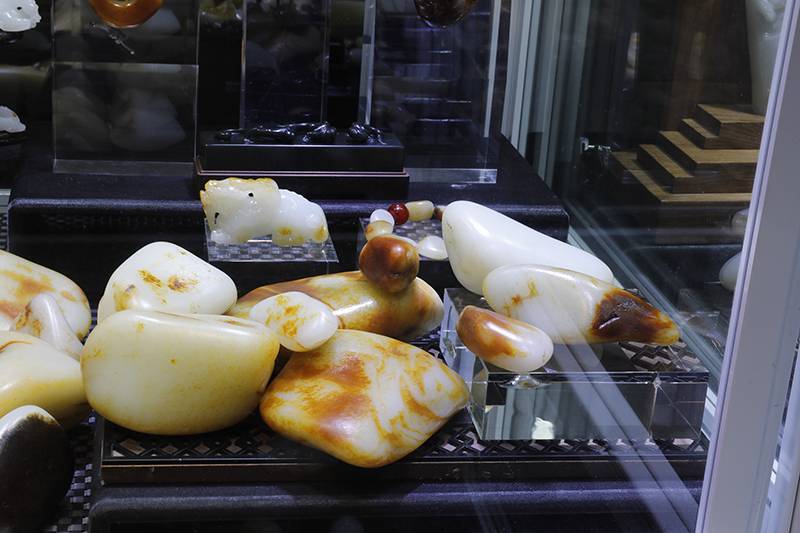
文玩市场崩盘,中产不买账了:和田玉到底跌了多少?答案让所有人震惊!
Sou Hu Cai Jing· 2025-11-24 05:06
Core Viewpoint - The traditional cultural collectibles market, particularly in the context of "文玩" (cultural artifacts), has experienced a significant downturn, with many once-popular items losing their value and appeal, leading to substantial financial losses for middle-class investors [4][10]. Market Overview - The collectibles market has lost its previous fervor, with many items that were once highly sought after now facing severe depreciation, resulting in heavy losses for middle-class investors [4]. - The market for "文玩核桃" (cultural walnuts) has shrunk by 92%, with prices dropping from tens of thousands to just hundreds [6]. - Prices for "黄龙玉" (Huanglong jade) and "崖柏" (Yarba wood) have plummeted by over 90% from their peak, leaving many investors trapped with unsold inventory [6]. Trust and Authenticity Issues - The proliferation of counterfeit products has led to a collapse in trust for items like "天珠" (Heavenly Beads), with over 90% of products on e-commerce platforms being fakes, diminishing the market's credibility [8]. Consumer Behavior Changes - Consumers are becoming more discerning, focusing on the genuine value and cultural significance of collectibles rather than following trends, which has led to a rational return to realistic pricing [10]. - Economic challenges have made it difficult for the middle class to spend, resulting in reduced expenditures on high-priced collectibles [10]. Market Segmentation - Despite the overall downturn, the high-end markets for "和田玉" (Hetian jade) and "翡翠" (Jadeite) have remained relatively stable, with premium items still commanding high prices [12][21]. - The low-end market for "和田玉" has seen significant price drops, with some items losing up to 30% of their value by 2025 compared to 2023 [14]. - Interestingly, while prices in the low-end market have decreased, sales volume has increased, attributed to the influence of live-streaming and online sales platforms [16][18]. Price Index Trends - From 2021 to 2024, the overall price index for the collectibles industry has dropped by 48%, while the high-end "和田玉" price index has only slightly decreased by 2.3% [24]. - The scarcity of premium materials has kept the prices of high-end "和田玉" stable, with certain rare types remaining highly sought after [24]. Cultural Significance - The sustainability of the collectibles market relies on cultural depth and historical significance, as seen with "和田玉," which benefits from its unique heritage and limited availability [26].