
离线地图

Search documents
南京导航集体失灵 原因公布:本次干扰精准针对北斗、GPS民用频段
Zhong Guo Ji Jin Bao· 2025-12-19 12:53
Core Viewpoint - The navigation signal anomaly in Nanjing on December 17, 2025, was caused by temporary interference affecting GNSS satellite signals, not by a network signal interruption [2][4]. Technical Analysis - Offline maps cannot resolve the navigation anomaly as they only store geographic data and do not replace the need for positioning signals from GNSS satellites [3]. - Navigation requires signals from at least four GNSS satellites to calculate position coordinates, making positioning signals and map data independent systems [3]. - The interference specifically targeted the civilian frequency bands of Beidou and GPS, leading to issues such as position drift and lack of data feedback, rendering offline maps ineffective for navigation [3]. Strategic Significance - The simultaneous impact on both Beidou and GPS signals during the anomaly validates the strategic foresight of China's Beidou system in planning its civilian frequency bands [4]. - The compatibility of Beidou's civilian signal (B1C band) with GPS's civilian signal (L1C band) breaks the spectrum resource blockade and creates a strategic balance, where interference with Beidou also affects GPS applications [4]. - The design of frequency compatibility serves as a deterrent against malicious interference, ensuring that any disruption to Beidou's civilian signals will also impact GPS, thereby enhancing the security of civilian navigation services [4]. Military Frequency Resilience - The signal anomaly only affected civilian GNSS frequency bands, while Beidou's military frequencies remained unaffected [5]. - Beidou employs a military-civilian frequency separation design, with military frequencies being exclusive and physically isolated from civilian bands [5]. - The military system incorporates advanced anti-jamming technologies, ensuring robust resistance to interference and deception, thus providing stable and reliable services for national defense and emergency support [5].

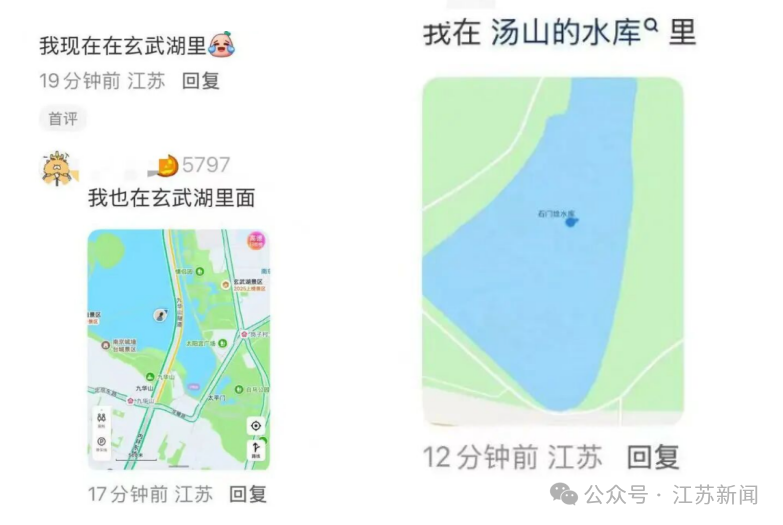
南京导航集体失灵,原因公布:GNSS卫星信号受到临时干扰压制,精准针对北斗、GPS民用频段,北斗军用频率不受影响
Mei Ri Jing Ji Xin Wen· 2025-12-19 12:50
Core Viewpoint - The navigation signal anomaly in Nanjing on December 17, 2025, was caused by temporary interference affecting GNSS satellite signals, not by a network signal interruption [1][2]. Technical Analysis - Offline maps cannot resolve the navigation anomaly as they only store geographic data and do not replace the need for positioning signals [2][3] - Mobile navigation relies on GNSS satellite signals (at least 4 satellites) to calculate position coordinates, making positioning signals and map data independent systems [3] - The interference specifically targeted the civilian frequency bands of Beidou and GPS, leading to unrecognized positioning signals, resulting in navigation failures even with offline maps [3] Strategic Significance - The simultaneous impact on Beidou and GPS signals during the anomaly validates the strategic foresight of China's Beidou system in planning civilian frequency bands [4] - The international satellite navigation spectrum follows a "first come, first served" rule, with GPS having occupied core L-band resources early on, leaving limited quality spectrum for Beidou [4] - The compatibility of Beidou's civilian signal (B1C band) with GPS's civilian signal (L1C band) breaks the spectrum resource blockade and creates a strategic balance, where interference with Beidou also affects GPS applications [4] Military Frequency Resilience - The signal anomaly only affected civilian GNSS frequency bands, while Beidou's military frequencies remained unaffected [5] - Beidou employs a military-civilian frequency separation design, with military frequencies being exclusive and physically isolated from civilian bands [5] - The military system incorporates advanced anti-jamming technologies, ensuring robust resistance to interference and deception, thus maintaining reliable time-space services for national defense and emergency support [5] Context of the Anomaly - If the navigation anomaly was a result of temporary signal control measures for major event security, it falls within standard safety protocols, with signals gradually returning to normal post-event [6] - Reports indicated that multiple navigation software systems experienced failures, leading to delivery delays and operational issues for services like food delivery and bike-sharing [9][17]
南京导航集体失灵,原因公布:本次干扰精准针对北斗、GPS民用频段
中国基金报· 2025-12-19 12:44
Core Viewpoint - The article discusses the navigation signal anomalies that occurred in Nanjing on December 17, 2025, emphasizing the technical reasons behind the issue and the strategic significance of the BeiDou and GPS systems' compatibility. Group 1: Navigation Signal Anomaly - The navigation failure was primarily due to temporary interference suppressing GNSS satellite signals (including BeiDou and GPS), rather than a network signal interruption, making offline maps ineffective [3][4]. - Offline maps only store geographic data and cannot replace the positioning signal source, as mobile navigation relies on GNSS signals from at least four satellites to calculate location coordinates [4]. Group 2: Strategic Significance of BeiDou and GPS Compatibility - The simultaneous impact on both BeiDou and GPS signals during the anomaly validates the strategic foresight of China's BeiDou system's civilian frequency planning [5][6]. - The compatibility of BeiDou's civilian signal (B1C frequency) with GPS's civilian signal (L1C frequency) allows for interoperability, creating a strategic balance where interference with BeiDou also affects GPS, thus deterring malicious disruptions [6]. Group 3: Military Frequency Resilience - The signal anomaly only affected civilian GNSS frequencies, while BeiDou's military frequency remained unaffected due to its separation from civilian frequencies [7]. - BeiDou's military system employs advanced anti-jamming technologies, ensuring robust resistance to interference and maintaining reliable time-space services for national defense and emergency support [7].
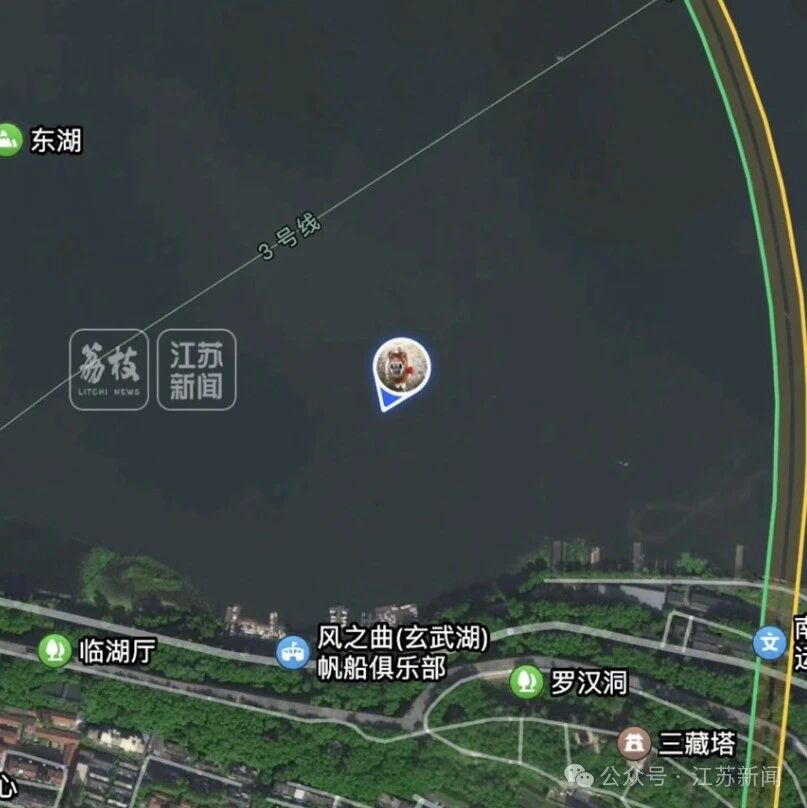
最新通报:卫星信号(含北斗、GPS)受到临时干扰压制,北斗军用频率不受影响
Xin Lang Cai Jing· 2025-12-19 12:44
Core Viewpoint - On December 17, 2025, a navigation signal anomaly occurred in Nanjing, affecting multiple navigation software systems and causing delivery delays for food delivery services due to the inability to access navigation data [12][18]. Group 1: Technical Analysis of the Navigation Anomaly - The core reason for the navigation failure was temporary interference suppression of GNSS satellite signals (including Beidou and GPS), rather than a network signal interruption, making offline maps ineffective [6][20]. - Offline maps only store geographic data and cannot replace the positioning signal source, as mobile navigation relies on GNSS satellite signals to calculate location coordinates [8][21]. - The interference specifically targeted the civilian frequency bands of Beidou and GPS, leading to the inability of receivers to recognize positioning signals, resulting in navigation drift and lack of data feedback [8][22]. Group 2: Strategic Significance of Beidou and GPS Compatibility - The simultaneous impact on Beidou and GPS signals during the anomaly validates the forward-looking strategic vision of China's Beidou system's civilian frequency band planning [8][22]. - The international satellite navigation spectrum resources follow a "first come, first served" rule, with GPS having occupied core L-band resources early on, leaving limited quality spectrum for Beidou [8][22]. - The compatibility of Beidou's civilian signal (B1C band) with GPS's civilian signal (L1C band) not only breaks the spectrum resource blockade but also creates a strategic balance where interference with Beidou also affects GPS applications [8][22]. Group 3: Resilience of Beidou Military Frequency - It is important to note that the signal anomaly only affected civilian GNSS frequency bands, while Beidou's military frequencies remained completely unaffected [9][23]. - The Beidou system employs a military-civilian frequency separation design, with military frequencies being exclusive and physically isolated from civilian bands [9][23]. - The military system is equipped with advanced anti-jamming technology and adaptive filtering algorithms, providing strong resistance to interference and deception, ensuring stable and reliable time-space services for national defense and emergency support [9][23].
南京导航集体失灵,“本次干扰精准针对北斗、GPS民用频段”
Xin Lang Cai Jing· 2025-12-19 12:14
Core Viewpoint - The navigation signal anomaly in Nanjing on December 17, 2025, was caused by temporary interference with GNSS satellite signals, not by a network signal interruption, highlighting the limitations of offline maps in resolving such issues [1][2]. Technical Analysis - Offline maps only store geographic data and cannot replace the source of positioning signals, which rely on GNSS satellite signals from at least four satellites [2] - The interference specifically targeted the civilian frequency bands of Beidou and GPS, preventing the reception of positioning signals, leading to issues like position drift and lack of data feedback even with offline maps [2] - Offline maps are more suitable for areas with satellite positioning signals but without communication network signals, such as oceans or remote mountains [2] Strategic Significance of Beidou and GPS Compatibility - The simultaneous impact on both Beidou and GPS signals during the anomaly validates the strategic foresight of China's Beidou system in planning its civilian frequency bands [3] - The international satellite navigation spectrum follows a "first come, first served" rule, with GPS having occupied core L-band resources early on, leaving limited quality spectrum for Beidou [3] - The compatibility of Beidou's civilian signal (B1C band) with GPS's civilian signal (L1C band) breaks the spectrum resource blockade and creates a strategic balance, where interference with Beidou also affects GPS applications [3] Military Frequency Resilience - The signal anomaly only affected civilian GNSS frequency bands, while Beidou's military frequencies remained unaffected [4] - Beidou employs a military-civilian frequency separation design, with military frequencies being exclusive and physically isolated from civilian bands [4] - The military system incorporates advanced anti-jamming technologies, ensuring strong resilience against interference and deception, providing stable and reliable time-space services for national defense and emergency response [4] Industry Response - The Nanjing Satellite Application Industry Association will continue to monitor industry dynamics and share professional knowledge on satellite navigation technology to enhance public understanding [5] - The association aims to facilitate communication between enterprises and the government, encouraging participation from relevant companies without membership fees [5]
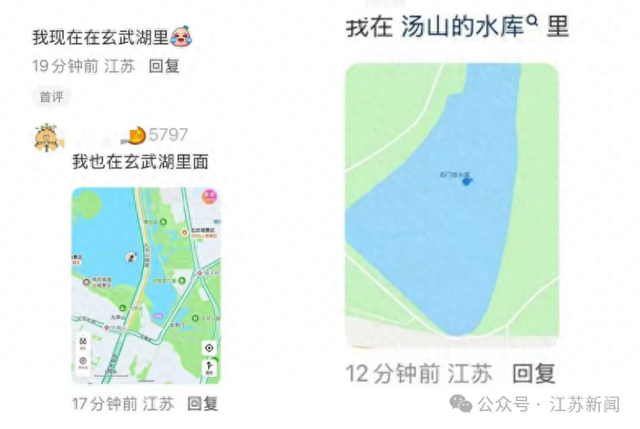
南京区域导航失灵,原因公布
券商中国· 2025-12-19 11:34
Core Viewpoint - The article discusses the navigation signal anomalies that occurred in Nanjing on December 17, 2025, clarifying the technical reasons behind the issue and emphasizing the strategic significance of the BeiDou and GPS systems' compatibility [1]. Group 1: Navigation Signal Anomaly - The core reason for the navigation failure was temporary interference suppressing GNSS satellite signals (including BeiDou and GPS), rather than a network signal interruption, making offline maps ineffective [1][3]. - Offline maps only store geographic data and cannot replace the positioning signal source, as mobile navigation relies on GNSS signals from at least four satellites to calculate location coordinates [3]. Group 2: Strategic Significance of BeiDou and GPS Compatibility - The simultaneous impact on both BeiDou and GPS signals during the anomaly validates the forward-looking strategic vision of China's BeiDou system's civilian frequency planning [1]. - The compatibility of BeiDou's civilian signal (B1C band) with GPS's civilian signal (L1C band) breaks the spectrum resource blockade and creates a strategic balance, where interference with BeiDou also affects GPS applications, enhancing security for civilian navigation services [3]. Group 3: Military Frequency Resilience - The BeiDou system employs a military-civilian frequency separation design, with military frequencies being exclusive and physically isolated from civilian bands, ensuring strong anti-jamming capabilities [3]. - The military system incorporates advanced anti-jamming technologies and algorithms, providing stable and reliable time-space services for national defense and emergency support, unaffected by the civilian signal interference [3].

南京导航集体失灵,原因公布
财联社· 2025-12-19 11:12
Core Viewpoint - The article discusses the navigation signal anomalies that occurred in Nanjing on December 17, 2025, clarifying the technical reasons behind the issue and emphasizing the strategic significance of the Beidou and GPS systems' compatibility [2][3]. Technical Analysis - Offline maps cannot resolve the navigation anomaly as the core issue is the temporary interference suppressing GNSS satellite signals (including Beidou and GPS), not a network signal interruption [3]. - The core function of offline maps is to store geographic data, which only addresses the "map display" issue and cannot replace the positioning signal source [4]. - Mobile navigation relies on GNSS satellite signals (at least 4 satellites) to calculate position coordinates, and the positioning signal and map data are independent systems [4]. - The interference specifically targeted the civilian frequency bands of Beidou and GPS, preventing the positioning signal from being recognized by receivers, leading to issues like position drift and lack of data feedback, making effective navigation impossible [4]. Strategic Significance - The simultaneous impact on both Beidou and GPS signals during the anomaly validates the forward-looking strategic vision of China's Beidou system's civilian frequency band planning [5]. - The international satellite navigation spectrum resources follow a "first come, first served" rule, with GPS having occupied core L-band resources early on, leaving limited quality spectrum for Beidou [5]. - Under the framework of the International Telecommunication Union, the compatibility of Beidou's civilian signal (B1C band) with GPS's civilian signal (L1C band) breaks the spectrum resource blockade and creates a strategic balance where interference with Beidou also affects GPS [5]. - Given the military ties of the U.S. and EU, and NATO's reliance on GPS signals, this frequency compatibility design establishes a significant strategic deterrent against malicious interference, reinforcing the security of China's civilian navigation services [5]. Military Frequency Resilience - It is important to note that the signal anomaly only affected civilian GNSS frequency bands, while the military frequency of Beidou remained unaffected [6]. - The Beidou system employs a military-civilian frequency separation design, with military frequencies being exclusive and confidential, physically isolated from civilian bands [6]. - The military system incorporates advanced digital anti-jamming technology and adaptive intelligent filtering algorithms, enabling precise identification and filtering of interference signals, thus possessing strong anti-jamming and anti-deception capabilities [6][7]. - As a crucial national space infrastructure, the independence and anti-jamming capabilities of Beidou's military frequency provide stable and reliable spatiotemporal services for national defense security and emergency support in critical areas, unaffected by the recent civilian signal interference [7]. Conclusion - If the navigation anomaly was a result of temporary signal control measures for major event security, it is considered a routine safety measure within the industry, with signals gradually returning to normal after the event [8]. - The Nanjing Satellite Application Industry Association will continue to monitor industry dynamics and share professional knowledge on satellite applications to enhance public understanding of satellite navigation technology [9][10].

南卫协回应“南京导航集体失灵”:GNSS卫星信号受到临时干扰压制
Xin Lang Cai Jing· 2025-12-19 10:12
Core Viewpoint - The core issue of the navigation signal anomaly in Nanjing on December 17 is attributed to temporary interference suppressing GNSS satellite signals, including BeiDou and GPS, rather than a network signal interruption [1] Group 1: Technical Analysis - The offline maps are ineffective in resolving the navigation anomaly, as the core problem lies in the GNSS satellite signal interference [1] - Both BeiDou and GPS signals were simultaneously affected, highlighting the strategic foresight in the planning of China's BeiDou system for civilian frequency bands [1] Group 2: Impact on Military and Civilian Use - The signal anomaly only impacted civilian GNSS frequency bands, while the military frequency of BeiDou remained completely unaffected [1]