
移动机器人(AGV)

Search documents
东方精工:东方精工目前直接持有嘉腾机器人19.8366%的股权
Zheng Quan Ri Bao· 2025-12-05 11:44
(文章来源:证券日报) 证券日报网讯 12月5日,东方精工在互动平台回答投资者提问时表示,东方精工目前直接持有嘉腾机器 人19.8366%的股权。参股公司嘉腾机器人专注于移动机器人(AGV)本体的研发和制造,是全球领先 的AGV机器人与智能物流仓储系统提供商、中国工业机器人十大品牌商之一,在过去的二十多年发展 历程中,积累了大量的行业Know-How。公司一以贯之的"1+N"的发展战略,在聚焦核心主业的同时, 紧跟国家发展新质生产力的战略方向号召,战略聚焦"人工智能+机器人"领域,打造重点方向的产业链 投资布局。东方精工在"人工智能+机器人"领域已有嘉腾机器人、若愚科技、乐聚机器人三个股权投资 项目,形成"集群化战略投资"局面。公司对"人工智能+机器人"领域的战略投资,旨在打造"战略投资 +产业协作"的模式,推动自身装备制造能力与标的企业领先技术融合,实现在生产制造、场景应用及 市场开拓方面的协同。 ...


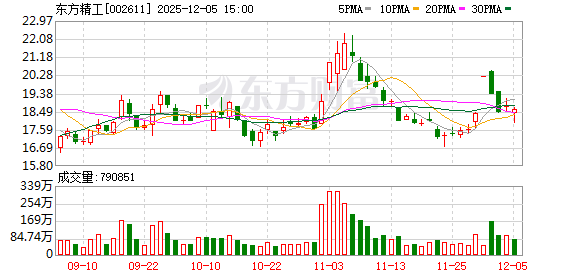
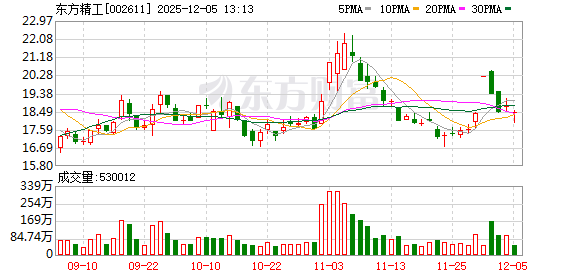
东方精工:公司目前直接持有嘉腾机器人19.8366%的股权
Mei Ri Jing Ji Xin Wen· 2025-12-05 05:12
东方精工(002611.SZ)12月5日在投资者互动平台表示,东方精工目前直接持有嘉腾机器人19.8366%的 股权。参股公司嘉腾机器人专注于移动机器人(AGV)本体的研发和制造,是全球领先的AGV机器人 与智能物流仓储系统提供商、中国工业机器人十大品牌商之一,在过去的二十多年发展历程中,积累了 大量的行业Know-How。公司一以贯之的"1+N"的发展战略,在聚焦核心主业的同时,紧跟国家发展新 质生产力的战略方向号召,战略聚焦"人工智能+机器人"领域,打造重点方向的产业链投资布局。东方 精工在"人工智能+机器人"领域已有嘉腾机器人、若愚科技、乐聚机器人三个股权投资项目,形成"集群 化战略投资"局面。公司对"人工智能+机器人"领域的战略投资,旨在打造"战略投资+产业协作"的模 式,推动自身装备制造能力与标的企业领先技术融合,实现在生产制造、场景应用及市场开拓方面的协 同。 (文章来源:每日经济新闻) 每经AI快讯,有投资者在投资者互动平台提问:公司持有嘉腾机器人近百分之二十的股份,有没有近 一步控股的考虑? ...
机器人港股IPO潮:是一场豪赌还是生存必需?
Xin Lang Cai Jing· 2025-12-03 07:51
Core Insights - The Hong Kong Stock Exchange (HKEX) is becoming a key destination for Chinese robotics companies seeking IPOs, with over 20 firms planning to list by 2025 [1] - The surge in IPOs is driven by two main types of companies: A-share listed firms pursuing a dual listing to enhance international financing and brand influence, and companies benefiting from the new Chapter 18C of the listing rules, which allows unprofitable tech firms to access the market [1][3] - The robotics industry is at a critical juncture, transitioning from technological breakthroughs to large-scale commercialization, prompting increased interest in capital markets [1][10] Industry Trends - As of October 31, 2025, HKEX completed 78 IPOs, raising approximately 210.63 billion HKD, largely due to recent reforms aimed at attracting tech companies [2] - Nearly 30 companies from the robotics supply chain have submitted IPO applications, showcasing a diverse range of firms including new entrants and established A-share companies seeking dual listings [2][3] - The introduction of the Chapter 18C listing rules has created a significant appeal for unprofitable tech companies, with at least 26 firms in the queue for listing [3][5] Financial Strategies - Many companies are focusing their fundraising efforts on technology development, with a high percentage of funds allocated to R&D and product development [8][9] - For instance, Stand Robot plans to allocate 65% of its raised funds to develop a new generation of mobile robot platforms, reflecting the competitive pressures in the industry [8][9] - Established firms like Estun are also using IPO proceeds to optimize financial structures and invest in overseas capacity expansion and next-generation robotics technology [8] Market Dynamics - The HKEX's unique market positioning and diverse regulatory advantages attract global investors and facilitate efficient capital inflow from mainland China [3][4] - The market's liquidity and valuation recovery have created favorable conditions for tech companies to raise funds [4] - However, the influx of companies raises concerns about whether they can secure sufficient capital in a tightening liquidity environment [10] Regulatory Environment - The Chapter 18C rules significantly lower the barriers for unprofitable tech firms, allowing them to list without meeting traditional profitability requirements, provided they meet certain R&D spending criteria [5][6] - Companies must demonstrate substantial R&D investment and secure backing from experienced independent investors to qualify for listing [6][7] - The rules emphasize technological attributes and market potential over profitability, making it a crucial financing channel for robotics firms still in the investment phase [7] Future Outlook - The robotics market in China is projected to exceed 150 billion CNY by 2025, with a compound annual growth rate of 18%, driving companies to pursue IPOs aggressively [10] - The success of these IPOs will depend on the companies' ability to leverage raised funds for technological advancements and market expansion [10][11] - Ultimately, the HKEX serves as a critical platform for companies to enhance their growth potential, but sustainable success will hinge on their core technological capabilities and commercialization strategies [11][12]
