稀土矿开采技术

Search documents
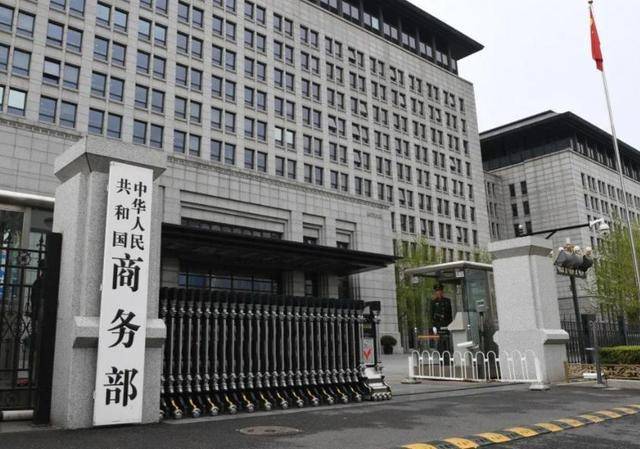
来得真快:中国商务部通告全球,特朗普想不到,中国还留了一手
Sou Hu Cai Jing· 2025-10-09 09:09
Core Viewpoint - The announcement from China's Ministry of Commerce on October 9 outlines a comprehensive regulatory framework for rare earth technology, aiming to protect the entire industry chain and prevent technology leakage, especially in the context of ongoing U.S.-China trade negotiations [2][16][24]. Group 1: Regulatory Framework - The announcement, numbered "2025 No. 62," establishes a multi-layered firewall system covering the entire rare earth industry chain, from mining to high-value production [4][6]. - It includes regulations on recycling technologies for rare earth secondary resources and related service knowledge, creating a complete technological closed loop [6][8]. - A notable provision requires licenses for exports of non-restricted items if the exporter is aware that they will be used for rare earth-related activities abroad, indicating a proactive approach to prevent technology outflow [8][10]. Group 2: Knowledge and Human Capital - The announcement identifies all Chinese citizens, legal entities, and organizations as applicable subjects, emphasizing the protection of human capital as a core asset [12][14]. - It redefines knowledge transfer, including investment, education, and joint research, as controlled technology transfer, thus placing restrictions on previously normal international collaborations [14][16]. - The regulation aims to prevent the acquisition of sensitive technologies through high-salary recruitment and other means, highlighting the importance of protecting expert knowledge [10][12]. Group 3: Strategic Implications - The timing of the announcement is strategically significant, as it coincides with ongoing trade negotiations, positioning it as a countermeasure against Western technology restrictions [16][18]. - China's control over rare earth technology is seen as a non-symmetric tool to counteract efforts by the U.S. and its allies to reduce reliance on Chinese supply chains [18][20]. - The announcement effectively disrupts Western countries' attempts to develop alternative supply chains, as they lack the necessary purification technology and complete industry chain that China possesses [20][22]. Group 4: Future Outlook - The regulatory measures signify a shift in the global technology landscape, with China asserting that core technologies will not be relinquished easily [24][26]. - The focus on intellectual property and knowledge as strategic resources suggests that future international competition will increasingly revolve around technological sovereignty [26].