
稀土技术出口管制

Search documents
中国这张王牌亮出后,美国紧急寻求多国帮助,与澳签订85亿大单
Sou Hu Cai Jing· 2025-10-27 11:26
Core Viewpoint - China's announcement of strict export controls on rare earth technology marks a significant escalation in its strategy, directly impacting the Western high-tech industry [2][5][18] Group 1: Export Control Announcement - The announcement aims to safeguard national security and interests by implementing strict export controls on rare earth-related technologies [5] - This marks a transition from "item restrictions" to "technology blockade," indicating a comprehensive approach to controlling rare earth technology [5][9] Group 2: Scope and Precision of Controls - The new controls cover the entire supply chain, including mining, smelting, separation, and manufacturing of magnetic materials, and even extends to design blueprints and process parameters [7][9] - The controls also include a blacklist system for precise management, enhancing the deterrent effect of the regulations [9] Group 3: Impact on Semiconductor Industry - The controls specifically target the semiconductor industry by including equipment for producing logic chips below 14nm and storage chips above 256 layers in the sensitive use review [10] - This is a direct countermeasure against Western efforts to restrict China's access to high-end manufacturing equipment [10] Group 4: U.S. Response and Challenges - The U.S. and its allies are attempting to compensate globally by forming partnerships and agreements to boost their rare earth industries, but face significant challenges [12] - Current U.S. production capabilities can only meet about 15% of domestic needs, and rebuilding the entire supply chain will require substantial investment and time [12] Group 5: Strategic Implications - China's control over rare earth technology is seen as a strategic advantage that could shift the balance in high-tech sectors if maintained for five years [20] - This period could allow China to accelerate breakthroughs in domestic chip and high-end manufacturing, while the West will continue to expend resources in rebuilding its rare earth supply chain [20]

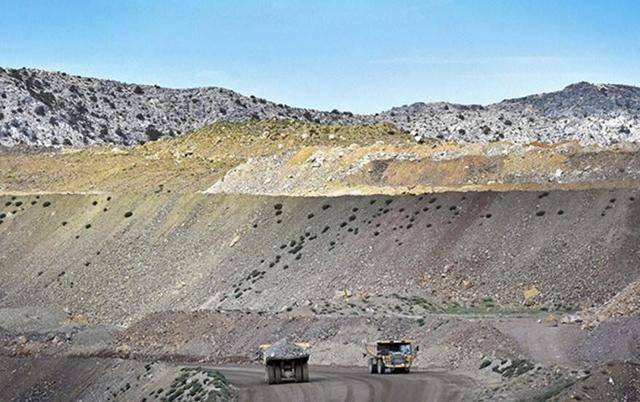
商务部瞅准时机,再砸下一记铁拳,直接打碎美国及其盟友的稀土梦
Sou Hu Cai Jing· 2025-10-10 04:14
Core Viewpoint - The Ministry of Commerce has implemented strict export controls on rare earth technologies, effectively disrupting the hopes of the U.S. and its allies for independent rare earth supply chains [1][6]. Summary by Sections Export Control Measures - The new regulations prohibit the export of certain items without permission, focusing on key technologies and processes throughout the entire rare earth industry chain, including extraction, smelting, and recycling technologies [3]. - The regulations apply to all exporters involved in rare earth technologies, including Chinese citizens and organizations operating within China [3]. - Exporters must obtain permission from authorities before exporting, with specific compliance requirements outlined [3]. Historical Context - The export control measures are part of a long-term strategy that began over a decade ago, evolving gradually as market conditions and technological capabilities matured [5]. - The tightening of controls is a response to increased smuggling cases and efforts by the U.S. and allies to establish independent rare earth supply chains [5]. Humanitarian Exemption - Although there is a humanitarian exemption, its application is strictly regulated to prevent misuse, requiring confirmation from Chinese authorities for specific uses [6][8]. - Exporters must submit a "usage commitment" before exporting, and any false declarations will lead to severe penalties, including fines and potential criminal charges [8]. Strategic Impact - The export controls are designed to effectively block unauthorized technology outflows, creating significant obstacles for the U.S. and its allies in their attempts to build independent rare earth supply chains [9]. - Without access to critical technologies, these countries face increased challenges in developing complete industrial capabilities in the rare earth sector [9].

稀土技术出口管制新规来了,这次亮出的不只是资源牌!
Sou Hu Cai Jing· 2025-10-10 00:33
Core Viewpoint - The Ministry of Commerce has officially announced export controls on rare earth-related technologies, which now include not only mining, smelting, and magnetic material manufacturing but also assembly, debugging, and maintenance of production lines. Additionally, any overseas rare earth products containing Chinese materials or technologies, with a Chinese component exceeding 0.1%, will require a license for export, reflecting China's strategic approach to technology protection [1][5]. Group 1 - Rare earths are referred to as industrial vitamins, essential for various high-tech industries, with China being a major player in both reserves and processing technology, accounting for over 80% of separation and purification technology and 90% of high-performance magnetic material production [3]. - There have been instances of foreign organizations illegally acquiring rare earth technologies from China, establishing production facilities abroad, and selling products to military or sensitive sectors. The new regulations aim to close loopholes and provide a dual layer of protection for rare earth technologies [5][6]. - The transition from merely selling rare earth minerals to regulating rare earth technologies is significant, emphasizing that China's rare earth resources are not just raw materials but also encompass advanced technologies and rules governing the industry [8]. Group 2 - The clarified regulations are expected to enhance compliance in international cooperation, as China, being a core node in the global rare earth supply chain, aims to secure technology safety without isolating itself from global markets [9].
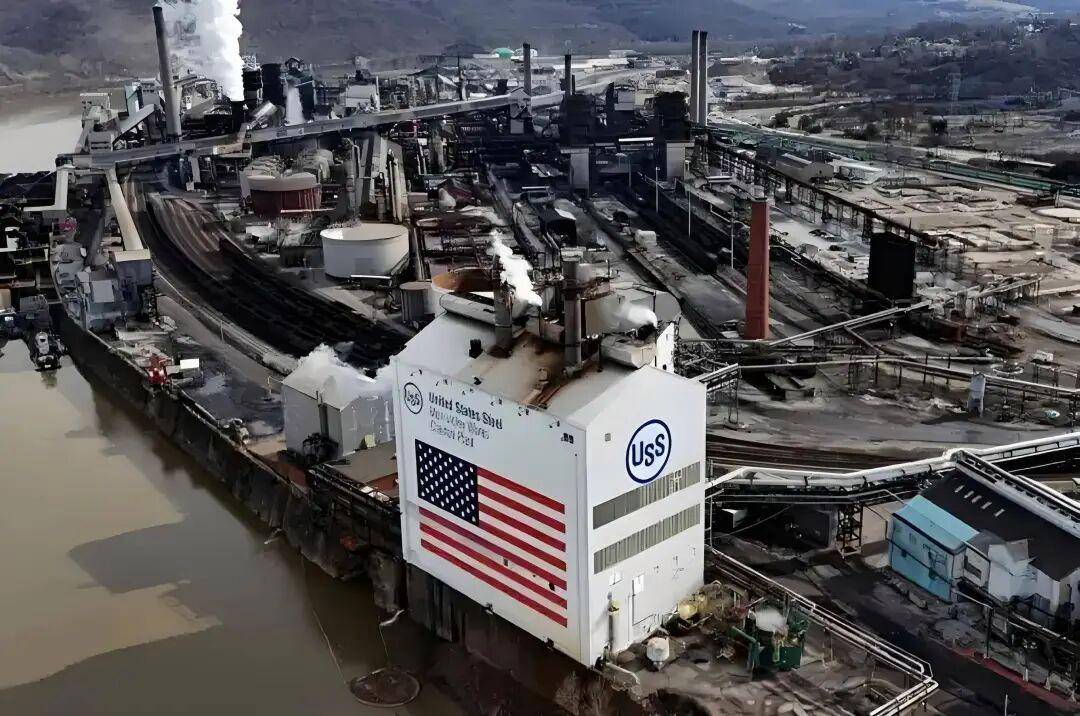
美国有矿也无用!全球90%稀土依赖中国,这次直接放大招!
Sou Hu Cai Jing· 2025-10-09 16:43
Core Insights - China has escalated its rare earth control strategy to a "technical stranglehold" mode, restricting not only the sale of rare earths but also the technology and equipment for mining, refining, and recycling [2][5] - The global rare earth landscape has shifted, with China now holding less than 40% of global reserves, while the U.S. has significant mining capabilities and can source from allies like Canada and Australia [2][3] - The U.S. struggles to convert raw materials into high-tech products due to a lack of necessary technology and expertise, with 90% of refining capacity and 70% of patents concentrated in China [2][3] Industry Impact - The new regulations significantly impact U.S. military operations, as 77% of critical minerals for the military rely on China, with the Navy exceeding 90% [3] - The U.S. has invested $10 billion to develop its own supply chain, but establishing factories will take years, and environmental protests pose additional challenges [3][5] - China's control over the entire technology chain for rare earths, from mining to recycling, has been in place since 2001, with recent expansions in October to include all core technologies [5][9] Global Reactions - The global industry is reacting with urgency, as Germany and Canada are forming partnerships for mineral cooperation, while Japan is actively seeking new sources of rare earths [7] - Companies in Europe and the U.S. are accelerating research into alternative technologies to reduce dependence on Chinese rare earths, but experts believe it will take at least a decade to achieve significant progress [7][9] Technological Advantage - China possesses advanced technologies that reduce rare earth processing costs by 30% and employs green smelting processes, enhancing its competitive edge [9] - Major automotive companies like Ford and General Motors have received temporary export licenses, indicating a potential for collaboration amidst the restrictions [9]
来得真快:中国商务部通告全球,特朗普想不到,中国还留了一手
Sou Hu Cai Jing· 2025-10-09 09:09
Core Viewpoint - The announcement from China's Ministry of Commerce on October 9 outlines a comprehensive regulatory framework for rare earth technology, aiming to protect the entire industry chain and prevent technology leakage, especially in the context of ongoing U.S.-China trade negotiations [2][16][24]. Group 1: Regulatory Framework - The announcement, numbered "2025 No. 62," establishes a multi-layered firewall system covering the entire rare earth industry chain, from mining to high-value production [4][6]. - It includes regulations on recycling technologies for rare earth secondary resources and related service knowledge, creating a complete technological closed loop [6][8]. - A notable provision requires licenses for exports of non-restricted items if the exporter is aware that they will be used for rare earth-related activities abroad, indicating a proactive approach to prevent technology outflow [8][10]. Group 2: Knowledge and Human Capital - The announcement identifies all Chinese citizens, legal entities, and organizations as applicable subjects, emphasizing the protection of human capital as a core asset [12][14]. - It redefines knowledge transfer, including investment, education, and joint research, as controlled technology transfer, thus placing restrictions on previously normal international collaborations [14][16]. - The regulation aims to prevent the acquisition of sensitive technologies through high-salary recruitment and other means, highlighting the importance of protecting expert knowledge [10][12]. Group 3: Strategic Implications - The timing of the announcement is strategically significant, as it coincides with ongoing trade negotiations, positioning it as a countermeasure against Western technology restrictions [16][18]. - China's control over rare earth technology is seen as a non-symmetric tool to counteract efforts by the U.S. and its allies to reduce reliance on Chinese supply chains [18][20]. - The announcement effectively disrupts Western countries' attempts to develop alternative supply chains, as they lack the necessary purification technology and complete industry chain that China possesses [20][22]. Group 4: Future Outlook - The regulatory measures signify a shift in the global technology landscape, with China asserting that core technologies will not be relinquished easily [24][26]. - The focus on intellectual property and knowledge as strategic resources suggests that future international competition will increasingly revolve around technological sovereignty [26].
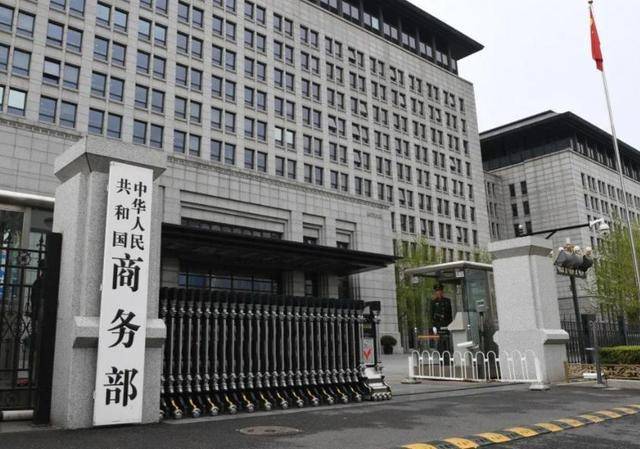
稀土相关技术,出口管制!
Jing Ji Wang· 2025-10-09 02:17
Core Points - The Ministry of Commerce announced export controls on rare earth-related technologies to safeguard national security and interests [1][5] - Exporters must obtain permission for exporting specific rare earth technologies and related items [1][2] Group 1: Export Control Regulations - The announcement specifies that technologies related to rare earth mining, separation, metallurgy, magnetic material manufacturing, and recycling of rare earth secondary resources require export licenses [1][2] - Exporters are defined as Chinese citizens, legal entities, and organizations within China, and the term "export" encompasses various forms of transfer, including trade and intellectual property licensing [2][3] Group 2: Compliance and Reporting - Exporters must apply for export licenses and provide necessary documentation, including explanations of the controlled technology being transferred [3][4] - There is an emphasis on compliance awareness, with exporters required to understand the characteristics and intended uses of their goods and technologies [3][4] Group 3: Prohibitions and Penalties - Individuals and organizations are prohibited from providing substantial assistance for overseas rare earth activities without permission, with violations subject to penalties under relevant laws [4][5] - The announcement will take effect immediately, and the list of controlled items will be updated accordingly [5]