红叶

Search documents
春节我在岗丨高山守岁护平安 气象护航暖新春
Xin Lang Cai Jing· 2026-02-20 03:09
Core Viewpoint - The article highlights the dedication and efforts of the Luanchuan County Meteorological Bureau in providing timely and precise weather services during the Spring Festival, ensuring public safety and enhancing the tourist experience at the Laojun Mountain scenic area [1][2][6]. Group 1: Meteorological Services - The Luanchuan County Meteorological Bureau implemented a comprehensive weather monitoring and forecasting system to ensure accurate data collection and timely reporting, especially during the busy Spring Festival period [1][2]. - A specialized weather service plan was developed for the Laojun Mountain scenic area, focusing on the unique needs of tourists and the operational requirements of the scenic area [2][4]. - The bureau established a real-time communication mechanism with the scenic area management, providing daily weather reports and early warnings for adverse weather conditions such as rain, snow, and icy roads [2][4]. Group 2: Technological Integration - The meteorological team constructed three gradient observation systems in key areas of Laojun Mountain to achieve comprehensive monitoring of weather elements at different altitudes [2][4]. - A negative oxygen ion observation station was also established to monitor the moisture content of combustible materials in the forest, contributing to a holistic monitoring system [2][4]. - The bureau developed specialized forecast products focusing on specific weather conditions such as mountain top temperature, wind speed, visibility, snowfall, and ice formation, enhancing the precision of weather services [4][6]. Group 3: Community Engagement - The meteorological bureau utilized various communication channels, including social media and emergency broadcasts, to disseminate weather forecasts and disaster prevention advice to the public and relevant government departments [1][2]. - The services provided effectively reduced the impact of weather on the operation of the scenic area, ensuring a safe and orderly experience for thousands of visitors during the holiday [2][6]. - The commitment of the meteorological staff to their duties, even in harsh conditions, reflects a strong sense of responsibility and dedication to public service [1][6].

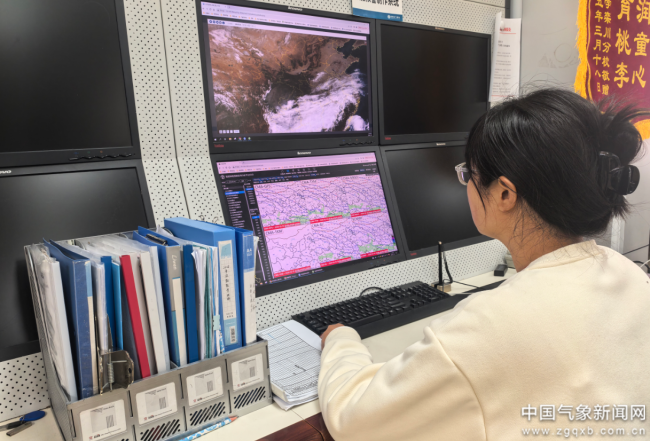
从萎蔫萧瑟到层林尽染,京城红叶为何晚红一周?
Bei Jing Ri Bao Ke Hu Duan· 2025-11-04 02:01
Core Insights - The peak viewing period for autumn leaves in Beijing has been delayed by about a week this year due to unfavorable weather conditions and plant diseases [5][6][9] - The best viewing period for red leaves in major parks like Fragrant Hills is from October 25 to November 15, with a red leaf rate of up to 80% for certain species [5][9] Weather Conditions - The combination of high temperatures and prolonged rainy weather in September and early October has negatively impacted the color change of leaves [6][8] - Ideal conditions for leaf color change include significant temperature drops and strong sunlight, which were lacking earlier in the season [6][8] Plant Health Issues - The health of the yellow-leaf trees has been compromised by diseases such as powdery mildew and wilt disease, affecting their ability to change color [8][9] - The wilt disease is caused by a soil-borne fungus that has persisted in the soil for years, complicating control efforts, especially in mountainous areas [9] Viewing Opportunities - Despite the delay in red leaf color change, other colorful foliage can be found in various parks, including ginkgo and purple leaf plants, providing diverse viewing options [11][12][14] - The Olympic Forest Park is highlighted for its vibrant ginkgo trees, which have already turned bright yellow, attracting many visitors [11][12]
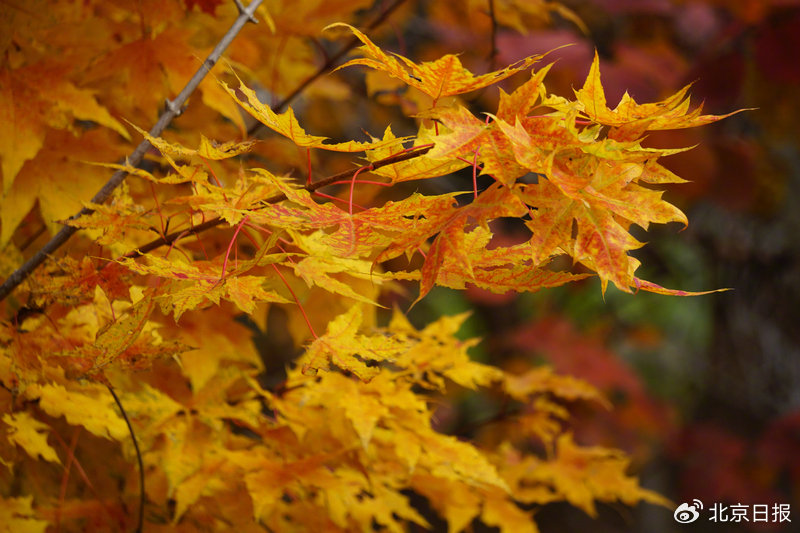
视频丨赏秋时节 “捡秋”有度才能留住秋日好时光
Yang Shi Xin Wen Ke Hu Duan· 2025-11-03 06:10
Core Viewpoint - The article highlights the beauty of autumn in Beijing, emphasizing the vibrant colors of leaves and the enjoyment of visitors, while also addressing the negative impact of some tourists' behaviors on the environment and local wildlife [3][10][22]. Group 1: Autumn Experience - Beijing's autumn showcases a variety of colorful leaves, with parks like Tian Tan, Di Tan, and Xiang Shan displaying trees such as ginkgo, maple, and yellow horn [3][10]. - Visitors are actively engaging in activities like collecting leaves and fruits, creating unique decorations and art pieces [7][10]. Group 2: Environmental Concerns - Some tourists exhibit uncivilized behaviors, such as picking leaves from trees and climbing them for better photos, which can damage the trees [10][12]. - Reports indicate that certain trees, like persimmon trees, have been stripped of their fruits due to excessive picking, leading to broken branches and potential harm to the plants [12][22]. Group 3: Wildlife Impact - The collection of nuts and fruits by visitors can significantly affect local wildlife, as these are essential food sources for animals during winter [19][22]. - Unregulated feeding of wild animals by tourists poses health risks to the animals and can lead to pollution of water bodies [20][22].