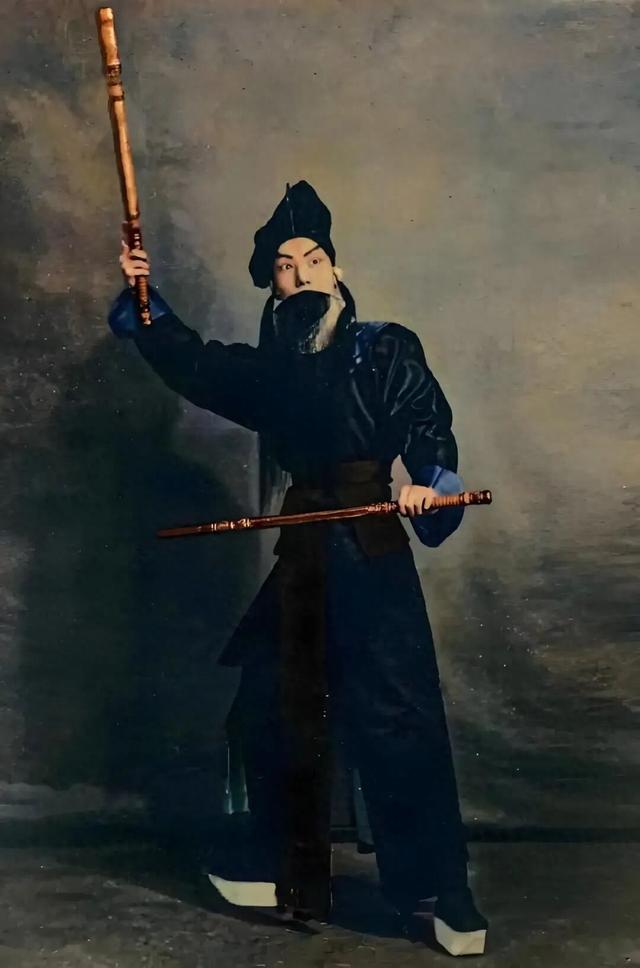
红鬃烈马

Search documents
马年马戏 丰富多彩
Xin Lang Cai Jing· 2026-02-19 13:46
Core Viewpoint - The article highlights the significance of traditional Chinese opera, particularly Peking opera, in celebrating cultural heritage through various horse-themed performances during the Year of the Horse, showcasing unique narratives and artistic expressions [1][18]. Group 1: Key Performances - "Qin Qiong Sells His Horse" is a classic piece from the Tan school, illustrating themes of heroism and friendship through the story of Qin Qiong selling his beloved horse to overcome hardship [3][4]. - "Stealing the Imperial Horse" features the character Dou Er Dun, who steals a prized horse to fight against corruption, emphasizing themes of justice and camaraderie [7][8]. - "Red Mane Horse" tells the story of Wang Bao Chuan and Xue Ping Gui, highlighting loyalty and perseverance, with the horse symbolizing pivotal moments in their lives [10][11]. Group 2: Artistic Elements - The performances are characterized by distinct vocal styles and emotional depth, with "Qin Qiong Sells His Horse" noted for its rich vocal expression and the ability to convey complex emotions through singing [4][12]. - "Stealing the Imperial Horse" requires a combination of vocal strength and physical performance, showcasing the unique demands of the role of Dou Er Dun [8][17]. - "Red Mane Horse" features a blend of various roles, including sheng, dan, jing, and chou, demonstrating the versatility and richness of Peking opera [10][12]. Group 3: Cultural Significance - The horse-themed operas reflect the deep cultural roots and storytelling traditions of China, with each performance serving as a medium to convey moral lessons and historical narratives [1][18]. - The enduring popularity of these operas, such as "Red Mane Horse," indicates their importance in contemporary cultural celebrations and their role in preserving traditional art forms [12][18].