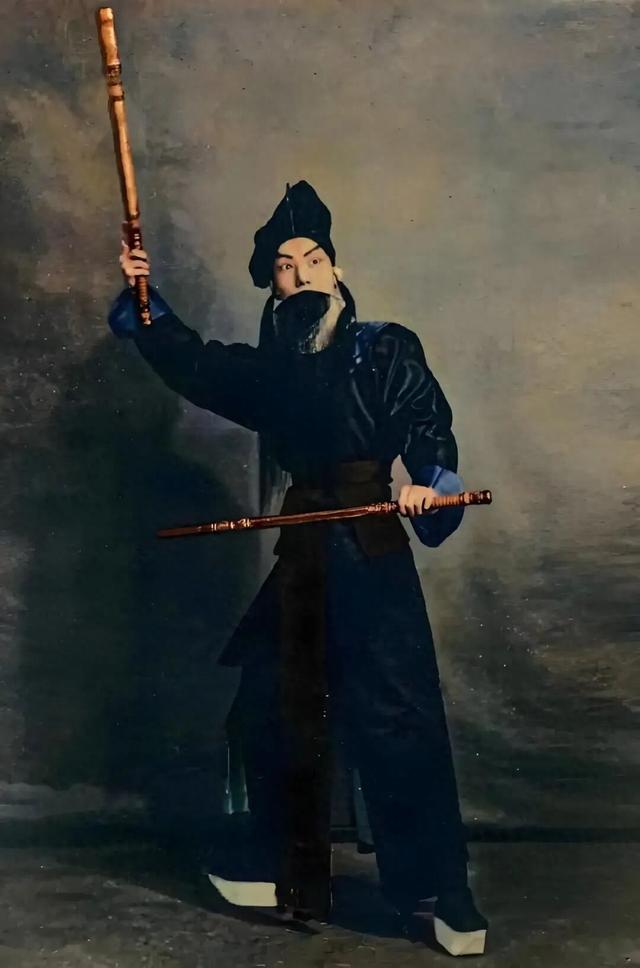
《盗御马》

Search documents
马年马戏 丰富多彩
Xin Lang Cai Jing· 2026-02-19 13:46
Core Viewpoint - The article highlights the significance of traditional Chinese opera, particularly Peking opera, in celebrating cultural heritage through various horse-themed performances during the Year of the Horse, showcasing unique narratives and artistic expressions [1][18]. Group 1: Key Performances - "Qin Qiong Sells His Horse" is a classic piece from the Tan school, illustrating themes of heroism and friendship through the story of Qin Qiong selling his beloved horse to overcome hardship [3][4]. - "Stealing the Imperial Horse" features the character Dou Er Dun, who steals a prized horse to fight against corruption, emphasizing themes of justice and camaraderie [7][8]. - "Red Mane Horse" tells the story of Wang Bao Chuan and Xue Ping Gui, highlighting loyalty and perseverance, with the horse symbolizing pivotal moments in their lives [10][11]. Group 2: Artistic Elements - The performances are characterized by distinct vocal styles and emotional depth, with "Qin Qiong Sells His Horse" noted for its rich vocal expression and the ability to convey complex emotions through singing [4][12]. - "Stealing the Imperial Horse" requires a combination of vocal strength and physical performance, showcasing the unique demands of the role of Dou Er Dun [8][17]. - "Red Mane Horse" features a blend of various roles, including sheng, dan, jing, and chou, demonstrating the versatility and richness of Peking opera [10][12]. Group 3: Cultural Significance - The horse-themed operas reflect the deep cultural roots and storytelling traditions of China, with each performance serving as a medium to convey moral lessons and historical narratives [1][18]. - The enduring popularity of these operas, such as "Red Mane Horse," indicates their importance in contemporary cultural celebrations and their role in preserving traditional art forms [12][18].

马年新春迎好“戏” 梨园名家聚永济
Xin Lang Cai Jing· 2026-02-14 10:21
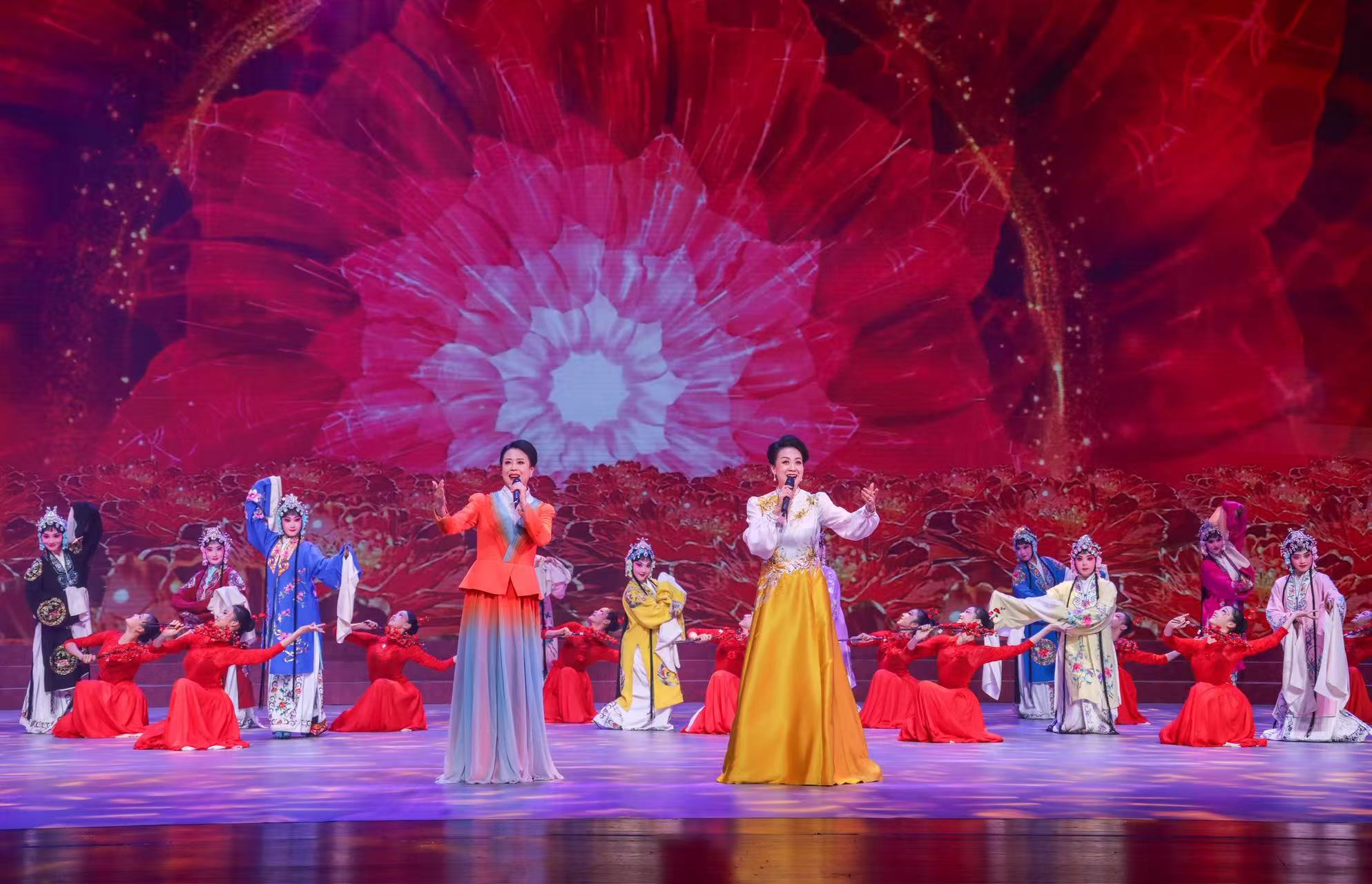
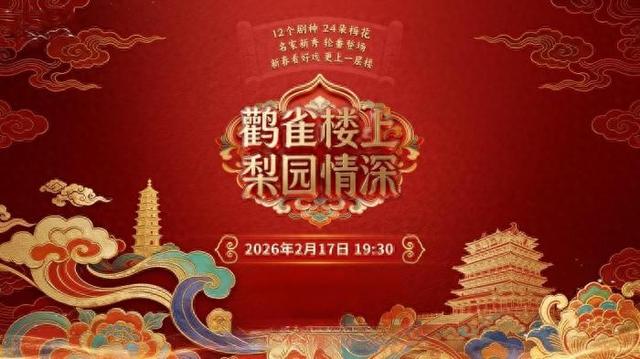
Core Viewpoint - The Spring Festival opera program "On Stork Tower, Deep in the Pear Garden" will premiere on the first day of the Lunar New Year, showcasing a blend of traditional opera, folk customs, and cultural heritage to celebrate the New Year [1] Group 1: Program Overview - The program is centered around the theme "Opera Rhythm Celebrates the New Year, Cultural Heritage Transmits for Thousands of Years" and features renowned opera artists from both northern and southern China [1][3] - The recording location is in Yongji City, Shanxi Province, known for its rich historical and cultural resources, enhancing the program's cultural depth through various dimensions such as natural scenery, intangible cultural heritage, love legends, historical sites, and folk customs [3] Group 2: Performance Highlights - The program includes a variety of performances such as traditional non-heritage acts like "Yongji Back Ice," "Yongji Flying Lion," and "Puzhou Umbrella Yangge," along with a mix of music and dance [3][5] - A segment titled "New Year Food Opera Challenge" features interactive games where guests guess themes related to opera, the New Year, and Shanxi cuisine, showcasing creativity and engagement [3] Group 3: Special Segments - The program features a fun segment based on the classic opera "The West Chamber," with various performances and improvisations that highlight the charm of traditional Chinese opera [5]
“马——来!”
Xin Lang Cai Jing· 2026-02-08 07:09
Group 1 - The year 2026, which is the Year of the Horse, is characterized by the heavenly stem "Bing" and is expected to be a dynamic and vibrant year, marked by enthusiasm among the populace [2] - The horse symbolizes loyalty in Chinese culture and is associated with various idioms and artistic representations, reflecting its significance in governance and societal values [1] - The horse is ranked seventh in the Chinese zodiac and is associated with the fire element, which represents qualities such as politeness, urgency, eloquence, and creativity [1]
2026山东新年文艺晚会精彩呈现
Ren Min Wang· 2026-01-03 09:07
Core Viewpoint - The 2026 Shandong New Year Art Gala aims to celebrate the New Year with high-quality artistic performances, featuring renowned artists and a variety of art forms, including drama and acrobatics, in a public and open manner to share artistic achievements with the community [1] Group 1: Performance Highlights - The gala's opera segment, themed "Plum Blossoms Blooming in Qilu," showcases traditional and contemporary performances, including a Peking opera piece by Wang Yan and a Henan opera segment by Feng Xia, highlighting the rich cultural heritage [2] - The "Classic Inheritance" chapter focuses on Peking opera and red classics, featuring performances from Mei Hua Award winners and renowned artists, bringing historical narratives to life through music and drama [5] - The "New Life for Old Plays" chapter includes performances from various regional opera styles, emphasizing the emotional depth and cultural significance of traditional Chinese theater [6] Group 2: Acrobatics and Magic - The acrobatics and magic segment, themed "Qilu Marvels," integrates local cultural symbols into performances, showcasing the unique artistry of Shandong while maintaining national standards [10] - Notable acts include "The Soul of the Mountain," which creatively transforms traditional acrobatic techniques, and "The Magic Moment," where renowned magician Fu Yandong captivates the audience with stunning illusions [11] - The performances highlight the beauty of traditional Chinese culture, with acts like "Dragon Leaps Across the Land" combining elements of Peking opera, classical dance, and martial arts [13] Group 3: Audience Engagement and Reach - The gala utilized interactive elements and innovative narrative techniques to enhance the viewing experience, making the performances more engaging and story-driven [15] - The event was broadcasted live across multiple media platforms, attracting over 8.6 million online viewers, indicating a strong interest in traditional arts and cultural events [15]