
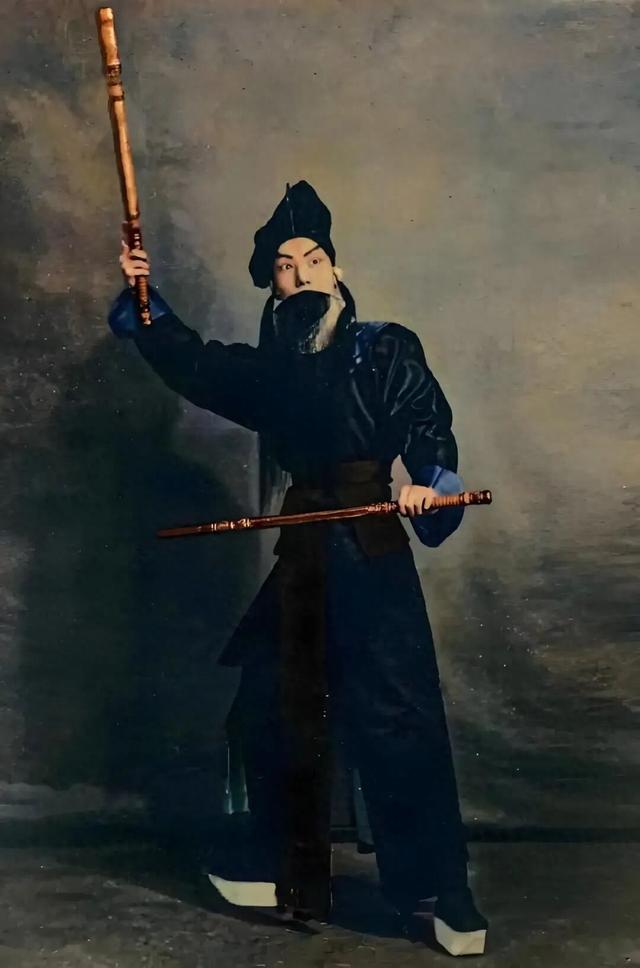
《红鬃烈马》

Search documents
上海新春舞台有新招有坚守 戏里戏外功夫做足 市场火热迎开门红
Jie Fang Ri Bao· 2026-02-25 01:24
Group 1 - The "Hundred Years of Tianchan" series activities will run throughout 2026, focusing on enhancing artistic presentation, service, space optimization, and internal management [2] - The Shanghai Acrobatic Troupe introduced animal performers to commercial areas for the first time, with three major performances during the Spring Festival attracting over 20,000 attendees and generating nearly 3 million yuan in ticket sales [2] - The popularity of various performances, including different versions of "Dream of the Red Chamber," indicates a strong demand for traditional Chinese theater during the Spring Festival [2][3] Group 2 - The Shanghai Dramatic Arts Center is actively preparing for various performances, emphasizing the importance of human interaction and emotional connection in the face of AI competition [4] - The center is hosting a range of productions, including revivals and premieres, to cater to diverse audience interests during the festive season [4] - The focus on immersive experiences and cultural engagement is evident in the various activities and merchandise related to the "Hundred Years of Tianchan" celebration [1][2]
马年马戏 丰富多彩
Xin Lang Cai Jing· 2026-02-19 13:46
Core Viewpoint - The article highlights the significance of traditional Chinese opera, particularly Peking opera, in celebrating cultural heritage through various horse-themed performances during the Year of the Horse, showcasing unique narratives and artistic expressions [1][18]. Group 1: Key Performances - "Qin Qiong Sells His Horse" is a classic piece from the Tan school, illustrating themes of heroism and friendship through the story of Qin Qiong selling his beloved horse to overcome hardship [3][4]. - "Stealing the Imperial Horse" features the character Dou Er Dun, who steals a prized horse to fight against corruption, emphasizing themes of justice and camaraderie [7][8]. - "Red Mane Horse" tells the story of Wang Bao Chuan and Xue Ping Gui, highlighting loyalty and perseverance, with the horse symbolizing pivotal moments in their lives [10][11]. Group 2: Artistic Elements - The performances are characterized by distinct vocal styles and emotional depth, with "Qin Qiong Sells His Horse" noted for its rich vocal expression and the ability to convey complex emotions through singing [4][12]. - "Stealing the Imperial Horse" requires a combination of vocal strength and physical performance, showcasing the unique demands of the role of Dou Er Dun [8][17]. - "Red Mane Horse" features a blend of various roles, including sheng, dan, jing, and chou, demonstrating the versatility and richness of Peking opera [10][12]. Group 3: Cultural Significance - The horse-themed operas reflect the deep cultural roots and storytelling traditions of China, with each performance serving as a medium to convey moral lessons and historical narratives [1][18]. - The enduring popularity of these operas, such as "Red Mane Horse," indicates their importance in contemporary cultural celebrations and their role in preserving traditional art forms [12][18].

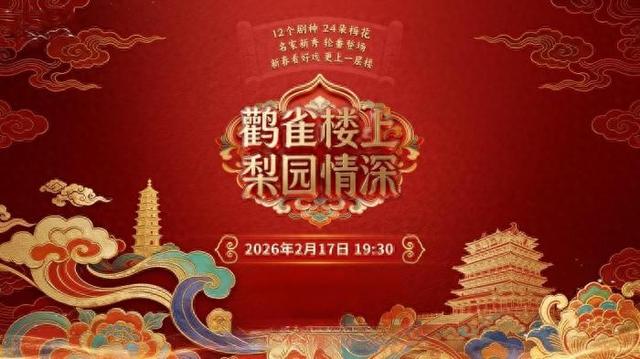
马年新春迎好“戏” 梨园名家聚永济
Xin Lang Cai Jing· 2026-02-14 10:21
Core Viewpoint - The Spring Festival opera program "On Stork Tower, Deep in the Pear Garden" will premiere on the first day of the Lunar New Year, showcasing a blend of traditional opera, folk customs, and cultural heritage to celebrate the New Year [1] Group 1: Program Overview - The program is centered around the theme "Opera Rhythm Celebrates the New Year, Cultural Heritage Transmits for Thousands of Years" and features renowned opera artists from both northern and southern China [1][3] - The recording location is in Yongji City, Shanxi Province, known for its rich historical and cultural resources, enhancing the program's cultural depth through various dimensions such as natural scenery, intangible cultural heritage, love legends, historical sites, and folk customs [3] Group 2: Performance Highlights - The program includes a variety of performances such as traditional non-heritage acts like "Yongji Back Ice," "Yongji Flying Lion," and "Puzhou Umbrella Yangge," along with a mix of music and dance [3][5] - A segment titled "New Year Food Opera Challenge" features interactive games where guests guess themes related to opera, the New Year, and Shanxi cuisine, showcasing creativity and engagement [3] Group 3: Special Segments - The program features a fun segment based on the classic opera "The West Chamber," with various performances and improvisations that highlight the charm of traditional Chinese opera [5]
春节期间国家大剧院·戏剧场演出预告
Bei Jing Ri Bao Ke Hu Duan· 2026-02-12 07:51
Group 1 - The performances include traditional Chinese operas such as "The Red Mane Horse" and "The Locking Silk Pouch," showcasing various historical narratives and character arcs [14][20][35] - The cast features notable actors like Zhu Qiang and Zhang Kai, portraying key characters in the operas, which adds to the cultural significance of the performances [4][6][8][12] - The events are scheduled to take place during the Lunar New Year celebrations, indicating a cultural emphasis on family reunions and traditional storytelling [2][24][38] Group 2 - The storyline of "The Red Mane Horse" revolves around the reunion of Xue Pinggui and his wife Wang Baochuan after years of separation, highlighting themes of loyalty and perseverance [14][21] - "The Locking Silk Pouch" tells the tale of Xue Xiangling, who, after a series of misfortunes, reunites with her family, emphasizing the importance of compassion and familial bonds [20][22] - "The Heroes' Meeting" depicts the strategic maneuvers during the Battle of Red Cliffs, showcasing the historical context of the Three Kingdoms period and the clever tactics employed by figures like Zhuge Liang [35][36]
“马——来!”
Xin Lang Cai Jing· 2026-02-08 07:09
Group 1 - The year 2026, which is the Year of the Horse, is characterized by the heavenly stem "Bing" and is expected to be a dynamic and vibrant year, marked by enthusiasm among the populace [2] - The horse symbolizes loyalty in Chinese culture and is associated with various idioms and artistic representations, reflecting its significance in governance and societal values [1] - The horse is ranked seventh in the Chinese zodiac and is associated with the fire element, which represents qualities such as politeness, urgency, eloquence, and creativity [1]
阅读点亮我的人生(文化中国行·人文观察)
Ren Min Ri Bao· 2026-02-01 02:40
Core Viewpoint - The article emphasizes the transformative power of reading in shaping individuals' lives and perspectives, highlighting its role in personal growth and cultural understanding [6][18]. Group 1: Importance of Reading - Reading is portrayed as a vital activity that enriches individuals' inner worlds and provides strength in challenging times [10][21]. - The implementation of the "National Reading Promotion Regulations" aims to enhance the legal framework for building a reading society, fostering a culture of reading [6][18]. Group 2: Personal Experiences with Reading - Various authors share their personal journeys, illustrating how reading has influenced their life choices and career paths, such as becoming educators or cultural workers [15][16][19]. - The narratives reflect on the impact of specific books and authors, demonstrating how literature can inspire and guide individuals through different life stages [15][19]. Group 3: Cultural and Historical Context - The evolution of Chinese drama and literature is discussed, showcasing the blend of romanticism and realism throughout history, which has been a source of inspiration for many artists [9][10]. - The article highlights the importance of understanding cultural heritage through reading, as it connects individuals to their roots and broadens their worldview [9][10][19].
曲终人不散 京韵连两岸——大陆京剧名家赴台演出记
Xin Hua Wang· 2025-08-14 23:09
Core Viewpoint - The article highlights the cultural exchange between mainland China and Taiwan through the performances of renowned Peking opera artists, emphasizing the significance of these events in fostering appreciation for traditional Chinese culture and building connections across the strait [1][6]. Group 1: Performance Details - A group of 80 renowned Peking opera artists, led by Yu Kuiti and Li Shengsu, performed classic plays such as "The Four Sons Visit Their Mother" and "The Red Mane Horse" in Taipei from August 12 to 17, providing a rich cultural experience for local audiences [1][2]. - This event marks a continuation of a 32-year tradition of Peking opera performances in Taiwan, which began in 1993 with the first visit of the National Peking Opera Company [1][2]. Group 2: Cultural Significance - The performances serve as a cultural bridge, allowing Taiwanese audiences to experience the charm of traditional Chinese art, thereby enhancing cultural ties between the two regions [1][6]. - The event is seen as a platform for the transmission of Peking opera, with a focus on nurturing young talent from the China National Academy of Chinese Theatre Arts, showcasing a range of performers from students to seasoned professionals [3][5]. Group 3: Audience Engagement - Taiwanese audiences have shown great enthusiasm for the performances, often waiting after shows for autographs and photos, indicating a strong appreciation for the artists and their craft [8]. - The article notes that both older and younger generations of Taiwanese are increasingly engaging with Peking opera, reflecting a growing interest in traditional culture [8].
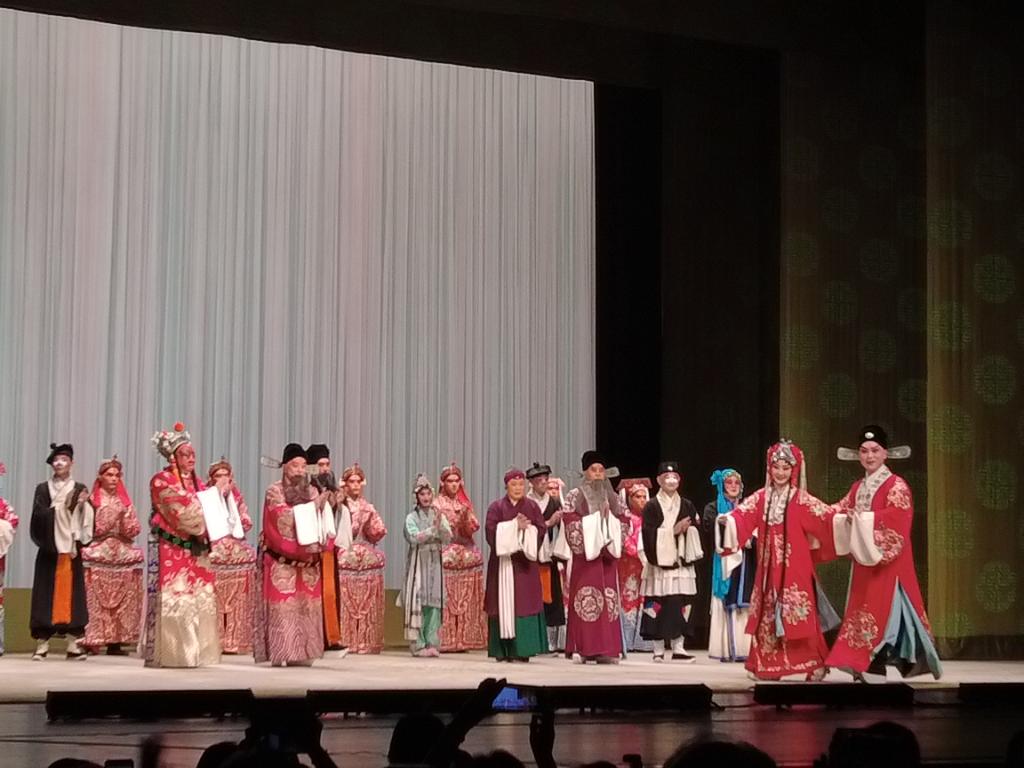
大陆戏曲名家汇演将在台北登场
Ren Min Ri Bao Hai Wai Ban· 2025-08-08 02:27
Core Viewpoint - A renowned group of Chinese opera artists, led by Yu Kuiti and Li Shengsu, will perform in Taipei from August 12 to 17, showcasing classic plays such as "The Four Sons Visit Their Mother," "Phoenix Returns to the Nest," "Flower Field Mistake," and "Red Mane Horse" for six consecutive days [1] Group 1 - The performance is organized by Taiwan Chuan Da Arts Co., Ltd., which has been inviting mainland Chinese opera masters to Taiwan for over 30 years, making it a highly anticipated annual event for Taiwanese opera fans [1] - Yu Kuiti and Li Shengsu are considered idols by many Taiwanese opera enthusiasts and are widely popular [1] - Tickets for the performances of "The Four Sons Visit Their Mother" and "Red Mane Horse" have already sold out [1] Group 2 - The delegation consists of 80 members, including renowned masters and many outstanding young actors and students from Chinese opera academies, reflecting the traditional "passing on skills" approach in Peking opera [1] - The inclusion of young actors is expected to bring new elements to the performances, providing a refreshing experience for the Taiwanese audience [1] - The aim of the performances is to enhance the understanding and recognition of Chinese traditional culture among Taiwanese viewers [1]

于魁智、李胜素领衔 大陆戏曲名家将在台公演
Xin Hua She· 2025-08-08 00:50
Core Viewpoint - A grand performance featuring renowned Peking opera artists will take place in Taipei from August 12 to 17, showcasing classic plays that are well-known among fans [1][2]. Group 1: Event Details - The performance will include traditional plays such as "Four Generals Visit Their Mother," "Flower Field Mistake," "Lost Street Pavilion · Empty City Strategy · Decapitation of Ma Su," "Legend of the White Snake," "Red Mane Horse," and "Dragon and Phoenix Present Auspiciousness" [1]. - The event is organized by Taiwan Chuan Da Arts Co., which has been hosting Peking opera performances for 32 years [1]. Group 2: Artist Participation - The performance will feature a cast of 80, including prominent artists Yu Kuitai and Li Shengsu, who have a long history of performing in Taiwan [1][2]. - The event aims to promote younger talent by implementing a "double performance" or "triple performance" model, allowing both young and veteran actors to portray the same role [1]. Group 3: Audience Engagement - The event is highly anticipated by audiences on both sides of the Taiwan Strait, with tickets for "Four Generals Visit Their Mother" and "Red Mane Horse" already sold out [2]. - The performance is expected to provide a rich artistic experience for Taiwanese audiences, featuring both established and emerging talents from the China National Peking Opera Company and the China Academy of Traditional Chinese Opera [2].