美国农产品(大豆

Search documents
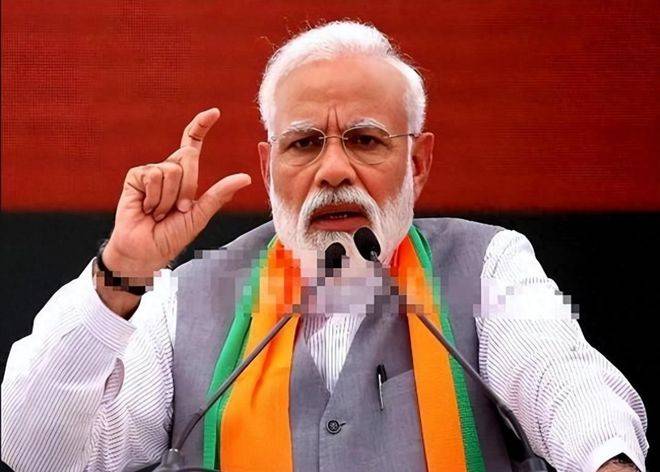
腿软的印度,最终还是屈服!莫迪这一跪,彻底告别大国梦
Sou Hu Cai Jing· 2026-02-17 05:40
Group 1 - The recent reduction of import tariffs on Indian goods from 50% to 18% by the United States is seen as a strategic move rather than a gesture of goodwill towards India, as it comes with significant concessions from India, including over $500 billion in procurement contracts for U.S. weapons and agricultural products [1] - India's Prime Minister Modi, known for his diplomatic skills, faces a challenging situation as the U.S. has pressured India to stop purchasing Russian oil, forcing India to rely on U.S.-controlled Latin American oil instead [3] - The agricultural sector in India is under severe threat due to the reduction of tariffs on U.S. agricultural products to zero, which could devastate local farmers who are already struggling with outdated farming practices and low resilience to market fluctuations [7] Group 2 - The economic implications of these policies are dire, with foreign capital withdrawing from India, leading to a significant drop in the Mumbai stock market and a sharp decline in the value of the Indian rupee, indicating a loss of investor confidence [9] - The political landscape in India is becoming increasingly volatile, with opposition parties questioning the influence of foreign powers on national policy and widespread public anger among farmers who are preparing for protests against these changes [9] - The overall situation suggests that India is sacrificing its national sovereignty for economic aid from the U.S., resulting in a hollowing out of its economy and a loss of dignity on the international stage [9]