美国海外仓

Search documents
AllToDoor全联达:双仓协同而非单极依赖,美国海外仓纾解亚马逊FBA物流压力
Sou Hu Cai Jing· 2025-12-12 12:22
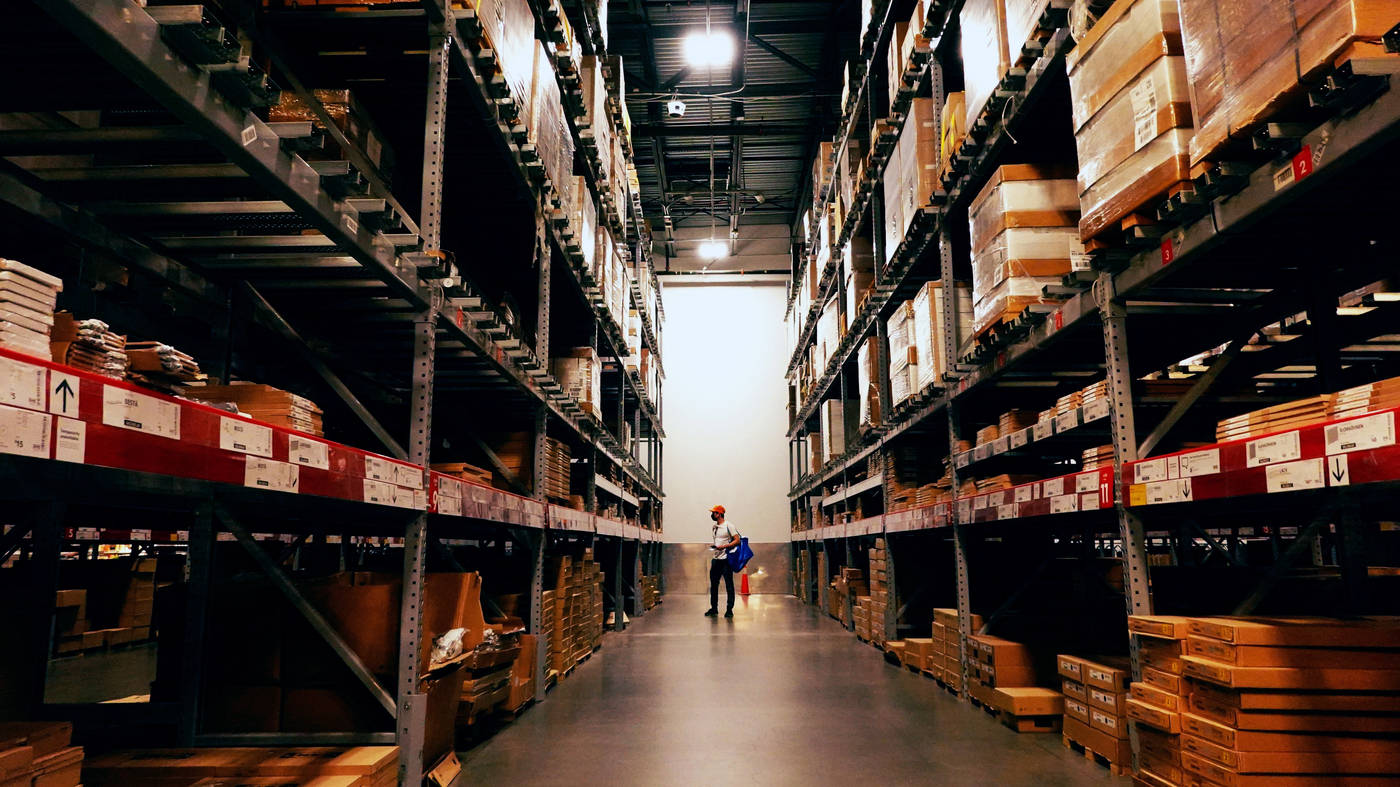
Core Insights - The stability of the logistics system is crucial for sellers' operational success in the context of the continuous growth of cross-border e-commerce. Amazon FBA, while efficient in daily operations, struggles with seasonal peak pressures leading to issues like warehouse appointment delays and inventory turnover failures [1] Group 1: FBA Challenges - The FBA congestion issue arises from the imbalance between peak sales demand and the limited capacity of logistics handling. During peak seasons, order volumes surge, overwhelming the main warehouses, which leads to delays and increased storage costs, ultimately eroding sellers' profit margins and market competitiveness [2] Group 2: Overseas Warehouse Synergy - The core function of U.S. overseas warehouses is to inject flexibility into the FBA system through "dual warehouse linkage." Sellers can deploy part of their inventory to overseas warehouses, providing dynamic replenishment and diversion for FBA inventory [3] Group 3: Systematic Collaboration - An effective "FBA + overseas warehouse" model requires deep integration of data and systems, enabling real-time inventory data synchronization and automated replenishment. This allows sellers to create a predictable and controllable supply chain, enhancing overall turnover efficiency and reducing stockout and unsold inventory risks [5] Group 4: Future Outlook - In the long term, as cross-border e-commerce becomes more refined, reliance solely on the FBA logistics model will be insufficient to adapt to market fluctuations. U.S. overseas warehouses represent a distributed and flexible supply chain approach, enabling sellers to build autonomous logistics capabilities and enhance supply chain resilience [6] Group 5: Operational Benefits - Inventory buffering and rapid replenishment: Overseas warehouses can quickly execute direct orders or replenish FBA when nearing full capacity, ensuring sales continuity [7] - Cost optimization and storage adjustment: Overseas warehouses provide cost-effective storage options for slow-moving or end-of-season inventory, helping sellers avoid high long-term storage fees from FBA [7] - Professional returns handling and value recovery: Overseas warehouses can offer quality inspection, refurbishment, and repackaging for returned FBA items, reducing asset loss [7]

AllToDoor全联达:抢占北美市场先机,美国海外仓何以成为跨境卖家的制胜法宝?
Sou Hu Cai Jing· 2025-06-09 08:48
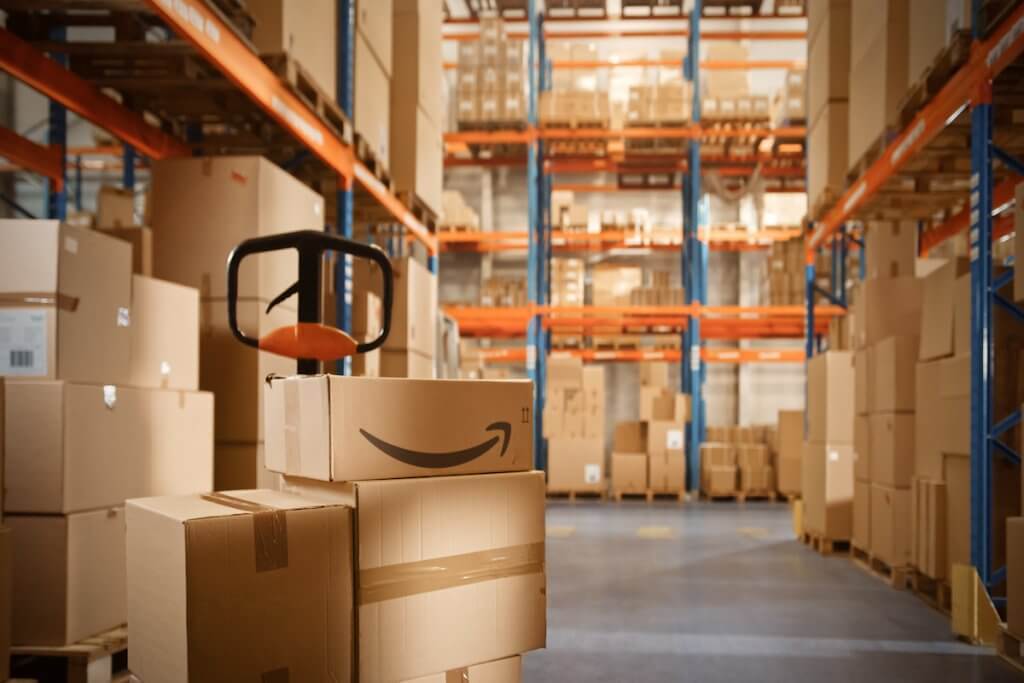
Core Insights - The cross-border e-commerce landscape is rapidly evolving, with sellers focusing on overseas warehouse strategies, particularly in the lucrative U.S. market [1][3] - The shift to overseas warehouses is driven by multiple factors, including significant improvements in logistics efficiency and cost control [1][3] Logistics Efficiency - Utilizing U.S. overseas warehouses allows for a dramatic reduction in shipping times, with consumers receiving products within 1-3 days of ordering, compared to the previous 10-day or longer shipping periods [1] - This "localization" of delivery enhances the shopping experience, leading to increased consumer satisfaction and repeat purchase intentions [1] Cost Control - The overseas warehouse model offers strong competitive advantages in cost management, especially for sellers of large and heavy goods [1] - By shipping products in bulk to U.S. warehouses, sellers can significantly reduce international shipping costs per item, utilizing local logistics for final delivery, which is cheaper than direct cross-border shipping [1] Market Competitiveness - Overseas warehouses serve as a powerful lever to enhance product competitiveness in target markets [3] - E-commerce platforms like Amazon provide significant traffic and exposure advantages to products using their certified overseas warehouses, resulting in higher search rankings and increased sales [3] Value-Added Services - Professional value-added services from overseas warehouse providers address common seller challenges such as cross-border returns, local inventory management, and efficient order sorting and packing [3] - This reduces operational complexity and allows sellers to focus on core activities like product development, market expansion, and brand building, thereby enhancing long-term competitiveness [3] Conclusion - U.S. overseas warehouses have become a critical infrastructure for cross-border e-commerce sellers aiming to expand in the North American market [3] - Embracing this model is a strategic move for sellers looking to optimize logistics, reduce costs, and improve market performance [3]