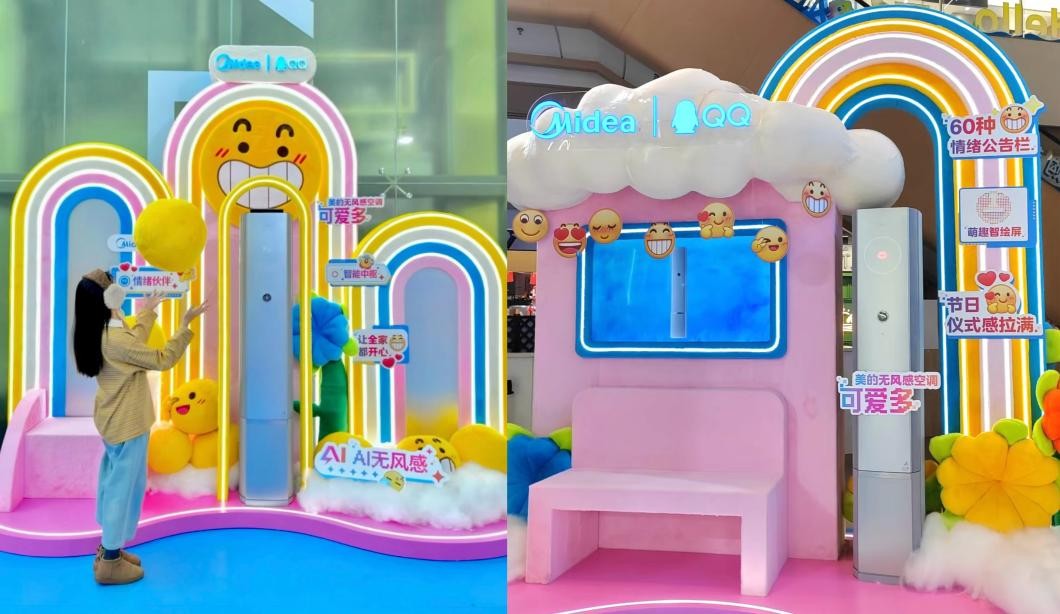
美的可爱多空调

Search documents
4.5万亿,年轻人正在为“开心”买单
Zhong Jin Zai Xian· 2026-02-04 10:30
Core Insights - The rise of "emotional economy" reflects a shift in consumer behavior, where young consumers prioritize emotional satisfaction over traditional value-for-money considerations [1][4] - The emotional economy market in China is projected to grow from 16.3 trillion yuan in 2022 to 23.1 trillion yuan in 2024, and is expected to reach 27.2 trillion yuan by 2025, surpassing 45 trillion yuan by 2029 [1] - Nearly 60% of young consumers are willing to pay for "emotional value," indicating a significant change in purchasing motivations [1] Group 1: Emotional Consumption Trends - Emotional consumption is characterized by a focus on products that enhance personal experiences and feelings, moving from "cost-performance ratio" to "emotional value ratio" [1] - Young consumers are increasingly asking questions about the aesthetic and emotional impact of products, such as whether a coffee machine can enhance kitchen decor or if a sound system can create a better atmosphere [1][4] Group 2: Product Examples and Market Offerings - Retailers like Suning are offering a variety of appliances that cater to emotional value, including collaborations with popular IPs and products designed for emotional engagement, such as "emotion air conditioners" and AI televisions [4] - The in-store experience at Suning includes immersive setups that showcase products in emotionally resonant contexts, such as cozy coffee corners and gaming stations, enhancing the emotional appeal of the shopping experience [4]