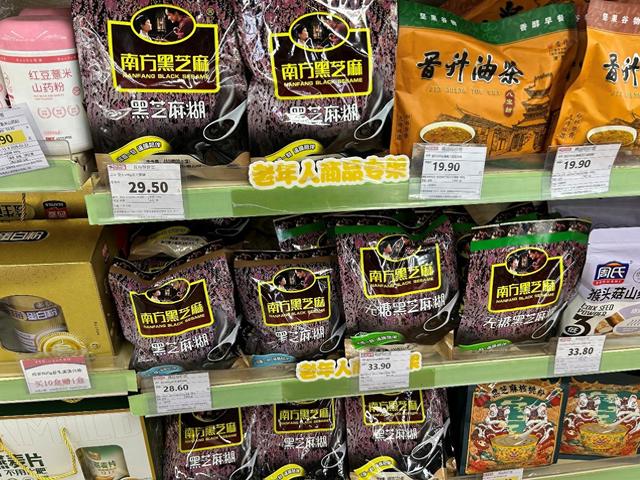
老年人商品专架

Search documents
“长辈模式”不只是加大字号
Xin Lang Cai Jing· 2026-01-30 06:14
Core Viewpoint - The Ministry of Civil Affairs and other departments have issued a document to support the establishment of senior-friendly consumption areas in large commercial complexes and chain supermarkets, encouraging e-commerce platforms to optimize "elderly modes" for easier online and offline shopping for seniors [1] Group 1: Supermarket Initiatives - The Jingkelong Supermarket in Beijing has set up a dedicated "senior product shelf" with a height of about 1.6 meters, featuring products like health foods and easy-to-prepare items that cater to elderly needs [3] - Price tags on the senior product shelves are larger, making them easier for elderly customers to read, which has received positive feedback from some seniors [3] - However, the placement of these senior product shelves is inconsistent, leading to confusion among elderly shoppers regarding which products are specifically designated for them [3] Group 2: Shopping Mall Developments - Some shopping malls have created "silver hair zones" aimed at elderly customers, featuring services like dining, haircuts, and health stations, but these areas have seen limited elderly patronage [5] - The pricing for services in these zones is perceived as high, with foot massages costing around 168 yuan and hair treatments ranging from 288 to 576 yuan, which may deter elderly customers [5][6] - The health station in the mall offers limited activities and primarily charges for services, with no visible elderly engagement during visits [6] Group 3: E-commerce Adaptations - E-commerce platforms have introduced "elderly modes," with varying levels of adaptation; for instance, Taobao's version includes a more comprehensive categorization of products suitable for seniors [8] - In contrast, JD.com's elderly mode lacks thorough adaptations, with minimal changes in product categorization and font size [9] - Pinduoduo's elderly mode primarily focuses on font enlargement, but it has issues with product name visibility, indicating a need for further refinement [9] Group 4: Expert Insights - Experts emphasize that establishing senior-friendly consumption areas requires more than just designated spaces; it necessitates comprehensive supportive measures, including functional zoning and accessibility improvements [10] - There is a call for integrating intergenerational shopping experiences and providing additional services that cater to the emotional and social needs of elderly consumers [11] - The operational costs of these senior zones are a concern, suggesting that placing them in community areas with lower rent could be more practical [11]

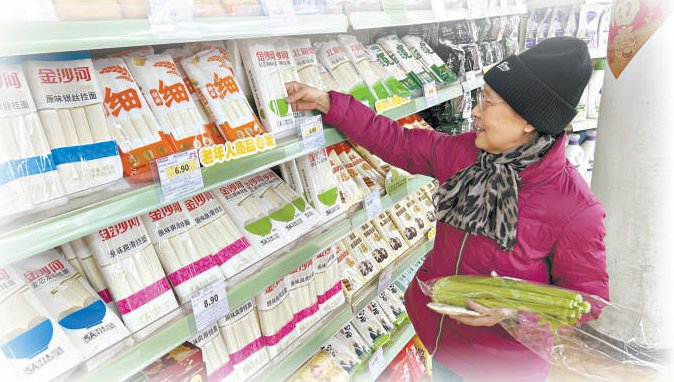
从商超专架到电商长辈版,银发消费专区,老人满意吗?
Bei Jing Ri Bao Ke Hu Duan· 2026-01-30 02:46
Core Viewpoint - The Ministry of Civil Affairs and other departments have issued a document to support the establishment of senior-friendly consumption areas in large commercial complexes and chain supermarkets, encouraging e-commerce platforms to optimize "elderly modes" for easier online and offline shopping for seniors [1][22]. Group 1: Supermarket Initiatives - The Jingkelong Supermarket Hu'an store has implemented comprehensive senior-friendly modifications, including the establishment of a dedicated "senior product shelf" featuring items like health foods and easy-to-prepare products [3][5]. - The price tags on the senior product shelves are larger, which has received positive feedback from elderly customers, making it easier for them to read [3][5]. - However, the placement of these senior product shelves is inconsistent, with some items suitable for seniors not being categorized as such, leading to confusion among shoppers [5][7]. Group 2: Shopping Mall Developments - Some shopping malls have created "silver zones" specifically for elderly customers, featuring services like health food, hair care, and wellness activities [7][9]. - The pricing for services in these zones is perceived as high, deterring elderly customers from utilizing them, with some services costing significantly more than typical market rates [9][11]. - The lack of basic facilities, such as restrooms, in these areas has also been noted as a significant oversight, impacting the overall experience for elderly visitors [11]. Group 3: E-commerce Adaptations - E-commerce platforms have introduced "elderly modes," with varying degrees of effectiveness in their senior-friendly designs, such as enlarged fonts and categorized product listings [16][19]. - Taobao's elderly mode is noted for its comprehensive design, including specific categories tailored to seniors' needs, while other platforms like JD and Pinduoduo have less effective adaptations [16][19]. - Some platforms have experienced issues with product name visibility in their elderly modes, indicating a need for further refinement in their design [19]. Group 4: Expert Recommendations - Experts emphasize that establishing senior consumption areas requires more than just designated spaces; it necessitates a range of supportive facilities and services to enhance the shopping experience for seniors [22][23]. - There is a call for integrating intergenerational shopping experiences, such as co-locating products for children and seniors, to foster family-oriented shopping [22][23]. - The financial viability of these senior zones is a concern, suggesting that they should be located in community areas with lower rental costs and supported by relevant policies [23].