肉毒杆菌毒素治疗

Search documents
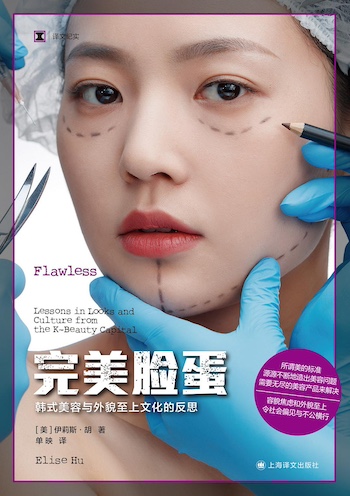
在韩国,整形为何令人难以抗拒?
Di Yi Cai Jing· 2026-01-21 02:58
Core Insights - South Korea has transformed into a prosperous nation with a redefined standard of beauty, leading to a booming cosmetic surgery industry driven by consumerism and societal pressures [1][10]. Group 1: Industry Overview - The Gangnam district in Seoul is a hub for cosmetic surgery, housing approximately 400 out of 538 plastic surgery clinics in South Korea as of 2020 [2]. - The number of medical tourists visiting South Korea for cosmetic procedures has increased significantly, from about 60,000 in 2009 to nearly 500,000 by 2019, marking an eightfold growth over a decade [4]. - The Korean cosmetic surgery market is characterized by competitive pricing, with procedures like Botox costing as low as $30, significantly cheaper than in the U.S. [6][11]. Group 2: Cultural Impact - The Korean entertainment industry serves as a major advertisement for cosmetic surgery, with fans traveling to South Korea to undergo procedures to resemble their favorite stars [5]. - A significant portion of the population supports cosmetic surgery, with surveys indicating that 70% of South Koreans do not view it as taboo, and one-third of women aged 19 to 39 have undergone procedures [7][8]. Group 3: Trends in Cosmetic Procedures - The most common procedures include non-surgical options like Botox and fillers, followed by double eyelid surgery and nose jobs, reflecting a shift towards a more holistic approach to facial aesthetics [10]. - The popularity of jawline surgery, or V-line surgery, has surged, with a focus on creating a delicate jawline as a standard of beauty, influenced by media and celebrity endorsements [11]. Group 4: Psychological Aspects - While cosmetic surgery can enhance external appearance, its impact on overall psychological well-being is minimal, with potential for addiction to the pursuit of perfection leading to mental health issues [12].