
双眼皮手术

Search documents
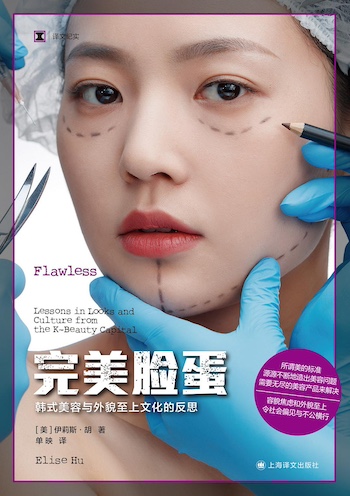
在韩国,整形为何令人难以抗拒?
Di Yi Cai Jing· 2026-01-21 02:58
Core Insights - South Korea has transformed into a prosperous nation with a redefined standard of beauty, leading to a booming cosmetic surgery industry driven by consumerism and societal pressures [1][10]. Group 1: Industry Overview - The Gangnam district in Seoul is a hub for cosmetic surgery, housing approximately 400 out of 538 plastic surgery clinics in South Korea as of 2020 [2]. - The number of medical tourists visiting South Korea for cosmetic procedures has increased significantly, from about 60,000 in 2009 to nearly 500,000 by 2019, marking an eightfold growth over a decade [4]. - The Korean cosmetic surgery market is characterized by competitive pricing, with procedures like Botox costing as low as $30, significantly cheaper than in the U.S. [6][11]. Group 2: Cultural Impact - The Korean entertainment industry serves as a major advertisement for cosmetic surgery, with fans traveling to South Korea to undergo procedures to resemble their favorite stars [5]. - A significant portion of the population supports cosmetic surgery, with surveys indicating that 70% of South Koreans do not view it as taboo, and one-third of women aged 19 to 39 have undergone procedures [7][8]. Group 3: Trends in Cosmetic Procedures - The most common procedures include non-surgical options like Botox and fillers, followed by double eyelid surgery and nose jobs, reflecting a shift towards a more holistic approach to facial aesthetics [10]. - The popularity of jawline surgery, or V-line surgery, has surged, with a focus on creating a delicate jawline as a standard of beauty, influenced by media and celebrity endorsements [11]. Group 4: Psychological Aspects - While cosmetic surgery can enhance external appearance, its impact on overall psychological well-being is minimal, with potential for addiction to the pursuit of perfection leading to mental health issues [12].

认清医美领域的“美丽陷阱”
Xin Lang Cai Jing· 2026-01-19 22:17
Core Viewpoint - The rapid development of the medical beauty industry is accompanied by various malpractices, including false advertising, low-price traps, and illegal medical practices, prompting consumer protection agencies to issue warnings and guidelines for consumers [1][2]. Group 1: Industry Challenges - The medical beauty industry is experiencing a surge due to the "beauty economy," but it is also plagued by issues such as false advertising and low-price traps [1]. - Common tactics include exaggerated claims about doctor qualifications, fabricated celebrity endorsements, and misleading product effectiveness [1]. - Low-price promotions, such as "199 yuan water light needle" and "299 yuan double eyelid surgery," often lead to consumers facing significantly higher costs upon arrival at the clinic [1]. - Some institutions collaborate with financial platforms to offer "medical beauty loans" that appear attractive but hide high-interest rates and fees, leading to financial burdens for consumers [1]. Group 2: Consumer Protection Guidelines - The Xiamen Consumer Protection Committee has proposed five guidelines to help consumers avoid pitfalls in the medical beauty sector [3]. - Verify the qualifications of the medical institution, ensuring they possess the necessary licenses and that the performing physician is registered [3]. - Confirm the compliance of products used in procedures, checking for proper registration and labeling [3]. - Avoid impulsive purchases driven by marketing tactics, and make informed decisions based on personal needs and health [3]. - Sign formal contracts that clearly outline project details, costs, and guarantees, and retain all communication records [3]. - Steer clear of illegal medical beauty services, such as home visits or unlicensed private studios, which pose significant risks [3]. Group 3: Post-Procedure Actions - In cases of unsatisfactory results or physical harm post-procedure, consumers should retain evidence such as medical records and payment receipts [4]. - Initial communication with the medical beauty institution should focus on seeking repairs, refunds, or compensation, with all interactions documented [4]. - If negotiations fail, consumers can file complaints with relevant administrative departments or seek mediation through medical dispute committees [4].
41岁男子陪弟弟割双眼皮,自己却上了手术台,当事人:都是眯眯眼曾被人调侃,现在自信多了
Xin Lang Cai Jing· 2026-01-17 04:23
Core Viewpoint - The article highlights the personal journey of two brothers, 崔磊 and his younger brother, who seek double eyelid surgery to enhance their appearance and boost their self-confidence, emphasizing that the pursuit of beauty transcends age and gender [4][9]. Group 1: Personal Experiences - 崔磊, at 41 years old, decided to undergo double eyelid surgery after years of feeling self-conscious about his small eyes, which he described as making him look older than he is [4][8]. - The brothers have faced challenges due to their inherited single eyelids, which have affected their self-esteem and social interactions [4][5]. - The decision to pursue surgery was influenced by past comments from others, leading 崔磊 to feel the need for a change in his appearance [4][8]. Group 2: Surgical Journey - The brothers initially struggled to find a suitable clinic for the surgery in their hometown, but eventually located a facility in Zhengzhou that could accommodate their needs [5]. - 崔磊 underwent the surgery first, which lasted one and a half hours, and he expressed satisfaction with the results, feeling more confident in his appearance [5][8]. - The younger brother's surgery is still pending due to more complex eye conditions, requiring careful consideration before proceeding [5]. Group 3: Social Reactions - The brothers' story resonated with many online, with comments supporting their decision to pursue beauty regardless of age or gender, highlighting a cultural shift towards acceptance of cosmetic procedures [8][9]. - The narrative reflects a broader societal trend where individuals feel empowered to seek aesthetic enhancements as a form of self-care and personal expression [9].

医美“免费打卡”“私下服务”藏风险 法官提醒:爱美者谨防“美丽陷阱”
Zhong Guo Qing Nian Bao· 2025-09-23 07:28
Core Points - The article highlights the alarming trend of cosmetic surgery institutions targeting students with promotional offers, which often lead to consumer traps and illegal practices [1][2] - Legal cases illustrate the risks associated with unregulated cosmetic procedures, emphasizing the need for consumers to be cautious and informed [3][4] Group 1: Industry Practices - Many cosmetic institutions are using deceptive marketing strategies, such as "discounts for students" and "free services," to attract young consumers [1] - The industry is rife with irregularities, including unfulfilled service promises and hidden conditions that complicate refund processes [2] Group 2: Legal Cases - A case involving a consumer named Lu Lu illustrates how a beauty institution failed to provide promised services, leading to a court ruling that mandated a full refund of 13,780 yuan [2] - Another case involving a consumer named Jin Wei highlights the dangers of private cosmetic procedures, resulting in severe health complications and a court ruling that required compensation of over 230,000 yuan from the practitioner [3] Group 3: Consumer Warnings - Legal experts warn that cosmetic procedures should only be performed in licensed medical facilities by certified professionals due to the high risks involved [4] - Consumers are advised to be cautious of promotional offers and to thoroughly evaluate the legitimacy of cosmetic institutions before proceeding with treatments [4]
2025年中国医疗美容市场洞察报告:轻医美如何用“可视化场景”开拓新增长极?
Tou Bao Yan Jiu Yuan· 2025-09-22 12:45
Investment Rating - The report does not explicitly state an investment rating for the medical aesthetics industry Core Insights - The integration of medical aesthetics and lifestyle aesthetics is gaining traction, with light medical aesthetics being more favored by consumers due to its lower risk and minimal invasiveness [2][4] - The report highlights the importance of compliance and the need to avoid existing issues within the medical aesthetics industry, such as illegal practices and non-compliance [2][4] - The market for light medical aesthetics is expected to continue growing, driven by consumer demand for less invasive procedures [22][24] Summary by Sections Current Status of the Medical Aesthetics Industry - The global medical aesthetics market has shown steady growth, with the number of procedures increasing from 18.58 million in 2014 to an estimated 37.95 million in 2024 [22][24] - Light medical aesthetics procedures have gained a larger market share, increasing from 51.5% in 2014 to 54.1% in 2024, while heavy medical aesthetics have seen a decline [24] Overview of the Integrated Development of Medical Aesthetics and Lifestyle Aesthetics in China - The report discusses the collaborative potential between medical aesthetics and lifestyle aesthetics, emphasizing the need for clear boundaries to prevent malpractice [4][38] - The integration of beauty dentistry and traditional Chinese medicine into the medical aesthetics framework is highlighted as a growth area, supported by favorable policies [4][38] Medical Aesthetics Extension Field and Lifestyle Aesthetics - The report identifies light medical aesthetics as a promising field, particularly in non-invasive procedures such as injectables and skin treatments [26][48] - The demand for aesthetic services is expanding among male consumers, indicating a shift in market dynamics [29][30] Challenges and Opportunities - The report emphasizes the need for strict compliance to combat the "four black" phenomena in the industry: illegal institutions, illegal products, unqualified personnel, and deceptive marketing practices [56][57] - The potential for medical aesthetics tourism is significant, with many consumers seeking services abroad due to insufficient local supply [34][36]
这份避坑指南请收好(健康驿站)
Ren Min Ri Bao Hai Wai Ban· 2025-08-07 22:52
Core Insights - The summer vacation after the college entrance examination has led to a surge in demand for cosmetic procedures among prospective college students, particularly for minimally invasive surgeries like double eyelid surgery [2][4]. Group 1: Market Trends - The cosmetic surgery department in hospitals has seen a significant increase in young patients during the summer, with many being high school graduates preparing to enter college [2]. - Parents often accompany these young individuals, showing a preference for procedures with shorter recovery times and lower risks, such as double eyelid surgery and non-surgical options like facial contouring injections [2][5]. Group 2: Medical Aesthetics Definition - Medical aesthetics, or "medical beauty," involves using medical techniques to repair or reshape a person's appearance, and it can be categorized into surgical and non-surgical procedures [2]. Group 3: Youth Perspectives - Opinions among prospective college students vary regarding cosmetic procedures; some view it as a confidence booster, while others express caution due to potential risks [4][5]. - Experts advise against cosmetic surgeries for minors, emphasizing the importance of developing a mature aesthetic sense and understanding the risks involved [4][5]. Group 4: Risks and Considerations - While minimally invasive procedures are popular, they are not without risks, including potential complications from both injection and light-based treatments [6][7]. - Specific contraindications exist for certain individuals, such as those with allergic tendencies or underlying health conditions, which could lead to severe reactions [8][9]. Group 5: Surgical Insights - Double eyelid surgery is categorized into three types: full incision, minimally invasive three-point method, and suture method, each with varying levels of invasiveness and recovery times [12]. - The demand for double eyelid surgery is driven by aesthetic preferences, but it is crucial for patients to have realistic expectations and a stable aesthetic viewpoint [12][13].
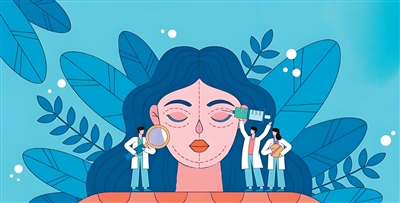
贩卖焦虑夸大宣传 “低龄整形热”背后风险不容忽视
Zhong Guo Jing Ji Wang· 2025-08-07 01:23
Core Insights - The article highlights a surge in cosmetic procedures among high school graduates during the summer vacation, driven by parental support and societal pressures regarding beauty standards [1][2][3] Group 1: Industry Trends - There has been a significant increase in cosmetic surgeries, with some hospitals reporting a more than 30% rise in procedures since the end of the college entrance examination [3] - Cosmetic surgery institutions are offering special summer packages targeting students, with consultation volumes reported to be three to four times higher than usual [3] - Promotional campaigns such as "Summer You Are the Most Beautiful" offer discounts for students undergoing multiple procedures, indicating a competitive market environment [3] Group 2: Psychological and Health Risks - The trend of "low-age cosmetic surgery" raises concerns about potential physical and psychological risks, as many adolescents are not fully developed and may face health issues from early cosmetic interventions [4] - Psychological impacts include increased body image anxiety and disorders, with some adolescents developing eating disorders or severe emotional disturbances linked to their appearance [5][6] - Experts emphasize the need for a more diverse understanding of beauty and the importance of mental health support for young individuals pursuing cosmetic enhancements [6][7] Group 3: Regulatory Recommendations - Experts call for stricter regulations on cosmetic surgery advertising, particularly those targeting minors, to prevent the promotion of unrealistic beauty standards and associated anxieties [7] - Recommendations include engaging parents and schools in discussions about healthy self-image and the dangers of cosmetic surgery, as well as advocating for legal measures to restrict non-medical cosmetic procedures for minors [7]
年轻人异地求美 搅动“医美+旅游”蓝海
2 1 Shi Ji Jing Ji Bao Dao· 2025-07-30 23:05
Group 1 - The "youth economy" is thriving post-exams, with medical beauty institutions experiencing their busiest season as students combine beauty treatments with travel [1][4] - There is a notable increase in student patients, with a reported 10% to 30% rise in visits to dermatology departments and over a hundred additional surgeries per month in cosmetic centers during July and August [5][6] - Popular procedures among students include double eyelid surgery, rhinoplasty, and facial fillers, with demand increasing by 30% compared to regular periods [5][6] Group 2 - Many students are traveling abroad for medical beauty treatments, particularly to South Korea, where the cost-effectiveness and quality of services attract them [7][8] - Social media plays a significant role in promoting the trend, with discussions and content related to beauty treatments and travel gaining immense popularity [9] - The collaboration of medical beauty and tourism services is crucial, with South Korea offering comprehensive packages that include medical visas and local support for foreign patients [11] Group 3 - Cities like Chengdu are positioning themselves as medical beauty hubs, with plans to generate 100 billion yuan in revenue by 2025 through strategic development policies [11][12] - The shift in consumer preferences towards integrated wellness and beauty experiences is creating opportunities for new business models that combine medical beauty with tourism [12] - The industry faces challenges, including the risk of students falling prey to low-cost, unregulated clinics and the potential for miscommunication during overseas treatments [13][14]
这个夏天,年轻人异地求美火了
21世纪经济报道· 2025-07-30 08:05
Core Viewpoint - The article highlights the booming trend of "medical beauty + tourism" among young students in China, particularly after the college entrance examination, indicating a significant increase in demand for cosmetic procedures during the summer months [3][10][11]. Group 1: Market Trends - The summer period post-exams sees a surge in medical beauty procedures, with reports indicating a 10% to 30% increase in student patients at certain hospitals [5][8]. - Popular procedures among students include double eyelid surgery, rhinoplasty, and facial contouring, with a reported 30% increase in related business during the summer [7][10]. - The trend of students traveling to major cities or abroad for cosmetic procedures is growing, with a notable flow from second and third-tier cities to first-tier cities and international destinations like South Korea and Japan [8][10]. Group 2: Economic Impact - The report from Deloitte indicates that 31% of middle to high-income individuals plan to seek cosmetic procedures abroad in 2024, translating to over 9 million potential outbound medical beauty seekers based on current estimates [10]. - Chengdu is positioning itself as an "international medical beauty capital," with plans to achieve a revenue target of 100 billion yuan by 2025 [16]. Group 3: Consumer Behavior - Young consumers are increasingly calculating the cost-benefit ratio of beauty procedures, often opting for international options due to lower prices and perceived higher quality [9][14]. - Social media plays a significant role in promoting this trend, with platforms like Xiaohongshu and Douyin generating substantial discussions and views on beauty transformations and travel experiences [11]. Group 4: Service and Infrastructure - South Korea offers comprehensive services for medical tourists, including medical visas and bilingual support, enhancing the appeal for Chinese students seeking cosmetic procedures [15]. - Domestic cities are also exploring innovative models that combine tourism and medical beauty, with initiatives to develop unique beauty tourism routes [16]. Group 5: Risks and Challenges - Despite the growing trend, there are significant risks associated with low-cost procedures, including the potential for infections and financial pitfalls from "beauty loans" [18][19]. - Language barriers and lack of regulatory oversight for local guides can lead to miscommunication and unsafe practices in foreign medical settings [20].

这个夏天,年轻人异地求美搅动“医美+旅游”蓝海
2 1 Shi Ji Jing Ji Bao Dao· 2025-07-29 11:32
Core Insights - The article highlights the booming trend of "medical beauty" combined with tourism among young students during the summer after the college entrance examination, indicating a significant shift in consumer behavior towards beauty treatments and travel experiences [2][6][10] Group 1: Industry Trends - The summer period sees a 10% to 30% increase in student patients at dermatology clinics, with surgical procedures at cosmetic centers rising by over 100 cases monthly during July and August [3][4] - Popular procedures among students include double eyelid surgery, rhinoplasty, and facial fillers, with demand increasing by 30% compared to regular periods [3][4] - The trend of students traveling from second and third-tier cities to first-tier cities for cosmetic procedures is notable, with international destinations like South Korea and Japan being preferred [4][5] Group 2: Economic Impact - A report indicates that 31% of middle to high-income individuals plan to seek cosmetic procedures abroad in 2024, translating to over 9 million potential outbound medical beauty consumers based on current estimates [5][6] - The medical beauty industry in Chengdu aims for a revenue target of 100 billion yuan by 2025, supported by local government policies promoting the sector [9] Group 3: Consumer Behavior - Social media platforms like Xiaohongshu and Douyin have significantly influenced the popularity of "medical beauty + tourism," with discussions and views on related topics exceeding 100 million [6] - Young consumers are increasingly calculating the cost-effectiveness of procedures abroad, with significant price differences noted between domestic and international options [5][8] Group 4: Regulatory and Safety Concerns - The article raises concerns about the risks associated with cosmetic procedures, particularly for students who may fall victim to unregulated clinics and financial traps [10][11] - Issues such as language barriers and lack of oversight for local guides in foreign countries can lead to complications for consumers seeking medical beauty services [10][11]