胡蜂蛹

Search documents
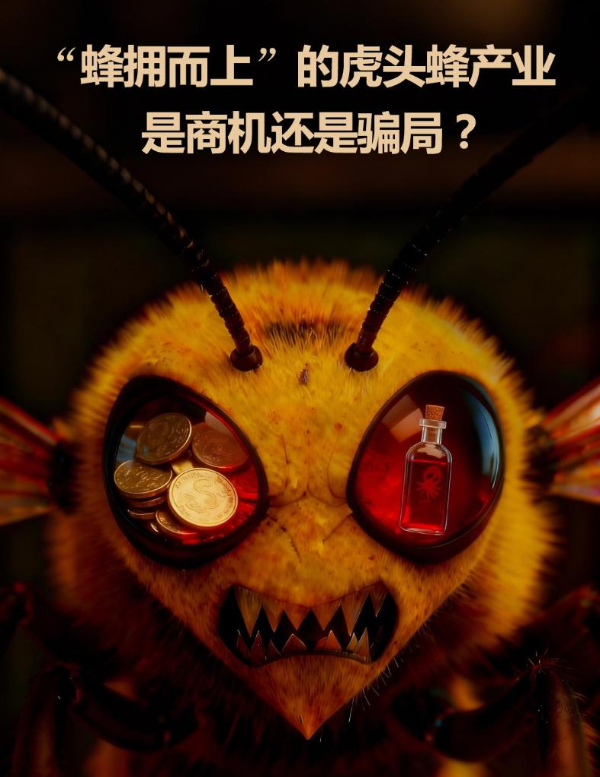
焦点丨“蜂拥而上”的虎头蜂产业,是商机还是骗局
Xin Hua Wang· 2025-11-25 09:00
Core Viewpoint - The rapid growth of the hornet farming industry, driven by exaggerated online promotions and high profit margins, poses significant risks due to a lack of regulation and oversight [1][20][32]. Group 1: Industry Growth and Risks - The hornet farming industry has seen a surge in interest, with promotional claims such as "cost 500, sell for 5000" and "teaching and training included" attracting many farmers [1][18]. - The industry is characterized by chaotic growth and insufficient regulatory frameworks, leading to potential dangers for both farmers and surrounding communities [1][20]. - Incidents of severe attacks by hornets have been reported, including the tragic deaths of two children in Yunnan and multiple injuries in Sichuan, highlighting the risks associated with hornet farming [3][18]. Group 2: Lack of Regulation - Hornet farming operates in a regulatory gray area, as hornets are not included in the National Bee Genetic Resource Variety Catalog, making it difficult for agricultural authorities to intervene [20][23]. - Local regulations have been issued to prohibit the farming of dangerous hornet species, but illegal farming persists, often going unchecked until incidents occur [23][25]. - Online platforms lack oversight, with some vendors promoting hornet products with dubious health claims and selling unregulated items [25][27]. Group 3: Ecological Impact - Hornets primarily feed on insects, including bees, which can lead to significant ecological disruptions, such as the loss of bee colonies and damage to local flora [29][30]. - The ecological role of hornets as natural predators of harmful insects is acknowledged, suggesting a need for balanced management rather than outright prohibition [40]. Group 4: Recommendations for Regulation - There is an urgent need for the establishment of scientific farming standards and regulatory frameworks to ensure safe hornet farming practices [32][33]. - Authorities should conduct village inspections and provide education on the risks associated with hornet farming, while also promoting safe farming techniques [33][40].