虎头蜂酒

Search documents
活毒蜂泡酒陆续下架,仍有商家宣称功效
Xin Jing Bao· 2025-12-22 04:40
Core Viewpoint - The sale of live hornet-infused liquor, particularly from the Asian giant hornet, is prevalent on various e-commerce and second-hand trading platforms, despite being banned in some regions due to safety concerns. Sellers claim health benefits such as pain relief and improved immunity, but these claims lack scientific backing [1][3][7]. Group 1: Market Presence and Sales - Live hornets are being sold in various forms, including as infused liquor, with claims of enhancing physical health and alleviating ailments like arthritis and migraines [2][5]. - Multiple sellers across provinces such as Fujian, Guangdong, and Zhejiang are involved in the trade of hornet-infused liquor, alongside other homemade insect liquors, which are often unregulated and lack proper labeling [2][4]. - E-commerce platforms have begun to remove listings for hornet-infused products, but many sellers continue to operate under different product categories, such as traditional Chinese medicine [4][6]. Group 2: Regulatory and Safety Concerns - Regulatory bodies have communicated with e-commerce platforms regarding the sale of hornet-infused liquor, leading to some product removals, yet the market remains active with ongoing sales [4][7]. - The sale of these products raises significant legal issues, as they may violate wildlife protection laws and food safety regulations due to the use of live animals and lack of production qualifications [7][9]. - Experts warn of high food safety risks associated with consuming homemade insect liquors, including potential toxicity and contamination from bacteria and parasites [8][10].


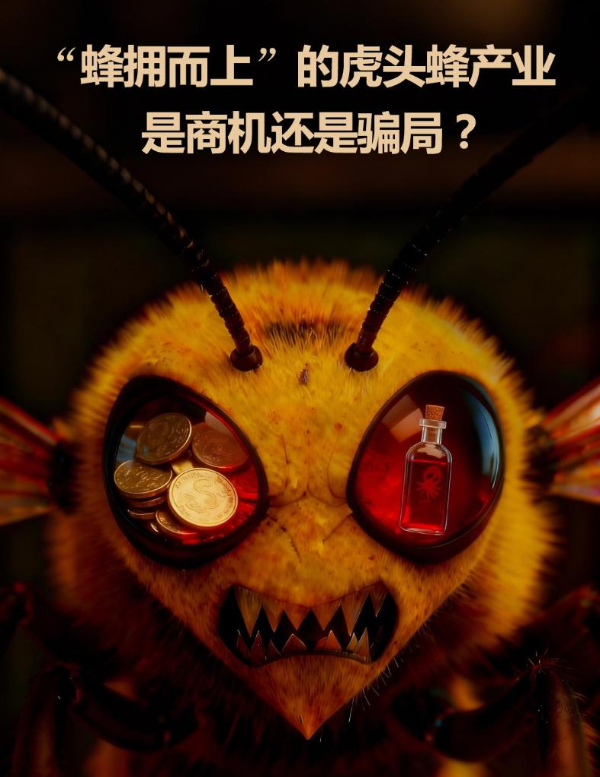
焦点丨“蜂拥而上”的虎头蜂产业,是商机还是骗局
Xin Hua Wang· 2025-11-25 09:00
Core Viewpoint - The rapid growth of the hornet farming industry, driven by exaggerated online promotions and high profit margins, poses significant risks due to a lack of regulation and oversight [1][20][32]. Group 1: Industry Growth and Risks - The hornet farming industry has seen a surge in interest, with promotional claims such as "cost 500, sell for 5000" and "teaching and training included" attracting many farmers [1][18]. - The industry is characterized by chaotic growth and insufficient regulatory frameworks, leading to potential dangers for both farmers and surrounding communities [1][20]. - Incidents of severe attacks by hornets have been reported, including the tragic deaths of two children in Yunnan and multiple injuries in Sichuan, highlighting the risks associated with hornet farming [3][18]. Group 2: Lack of Regulation - Hornet farming operates in a regulatory gray area, as hornets are not included in the National Bee Genetic Resource Variety Catalog, making it difficult for agricultural authorities to intervene [20][23]. - Local regulations have been issued to prohibit the farming of dangerous hornet species, but illegal farming persists, often going unchecked until incidents occur [23][25]. - Online platforms lack oversight, with some vendors promoting hornet products with dubious health claims and selling unregulated items [25][27]. Group 3: Ecological Impact - Hornets primarily feed on insects, including bees, which can lead to significant ecological disruptions, such as the loss of bee colonies and damage to local flora [29][30]. - The ecological role of hornets as natural predators of harmful insects is acknowledged, suggesting a need for balanced management rather than outright prohibition [40]. Group 4: Recommendations for Regulation - There is an urgent need for the establishment of scientific farming standards and regulatory frameworks to ensure safe hornet farming practices [32][33]. - Authorities should conduct village inspections and provide education on the risks associated with hornet farming, while also promoting safe farming techniques [33][40].
财经调查丨被炒作成“神药”,虎头蜂酒治病被曝虚假宣传
Sou Hu Cai Jing· 2025-11-16 12:38
Core Viewpoint - The article highlights the dangerous nature of the tiger hornet, also known as the wasp, and discusses the misleading marketing practices surrounding its sale for purported medicinal benefits, which are not supported by evidence [1]. Industry Summary - The tiger hornet is known for its aggressive behavior and has been linked to serious injuries and fatalities [1]. - Some businesses are exploiting the tiger hornet's reputation by selling products like tiger hornet wine, claiming they have healing properties, which is described as a marketing gimmick [1]. - The primary profit source for hornet farming appears to be the sale of hornet pupae rather than the medicinal products [1]. Company Summary - A manager from a hornet farming operation in Qiwang County, Leshan, Sichuan, stated that the tiger hornet wine sold online lacks any real therapeutic effect and is merely a tactic to attract customers [1]. - Staff from a honeybee farm in Baoshan, Yunnan, confirmed that claims regarding the medicinal benefits of tiger hornet wine are false, emphasizing that it does not function as a medicine and is based on psychological effects [1].
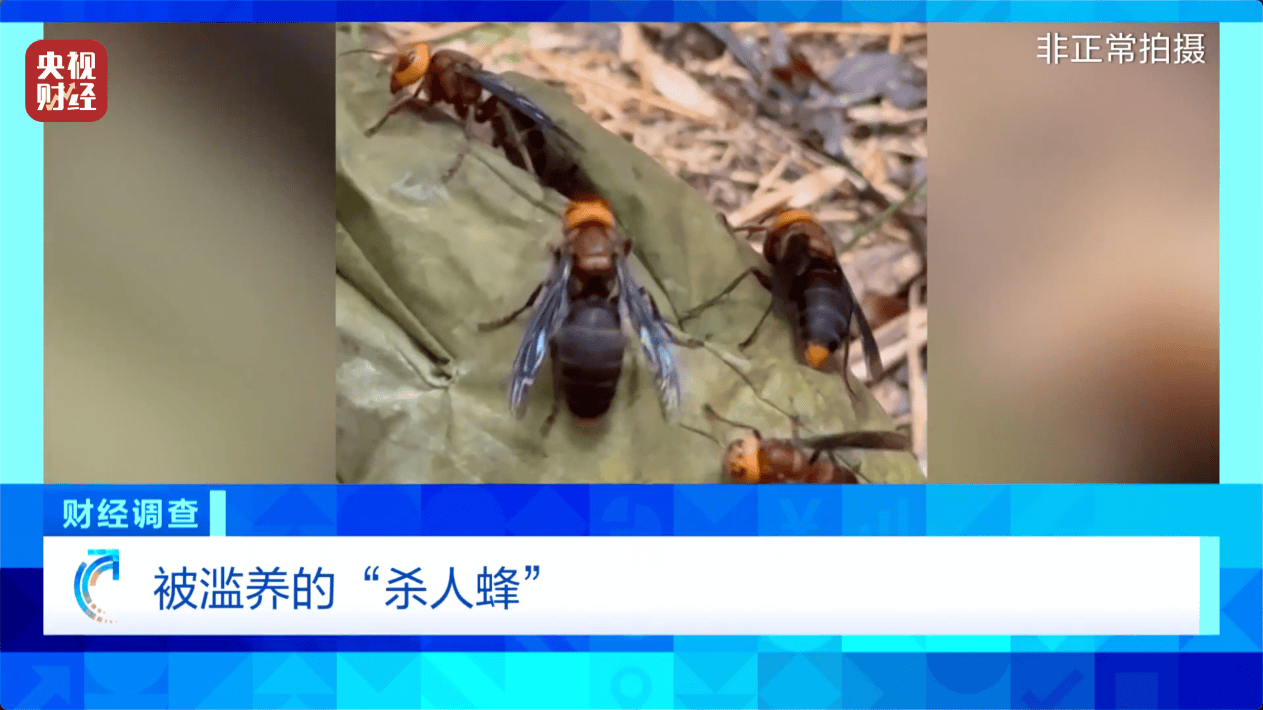
“杀人蜂”散养山头,无序滥养亟待监管,总台《财经调查》曝光→
Sou Hu Cai Jing· 2025-11-16 12:15
Core Viewpoint - The article highlights the dangers and ecological risks associated with the breeding of aggressive hornets, particularly the "red bride" hornet, which is being sold under the guise of medicinal benefits despite its harmful effects on both humans and the environment [1][20][46]. Group 1: Hornet Breeding and Sales - Some merchants are selling hornets online, claiming they can be used for medicinal purposes, with prices ranging from 1 to 2 yuan per hornet [3][4]. - The products sold are often poorly packaged and lack essential information such as product name, production date, and manufacturer, categorizing them as "three no" products [5]. - Breeders primarily profit from selling hornet pupae, which are considered a delicacy in local restaurants, rather than from the medicinal claims [9][15]. Group 2: Ecological and Safety Concerns - The aggressive "red bride" hornet poses significant ecological threats, including the potential to disrupt local ecosystems and harm beneficial insects [17][33]. - Despite the known dangers, some breeders continue to raise these hornets due to their high yield and profitability, often disregarding safety regulations [20][43]. - The lack of regulatory frameworks governing hornet breeding allows many breeders to operate in a gray area, prioritizing economic gain over public safety and environmental protection [47].