胸腺

Search documents
朱健康/吕宇轩提出“以胸腺为中心”的免疫衰老新框架,为抗衰老研究打开新思路
生物世界· 2025-12-26 00:00
Core Viewpoint - The article presents a new framework centered on the thymus in understanding immune aging, highlighting its critical role in the decline of immune function and exploring potential intervention strategies [1][4]. Group 1: Thymus and Immune Aging - Immunosenescence is characterized by increased disease susceptibility, reduced vaccine efficacy, and chronic low-grade inflammation, which diminishes the effectiveness of cancer immunotherapy [1][4]. - The thymus is identified as a key organ in the immune system, responsible for training T cells, and its decline is noted to begin as early as puberty, leading to significant reductions in naive T cell numbers and diversity [4][8]. - Unlike other immune organs, thymic atrophy is largely irreversible, making it a critical failure point in the immune axis and a prime target for interventions against immune aging [12][15]. Group 2: Factors Influencing Thymic Decline - Thymic decline is influenced by several factors, including hormonal changes during puberty, infection burden, oxidative stress, and regulation of the FOXN1 gene, which is crucial for thymic epithelial cell function [14][15]. - Clinical observations indicate that individuals who undergo thymectomy experience long-term immune deficiencies, underscoring the thymus's importance in maintaining immune health [8][12]. Group 3: Implications for Future Research - The article emphasizes that protecting thymic function may be essential for long-term immune health, suggesting that strategies to avoid unnecessary infections, reduce chronic inflammation, and maintain hormonal balance could help delay thymic decline [17]. - Targeting thymic regeneration could not only improve the quality of life for the elderly but also lead to breakthroughs in cancer immunotherapy and vaccine development [17][15].


登上Science子刊封面:首都医科大学首次证实,脊椎动物能够完全再生胸腺
生物世界· 2025-12-08 09:00
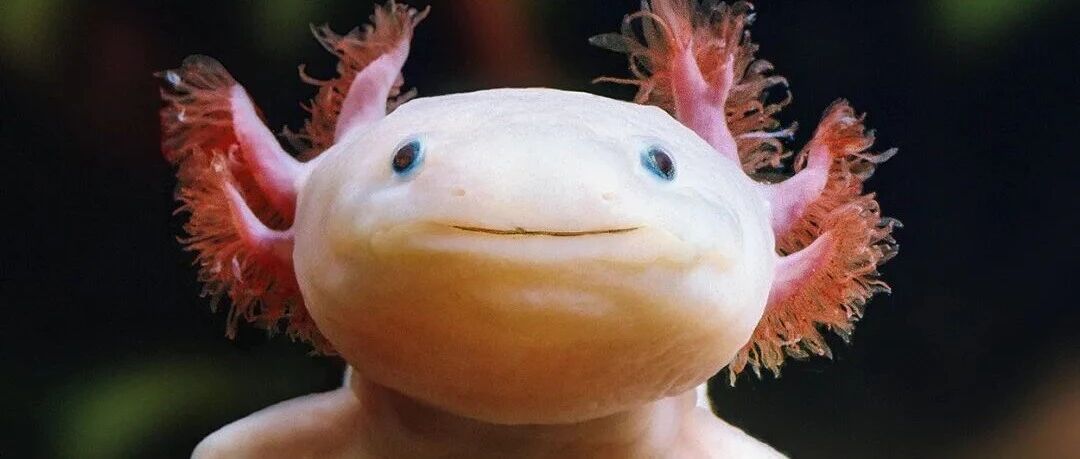
Core Findings - The study demonstrates that the axolotl can regenerate its thymus completely after surgical removal, a process that occurs without any remaining thymic tissue [3][7]. - Within 7 days post-surgery, thymic structures begin to reappear, and by 35 days, the regenerated thymus is nearly indistinguishable from a normal thymus in morphology, size, and cellular composition [7]. Functional Recovery - Experiments showed that the regenerated thymus can function normally; after transplantation into other axolotls, fluorescently labeled cells from the regenerated thymus migrated to the host's blood, spleen, and limbs within 3 days [9]. - A year later, it was found that only thymic epithelial cells were from the donor, while all mature lymphocytes originated from the host, indicating that the regenerated thymus can recruit host hematopoietic progenitor cells to develop into functional T cells [9]. Molecular Mechanisms - The regeneration process involves complex cellular signaling, with two key signaling pathways identified: Bone Morphogenetic Protein (BMP) and Midkine (MDK) [10]. - MDK plays a crucial role in the early stages of regeneration, with expression beginning 1-3 days post-injury, prior to the reappearance of thymic epithelial cells [10]. Scientific Significance - This research confirms the complete regenerative capability of lymphoid organs in vertebrates, challenging previous scientific beliefs about the limits of organ regeneration in vertebrates [12]. - Understanding the molecular mechanisms of axolotl thymus regeneration may provide insights for developing therapies to promote thymus regeneration in humans, particularly for patients who have undergone thymectomy due to conditions like myasthenia gravis or cancer [13].